
Citizenship Lawyers in Philadelphia
Achieve your American dream with top Philadelphia citizenship lawyers specializing in naturalization, complex eligibility issues, and interview preparation. Experienced immigration counsel resolves prior immigration discrepancies and criminal record concerns before USCIS adjudications, preventing denials or removal risks. Browse our directory below to schedule an informative case assessment with a qualified local attorney.
Rudnick Immigration Group P.C. - Philadelphia, PA
Law Office of A. Alyce Keshishian - Philadelphia, PA

Douglas Carman Law Office - Philadelphia, PA
Reinherz Law Offices - Philadelphia, PA
Law Office of Kiran Mahal - Philadelphia, PA
Fibi Law Firm - Philadelphia, PA
Law Office of Matthew Archambeault - Philadelphia, PA
Reed Smith LLP - Philadelphia, PA
Law Office of Nadine C. Atkinson-Flowers, Esq LLC - Philadelphia, PA
Spektor, Spektor & Berman, P.C. - Philadelphia, PA

Tran Law Associates - Philadelphia, PA
Immigration 360 Law - Philadelphia, PA
Ferreira Law - Philadelphia, PA
Reed Smith LLP - Philadelphia, PA
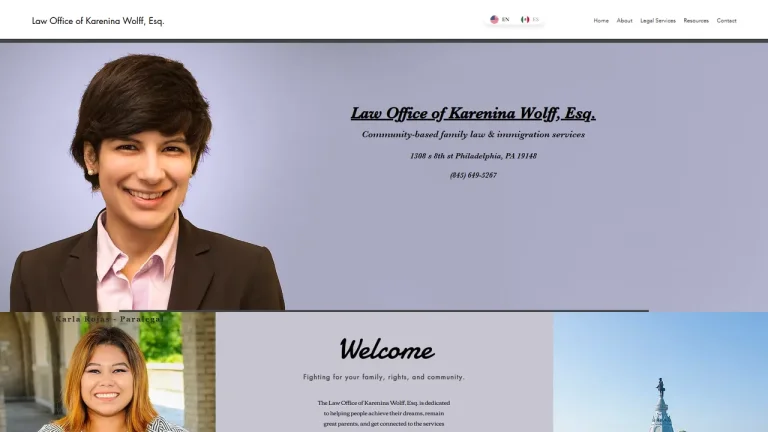
Law Office of Karenina Wolff - Philadelphia, PA
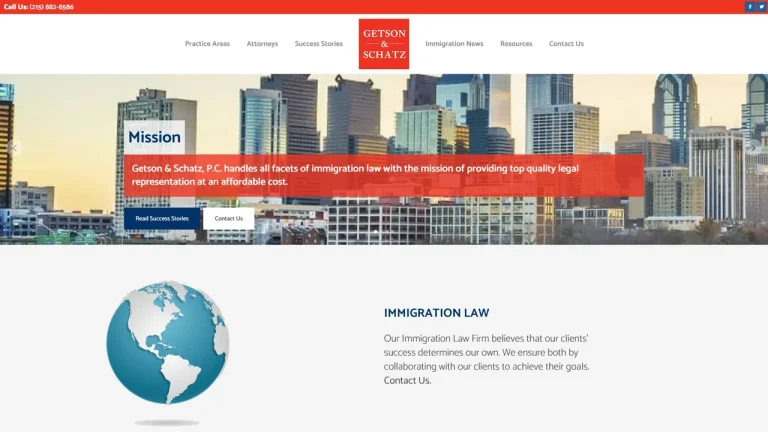
Getson & Schatz PC - Philadelphia, PA
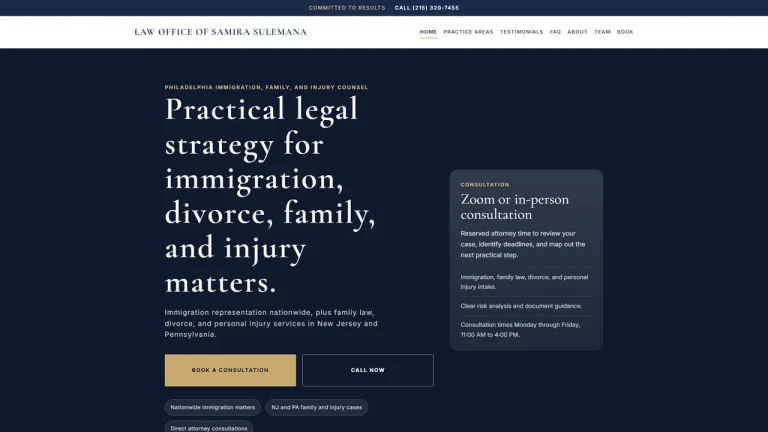
Law Office of Samira Sulemana - Philadelphia, PA
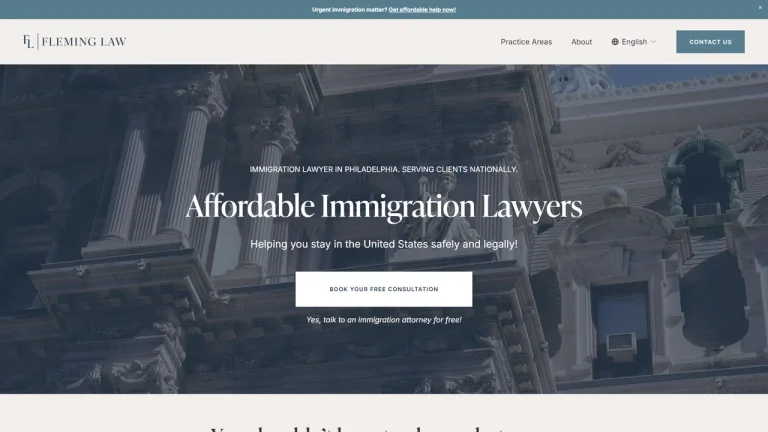
Fleming Law, PLLC. - Philadelphia, PA
The Law Office of Kristine L. Calalang - Philadelphia, PA

Creech and Creech LLC - Philadelphia, PA

Law Offices Of Rizwan M. Khalid - Philadelphia, PA

Law Office of S. Kwok Ling - Philadelphia, PA
Tenberg Law Offices, LLC - Philadelphia, PA
The Naturalization Process in Philadelphia County
Pursuing United States citizenship in Philadelphia involves navigating the regulatory standards of the U.S. Citizenship and Immigration Services (USCIS) Philadelphia Field Office, situated at 30 North 41st Street in University City. Naturalization applicants must undergo background checks, pass English language and civics examinations, and satisfy all statutory eligibility criteria during an in-person adjudicative interview.
While routine naturalization applications may appear procedural, candidates with complicated travel histories, unfiled federal or Philadelphia municipal wage taxes, or prior citations in the Philadelphia Municipal Court face intense administrative scrutiny. An error on Form N-400 or inconsistent testimony can derail citizenship eligibility and potentially jeopardize existing lawful permanent resident status.
From permanent residents across Center City and West Philadelphia to immigrant communities in South Philadelphia and Mayfair, working with local legal counsel ensures your naturalization packet is thoroughly documented. Once approved, naturalization ceremonies are administered through the U.S. District Court for the Eastern District of Pennsylvania, often celebrated at historic sites like the National Constitution Center.
Philadelphia Citizenship & Naturalization Legal Fees
| Case Scenario | Fee Structure | Estimated Cost (USD) | Key Cost Determinants |
|---|---|---|---|
| Standard Form N-400 Naturalization & Interview Prep | Flat Fee | $1,200 - $2,500 | Continuous residence documentation, physical presence analysis, standard application preparation |
| Complex Naturalization (Prior Arrests, Tax Payment Plans) | Flat Fee / Hourly | $2,500 - $5,500 | Certified court dispositions from Philadelphia courts, IRS tax settlement compliance, character evidence |
| N-336 Administrative Appeal for Naturalization Denial | Hourly Retainer / Flat Fee | $3,000 - $6,500 | Review of USCIS denial notice, legal brief submission, supervisory officer hearing attendance |
| N-600 Certificate of Citizenship (Acquisition / Derivation) | Flat Fee | $1,500 - $3,500 | Historical lineage records, parental physical presence proofs, foreign vital statistics verification |
Critical Legal Deadlines & Statutes in Pennsylvania
General naturalization eligibility is codified under 8 U.S. Code § 1427, requiring an applicant to maintain continuous residence as a lawful permanent resident for at least five years, remain physically present in the United States for at least thirty months, and establish residence for at least three months within the jurisdiction of the Philadelphia USCIS Field Office prior to filing.
For permanent residents married to U.S. citizens, the statutory residency requirement is reduced to three years under 8 U.S. Code § 1430, requiring eighteen months of physical presence and joint cohabitation. When an N-400 petition is denied, the applicant must file a Request for a Hearing on a Decision in Naturalization Proceedings (Form N-336) within thirty calendar days of receipt pursuant to 8 C.F.R. § 336.2.
Furthermore, under 8 U.S. Code § 1447(b), if USCIS fails to render an adjudicative decision within 120 days after the applicant completes their naturalization examination, the applicant has the statutory right to petition the U.S. District Court for the Eastern District of Pennsylvania to adjudicate the application or order USCIS to decide the case.
Self-Filing Form N-400 vs. Professional Legal Counsel
The availability of online filing through the USCIS web portal leads many applicants to attempt self-representation. However, submitting Form N-400 without professional review poses considerable risk to individuals with past arrests, child support disputes, or continuous presence breaks exceeding six months. Naturalization adjudications reopen your entire immigration history, meaning unresolved fraud allegations or unverified entries can trigger removal proceedings.
A knowledgeable Philadelphia citizenship attorney verifies that you satisfy the statutory definition of good moral character under 8 U.S. Code § 1101(f). Counsel obtains certified dispositions from the Philadelphia Court of Common Pleas, assists in establishing tax compliance with both federal and Pennsylvania authorities, and attends the naturalization interview at 30 North 41st Street to protect against inappropriate questioning or administrative errors.
Red Flags When Selecting a Philadelphia Citizenship Lawyer
- Unlicensed notarios or multi-service agencies that offer legal advice or charge fees to prepare citizenship forms without valid Pennsylvania Bar licensure.
- Attorneys who guarantee citizenship approval without reviewing prior immigration files, FBI background checks, or certified arrest records.
- Law firms that refuse to include in-person attorney attendance at the USCIS Philadelphia Field Office interview within their representation contract.
- Vague retainer terms that omit additional fees for responding to USCIS Requests for Evidence (RFEs) or filing mandatory administrative appeals.
Frequently Asked Questions
Where do USCIS citizenship interviews take place in Philadelphia?
USCIS naturalization interviews and examinations for Philadelphia County residents are conducted at the USCIS Philadelphia Field Office, located at 30 North 41st Street, Philadelphia, PA 19104.
Can I apply for citizenship if I have a criminal arrest record in Philadelphia?
Having an arrest on your record does not automatically disqualify you, but USCIS requires certified copies of all police and court dispositions from the Philadelphia courts. Certain aggravated offenses impose permanent statutory bars to naturalization, making legal evaluation essential before submitting Form N-400.
What recourse do I have if USCIS delays my naturalization decision?
Under 8 U.S. Code § 1447(b), if USCIS fails to make a determination within 120 days following your naturalization interview, you may file a lawsuit in the U.S. District Court for the Eastern District of Pennsylvania, asking a federal judge to decide your petition.
Do I need to pay back taxes before applying for citizenship in Philadelphia?
Yes, failure to file taxes or pay overdue federal, state, or municipal obligations, including Philadelphia Wage Taxes, directly impairs your ability to establish good moral character under 8 U.S. Code § 1101(f) unless you have an approved installment agreement and can show consistent payments.
Can children automatically acquire citizenship when parents naturalize?
Under the Child Citizenship Act codified at 8 U.S. Code § 1431, unmarried lawful permanent resident children under 18 automatically acquire citizenship when at least one biological or adoptive parent naturalizes, provided the child resides in the U.S. in the legal and physical custody of the citizen parent.