
Federal Agencies in Massachusetts
Navigating federal agency offices in Massachusetts requires understanding strict administrative protocols across regional headquarters and field branches located throughout the Commonwealth. Many citizen inquiries, routine filings, and public records requests can be initiated directly through established administrative channels. Explore our comprehensive directory below to locate verified contact details, security protocols, and official filing guidelines for federal entities across Massachusetts.

USDA Food and Nutrition Service (Northeast Regional Office) - Boston, MA


Army National Guard Recruiting Office - Worcester, MA

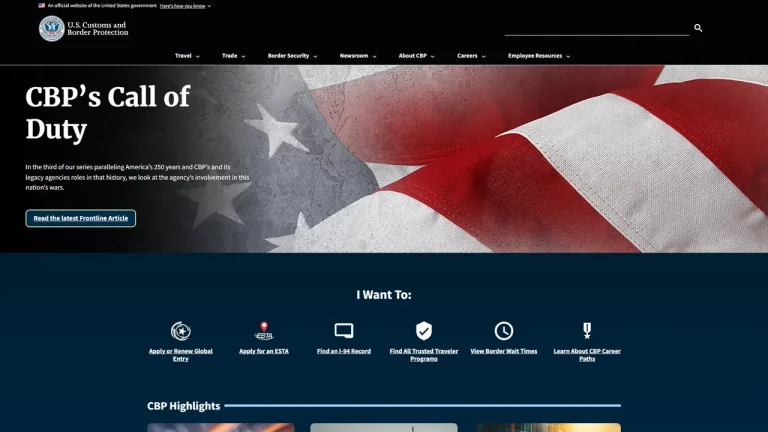
U.S. Customs and Border Protection - Worcester Port of Entry - Worcester, MA
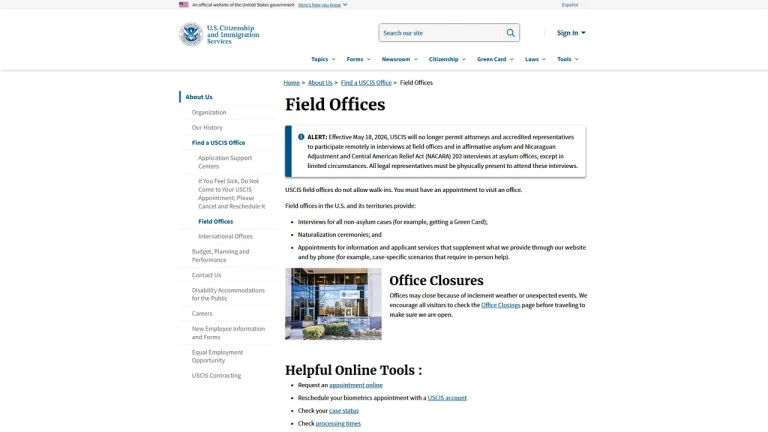


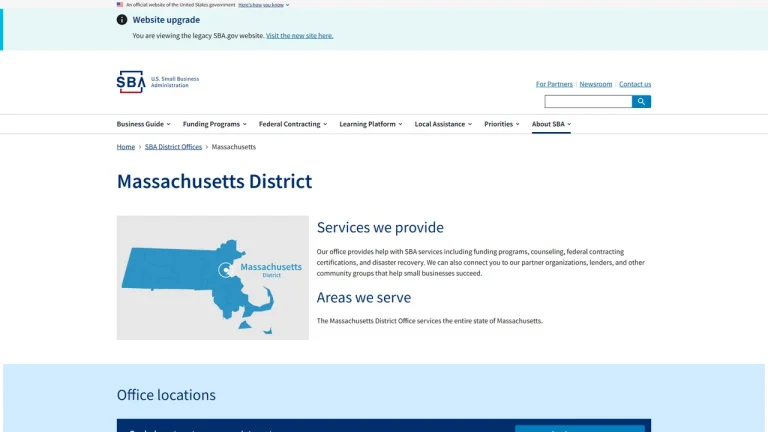
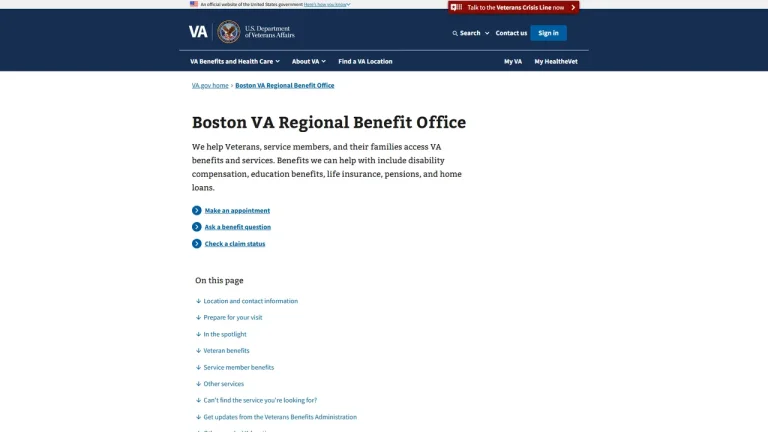
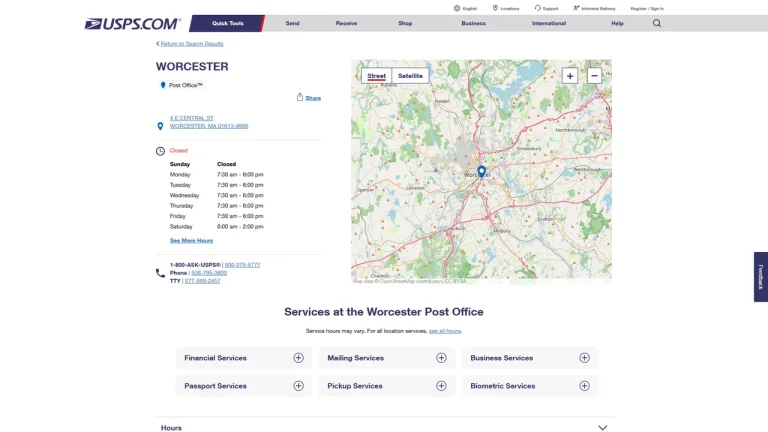
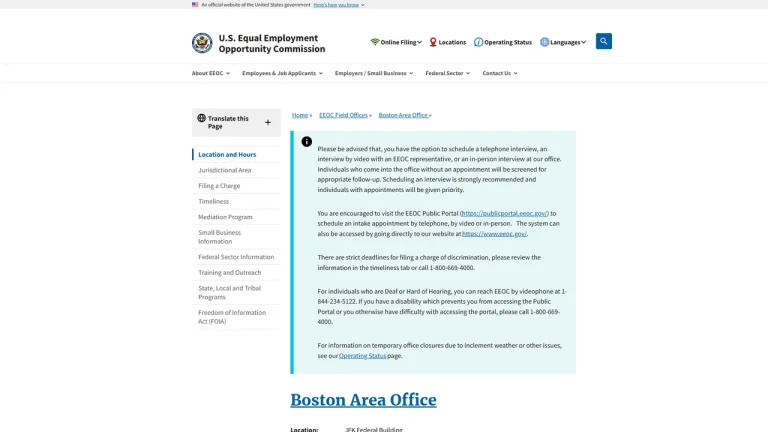
Jurisdictional Framework of Federal Agencies in Massachusetts
Federal administration across the Commonwealth of Massachusetts operates primarily out of Greater Boston, with major regional branches, regulatory field offices, and operational installations extending through Worcester and Springfield. Key federal complexes include the John Joseph Moakley United States Courthouse on Fan Pier, which houses federal judicial chambers and administrative support, along with the John F. Kennedy Federal Building in Boston's Government Center, serving as the central hub for regional operations across New England.
Federal departments oversee distinct statutory mandates entirely separate from Massachusetts state authorities, covering areas such as immigration compliance, federal labor oversight, environmental enforcement, intellectual property, and federal benefit adjudication. The United States District Court for the District of Massachusetts manages federal civil and criminal cases across three formal divisions: the Eastern Division in Boston, the Central Division in Worcester, and the Western Division in Springfield.
Whether filing formal administrative complaints with the Equal Employment Opportunity Commission (EEOC), submitting claims through the Social Security Administration (SSA), or responding to inquiries from regulatory bodies such as the Environmental Protection Agency (EPA) Region 1, individuals must adhere to exacting procedural frameworks. Understanding agency-specific guidelines ensures that statutory deadlines are preserved and federal matters are addressed effectively.
Common Federal Agency Filings & Processing Standards
| Service / Matter | Required Documents / Prerequisites | Statutory Fee (USD) | Processing Timeline |
|---|---|---|---|
| Freedom of Information Act (FOIA) Request | Written request, specific record descriptions, requester category declaration | $0 base fee; duplication fees may apply | 20 business days statutory determination |
| Federal Administrative Tort Claim (SF-95) | Executed Standard Form 95, itemized damages, sum certain statement | $0 statutory filing fee | 6 months agency review period |
| EEOC Employment Discrimination Charge | Detailed charge questionnaire, employer information, factual narrative | $0 filing fee | 180 to 300 calendar days investigation |
| Social Security Administrative Hearing Request | Form HA-501, reconsideration denial notice, updated medical evidence | $0 agency appeal fee | 8 to 14 months to hearing date |
Critical Legal Deadlines & Statutes in Massachusetts
Engaging with federal entities demands strict adherence to immovable statutory windows. Under 5 U.S. Code § 552, federal agencies have an initial statutory requirement of 20 business days to determine whether to comply with a formal records request. When pursuing claims against the federal government for tortious injury or property loss occurring within Massachusetts, claimants must comply with 28 U.S. Code § 2401, presenting an administrative claim on Standard Form 95 within 2 years of accrual.
Workplace discrimination filings with federal oversight are governed by 42 U.S. Code § 2000e-5, which provides an extended 300-day filing window in Massachusetts due to the worksharing agreement with the Massachusetts Commission Against Discrimination (MCAD). For appealing final agency decisions to the federal judiciary, the standard timetable under 28 U.S. Code § 2107 requires filing a notice of appeal within 60 days when the United States, its agency, or an officer is a party.
Direct Federal Agency Access vs. Legal Representation
Many routine matters with federal administrative departments do not necessitate legal representation. Members of the public routinely interact directly with agency staff to track routine retirement benefits, obtain regional passport services at federal buildings, file non-complex FOIA petitions, or confirm regulatory compliance standards. Federal portals and informational windows are organized to handle standard citizen inquiries without formal barriers.
Conversely, legal counsel becomes indispensable when facing adversarial administrative enforcement, targeted compliance audits, or formal adjudicatory hearings before an Administrative Law Judge (ALJ). Retaining an attorney admitted to the bar of the United States District Court for the District of Massachusetts or qualified federal administrative bars is critical when navigating formal grand jury subpoenas, appealing civil rights grievances, or defending against regulatory investigations where legal rights and financial interests are at stake.
Red Flags & Public Interaction Warnings
- Predatory Third-Party Document Services: Avoid independent commercial websites that charge fees to submit standard federal forms, schedule government appointments, or obtain an Employer Identification Number (EIN), all of which are offered without administrative surcharges on official .gov websites.
- Failure to State a Sum Certain: When submitting administrative tort claims under federal rules, omitting a definite, single monetary amount in your claim form constitutes a fatal jurisdictional defect that will invalidate future court filings.
- Unaccredited Administrative Advocates: Ensure any representative handling immigration petitions before the Executive Office for Immigration Review (EOIR) or veteran claims is an actively licensed attorney or a representative formally recognized by the Department of Justice or Veterans Affairs.
- Missing Mandatory Exhaustion Deadlines: Filing a lawsuit in federal court before completing the mandatory administrative review process with the specific agency will result in immediate dismissal for lack of subject-matter jurisdiction.
Frequently Asked Questions
Where are the primary federal administrative offices located in Massachusetts?
Major federal administrative headquarters in Massachusetts are centralized in Boston at the John F. Kennedy Federal Building in Government Center and the Thomas P. O'Neill Jr. Federal Building. Federal court operations and related agencies operate from the John Joseph Moakley United States Courthouse on Fan Pier, with secondary federal facilities located in Worcester and Springfield.
How do I submit an administrative tort claim against a federal agency in Massachusetts?
An administrative tort claim must be submitted using Standard Form 95 (SF-95) directly to the regional office of the specific federal agency whose employee or instrumentality caused the injury or loss. The form must specify an exact monetary figure (sum certain) and be filed within two years of the incident.
What security protocols apply when visiting federal buildings in Massachusetts?
Entry into federal facilities throughout Massachusetts requires presentation of a valid government-issued REAL ID or passport. Visitors must pass through magnetometer screening, and all bags, electronics, and packages are subject to x-ray inspection. Firearms, weapons, and hazardous materials are strictly prohibited on all federal property.
Do federal offices in Massachusetts observe state-specific holidays?
No. Federal agencies follow the official federal holiday calendar established by the United States Office of Personnel Management (OPM). They remain open on Massachusetts state holidays such as Patriots' Day and Juneteenth unless the holiday coincides with an officially designated federal observance.
Can an attorney represent me in proceedings before federal agencies?
Yes. Individuals and corporate entities have the right to be represented by qualified counsel in administrative proceedings, evidentiary hearings, and appellate reviews before federal agencies. Representation requires filing an official notice of appearance, such as Form G-28 for immigration matters or Form SSA-1696 for Social Security appeals.