
Police & Sheriff Departments in Maine
Access verified contact directories, jurisdictional guidelines, and public safety protocols for municipal police and county sheriff departments across Maine. Understanding the operational division between municipal patrol units and county detention centers ensures timely incident reporting and custody verification. Explore our structured directory below to connect directly with law enforcement agencies in all 16 Maine counties.

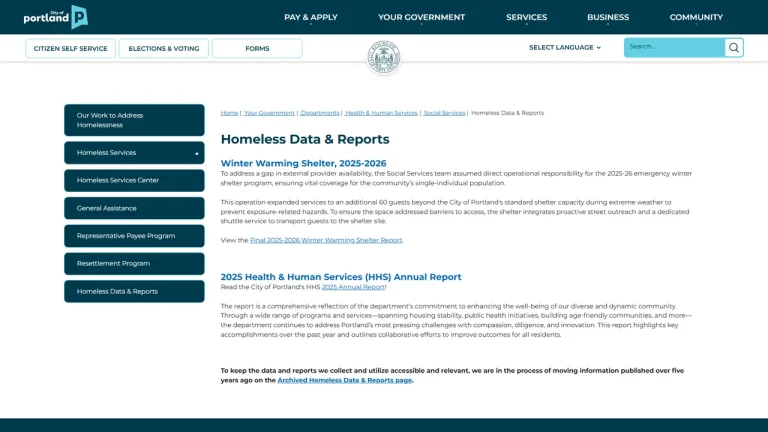
Portland Police Department Property and Evidence Unit - Portland, ME





Local Policing and County Sheriff Jurisdictions Across Maine
Local law enforcement in Maine operates across 16 counties through a coordinated structure divided between municipal police departments and elected county sheriffs. In organized municipalities such as Portland, Lewiston, Bangor, South Portland, and Auburn, city police forces maintain primary patrol jurisdiction, respond to emergency 911 dispatches, and conduct criminal investigations under municipal authority and state statutes.
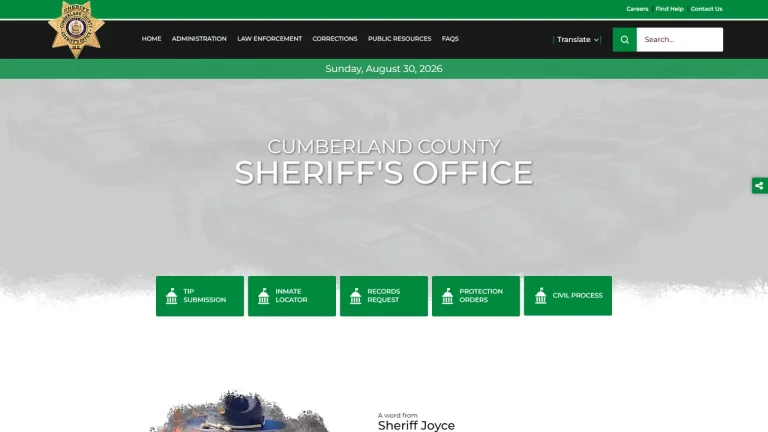
In unincorporated territories, rural plantations, and towns that do not maintain municipal police forces, the elected County Sheriff serves as the primary law enforcement authority pursuant to 30-A M.R.S. § 401. County sheriff offices-including the Cumberland County Sheriff Office in Portland, the York County Sheriff Office in Alfred, and the Penobscot County Sheriff Office in Bangor-also manage civil process service and deliver judicial warrants.
Furthermore, Maine county sheriffs maintain statutory responsibility for operating county adult detention centers under 30-A M.R.S. § 1501. Facilities such as the Cumberland County Jail, York County Jail, and regional facilities like Two Bridges Regional Jail in Wiscasset house pretrial arrestees, hold probation detainees, and execute sentences of nine months or less.
Local Law Enforcement Services, Document Requests, and Processing Timelines
| Service / Matter | Required Documents / Prerequisites | Statutory Fee (USD) | Processing Timeline |
|---|---|---|---|
| Police Incident & Crash Report | Date, time, location, case incident number, valid government photo ID | $10 - $20 administrative copy fee | 5 to 10 business days |
| County Jail Inmate Custody & Bail Status | Inmate legal name, date of birth, or county jail booking identification number | $0 (Free public statutory access) | Immediate online lookup or telephone verification |
| Maine Freedom of Access Act (FOAA) Request | Written records request to agency custodian, specific document identification | $0 base request fee (statutory search/copy fees apply) | Acknowledgment within 5 working days |
| Bail Commissioner Processing & Release | Government photo ID, cash bail or approved personal recognizance agreement | $60 statutory Bail Commissioner fee | 2 to 4 hours following commissioner review |
Critical Legal Deadlines & Statutes in Maine
Individuals interacting with local law enforcement in Maine must adhere to strict procedural timeframes. Following a warrantless arrest, an individual must be brought before a judge of the Maine District Court or Unified Criminal Docket without unnecessary delay under Me. R. U. Crim. P. 5, typically within 48 hours excluding weekends and judicial holidays, for an initial appearance and formal bail determination.
Pretrial release in Maine is governed by the Maine Bail Code codified at 15 M.R.S. § 1001 et seq. Under 15 M.R.S. § 1023, independent judicial officers known as Bail Commissioners set pre-conviction bail conditions directly at the holding facility. If an individual cannot satisfy the commissioner bail conditions, they are entitled to an expedited judicial review before a judge at the next available court session.
Public records inquiries submitted to local police or sheriff departments are governed by the Maine Freedom of Access Act. Under 1 M.R.S. § 408-A, a public law enforcement agency must acknowledge receipt of a records request within five working days and provide an estimated timeline for document retrieval. Furthermore, under the Maine Tort Claims Act, codified at 14 M.R.S. § 8107, any notice of claim seeking damages against a county sheriff office or municipal police department must be served within 365 days after the incident occurred.
Direct Citizen Access vs. Retaining Criminal Defense Counsel
Citizens can independently handle routine administrative interactions with Maine police and sheriff departments. Obtaining copies of completed motor vehicle crash reports, verifying the custody status of an individual through public jail rosters, requesting non-confidential departmental policies under FOAA, or paying statutory bail fees to a bail commissioner can be executed directly without legal representation.
However, when an individual is taken into custody, questioned by detectives, or formally charged with a misdemeanor or felony under the Unified Criminal Docket, retaining an attorney admitted to the Maine State Bar is crucial. Maine does not utilize private commercial bail bondsmen; release relies on cash deposits or statutory personal recognizance. A criminal defense lawyer petitions the District or Superior Court for an immediate bail amendment under 15 M.R.S. § 1028, evaluates the lawfulness of searches under the Maine Constitution, and represents the accused during preliminary hearings and plea negotiations.
Red Flags, Imposter Scams, and Local Law Enforcement Warnings
- Beware of phone callers impersonating Maine county sheriffs or municipal officers demanding immediate payments via digital cash apps, prepaid cards, or wire transfers to cancel an arrest warrant; genuine law enforcement agencies in Maine never solicit funds or fine payments by telephone.
- Do not fall for third-party commercial bail bondsmen advertisements targeting Maine residents; Maine does not utilize commercial bail bonding systems, and pre-trial release is handled strictly through court-appointed bail commissioners under 15 M.R.S. § 1023.
- Avoid unverified commercial lookup platforms charging monthly subscription fees to view county jail rosters; public custody verification is free of charge directly through official Maine county sheriff portals.
- Remember that telephone conversations and non-legal video visits within Maine county jails are electronically monitored and recorded; only properly registered communications with licensed legal counsel are protected by attorney-client privilege.
Frequently Asked Questions
What is the difference between a Maine County Sheriff and a municipal police department?
Municipal police departments provide community policing within incorporated cities and towns, whereas elected County Sheriffs operate county adult detention centers, deliver civil court process, and provide law enforcement patrol in rural unincorporated areas.
How does the bail system work in Maine without commercial bail bondsmen?
Under the Maine Bail Code, independent court-appointed Bail Commissioners establish bail directly at the jail, allowing defendants to be released on personal recognizance or cash deposit upon paying a statutory $60 commissioner fee.
What is the statutory response deadline for a police records request under the Maine FOAA?
Under Maine Freedom of Access Act (1 M.R.S. § 408-A), law enforcement agencies must acknowledge receipt of a public records request within five working days and provide an estimated completion timeline.
How quickly must an arrested person appear before a judge in Maine?
Under Maine Unified Criminal Docket rules, a person arrested without a warrant who remains in custody must be presented before a judge without unnecessary delay, typically within 48 hours excluding weekends and court holidays.
How do I locate an inmate currently held in a Maine county jail?
You can locate an inmate by searching the online inmate roster maintained on the official website of the specific County Sheriff Office operating the detention facility or by contacting the county jail intake division directly.