
Business Filing & Licensing in Maryland
Maryland business registration and statutory licensing require navigating state agencies to maintain corporate good standing and regulatory compliance. Accessing certified entity records and official filing portals ensures seamless operational authority statewide. Browse our directory below to locate the appropriate state departments, licensing boards, and registration offices.
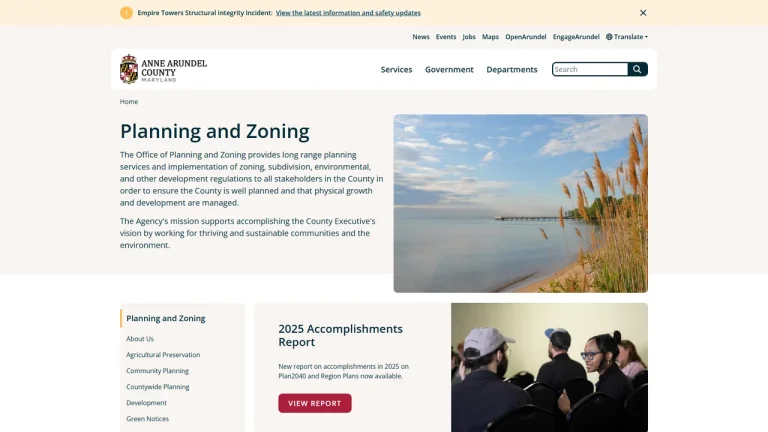
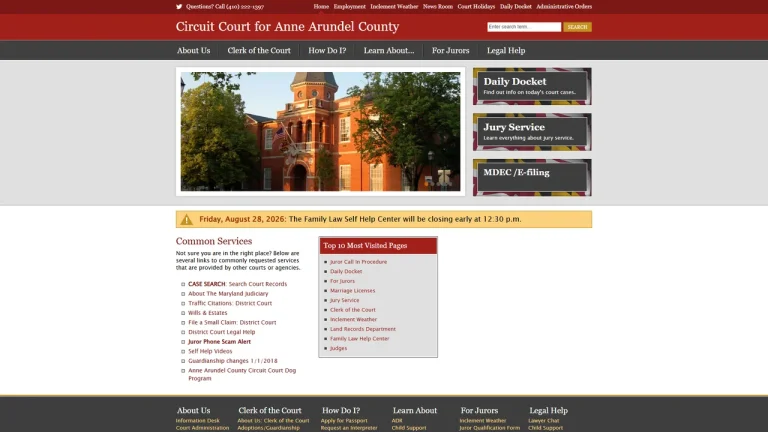
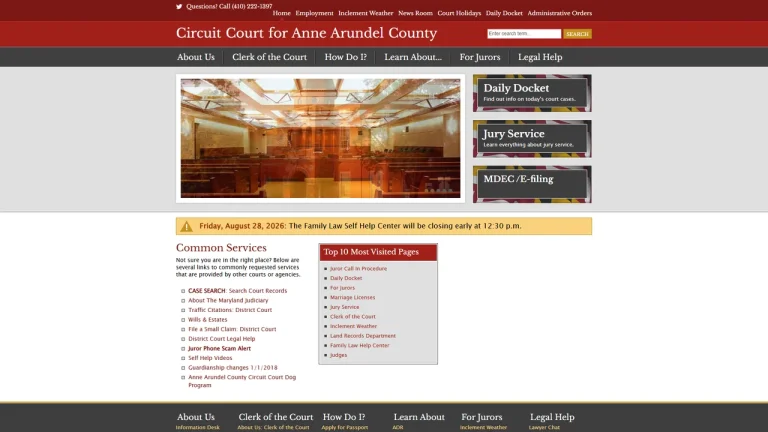
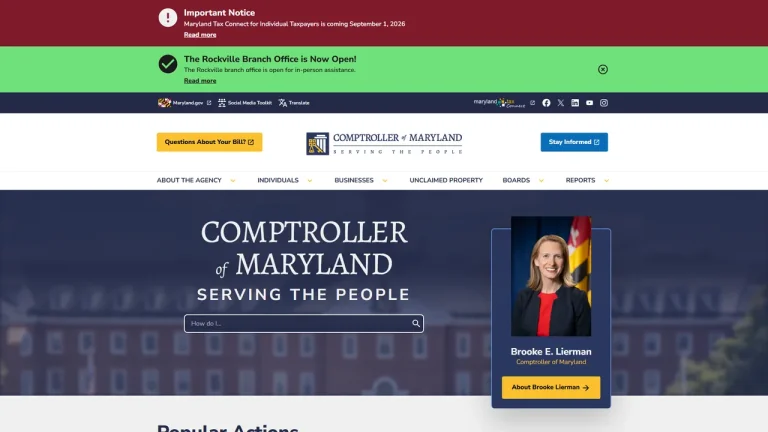
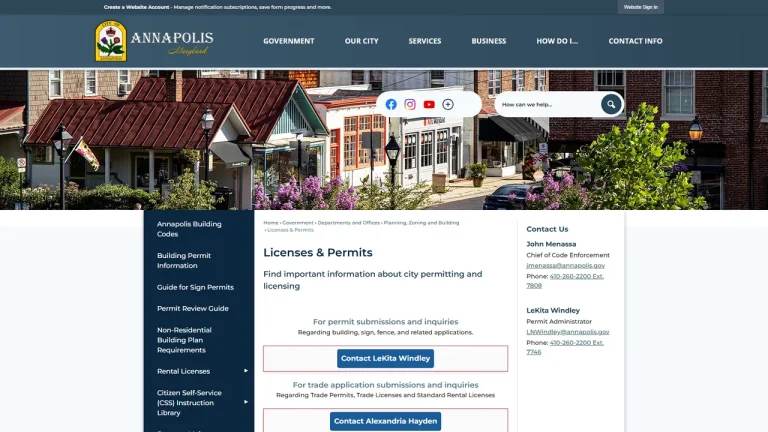

Board of License Commissioners for Anne Arundel County - Annapolis, MD
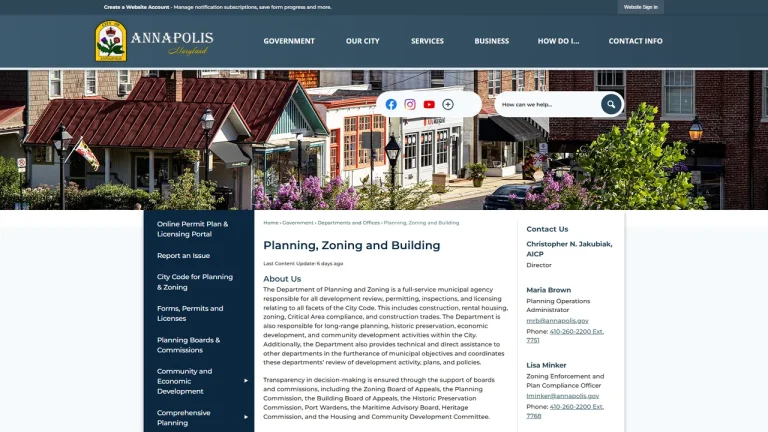

Maryland Business Formation and Regulatory Governance
Forming and maintaining a lawful business entity in Maryland requires direct engagement with the state centralized administrative bodies headquartered in Baltimore and Annapolis. The primary regulatory authority over corporate charters is the Maryland State Department of Assessments and Taxation, which processes entity registrations, oversees resident agent certifications, and evaluates personal property assessments. Whether establishing a limited liability company, forming a commercial corporation, or registering a foreign entity, organizations must submit statutory formation filings through the Maryland Business Express electronic portal or official state repositories.
Operational compliance extends beyond initial charter registration into multi-layered licensing structures administered by state agencies and local jurisdictions. The Maryland Department of Labor oversees occupational and professional licensing boards, while commercial retail operations must coordinate with the Comptroller of Maryland for sales and use tax licensing. Concurrently, localized permits and county-level trader licenses are managed through the Clerks of the Circuit Court across all twenty-four jurisdictions, from Montgomery and Prince George counties to Baltimore City and Anne Arundel County.
Maintaining active corporate good standing safeguards the liability shield of business principals and preserves the legal right to enforce contracts and maintain judicial standing in Maryland courts. Administrative forfeiture resulting from delinquent annual reporting or non-compliance exposes enterprise leaders to statutory penalties, potential personal exposure, and operational disruptions under Maryland corporate law.
Statutory Filing Fees and Processing Timelines
| Service / Matter | Required Documents / Prerequisites | Statutory Fee (USD) | Processing Timeline |
|---|---|---|---|
| Articles of Organization (LLC) | Formed charter document, registered agent consent, principal office address | $100 base statutory fee + $50 online expedited fee | 7-10 business days standard; within 3 business days expedited |
| Annual Report & Personal Property Return | SDAT identification number, gross revenue, personal property valuation | $300 statutory filing fee ($0 if no personal property and under threshold) | Filed annually by April 15; processed immediately online |
| Certificate of Status (Good Standing) | Active entity account, zero delinquent annual reports | $20 standard / $40 expedited electronic copy | Immediate electronic delivery via Maryland Business Express |
| County Trader's / Retail Business License | Zoning approval, state tax registration, inventory valuation | $15 to $800+ based on localized inventory assessments | 5-14 business days through local Circuit Court Clerk |
Critical Legal Deadlines & Statutes in Maryland
Corporate compliance in Maryland is governed by strict statutory filing calendars that dictate an entity legal existence and operational standing. The most crucial annual filing deadline is the mandatory Maryland Annual Report and Business Personal Property Return, codified under Md. Code Ann., Tax-Prop. § 11-101. Every business entity formed, qualified, or registered in Maryland must submit this filing by April 15 each year to the Department of Assessments and Taxation, though entities may file for a 60-day filing extension through the state online portal prior to the deadline.
Failing to fulfill annual reporting duties leads directly to administrative charter forfeiture under Md. Code Ann., Corps. & Ass'ns § 3-503. When an entity is forfeited, its right to conduct business and initiate legal proceedings in Maryland state courts is extinguished. To revive a forfeited charter, business owners must satisfy all delinquent reports, resolve outstanding tax assessments, and submit formal Articles of Reinstatement pursuant to Md. Code Ann., Corps. & Ass'ns § 1-203.
Commercial licensing and occupational certifications fall under the oversight of Md. Code Ann., Bus. Reg. § 2-101. Operational licenses must be renewed biennially or annually depending on the specific trade board. In professional sectors, practitioners must adhere to regulatory continuing education timelines to avoid license suspension under Maryland Department of Labor administrative standards.
Direct Agency Access vs. Retaining Legal Counsel
Entrepreneurs and business operators can manage standard ministerial filings directly through official state resources. Securing basic certificates of status, downloading standard organizational forms, registering basic trade names, and submitting annual personal property reports can be handled without legal representation using the Maryland Business Express system. When business operations involve single-member setups with standard statutory language, direct self-service administrative filing is efficient and cost-effective.
Conversely, retaining legal counsel is essential when structuring customized multi-member operating agreements, establishing complex corporate voting rights, navigating cross-border tax issues, or resolving administrative enforcement actions. If an enterprise faces contested charter forfeiture, complex regulatory licensing hearings before the Maryland Office of Administrative Hearings, or intellectual property disputes, commercial legal counsel ensures the entity interests and assets remain fully shielded under Maryland statutory frameworks.
Common Red Flags & Filing Warnings
- Beware of misleading direct-mail solicitations from deceptive corporate compliance companies demanding inflated fees for mandatory minutes or certificates that are entirely optional or non-existent under state rules.
- Avoid third-party processing websites that impose excessive markups above statutory state filing fees without providing direct verification through the Department of Assessments and Taxation.
- Reject unsolicited emails or telephone communications claiming to be the Comptroller of Maryland or SDAT requesting immediate credit card payments to avert immediate business dissolution.
- Never conduct commercial operations under an unverified fictitious business name before completing a statutory name availability check and formal trade name recordation with state registries.
Frequently Asked Questions
Where do I register a new business entity in Maryland?
New business entities, including limited liability companies and corporations, are registered through the Maryland State Department of Assessments and Taxation. Filings can be submitted electronically using the Maryland Business Express portal or mailed directly to the agency headquarters in Baltimore.
What happens if an entity misses the April 15 annual report deadline?
Missing the mandatory April 15 deadline without an approved extension results in late penalties and leads to administrative charter forfeiture under state law. A forfeited business loses the legal capacity to file lawsuits or execute contracts in Maryland courts until formal reinstatement is approved.
What is the difference between an SDAT registration and a county business license?
SDAT registration creates the legal structure of your business at the state level. A county business license, such as a Trader License issued through the local Circuit Court Clerk, authorizes specific commercial retail operations within that localized county jurisdiction.
How do I verify if a Maryland business is in good standing?
Business status can be verified online through the Maryland Business Express public search database. An official Certificate of Status certifying that the entity has filed all required reports and paid all statutory fees can be purchased and downloaded immediately.
Do I need a commercial attorney to file organizational documents in Maryland?
While Maryland law permits individuals to submit formation charters directly, retaining an attorney is strongly recommended for multi-member entities, complex share distributions, customized governance structures, and highly regulated industries.