
Legal Resources in Maryland
Accessing verified Maryland legal resources connects citizens with official state courts, county detention facilities, clerk offices, and public vital records. Understanding public access procedures enables residents to navigate agency filings, public records requests, and court schedules efficiently. Explore our comprehensive directory below to locate verified contact details, operational hours, and procedural guidelines for Maryland government institutions.




MSDE Division of Rehabilitation Services - Annapolis, MD


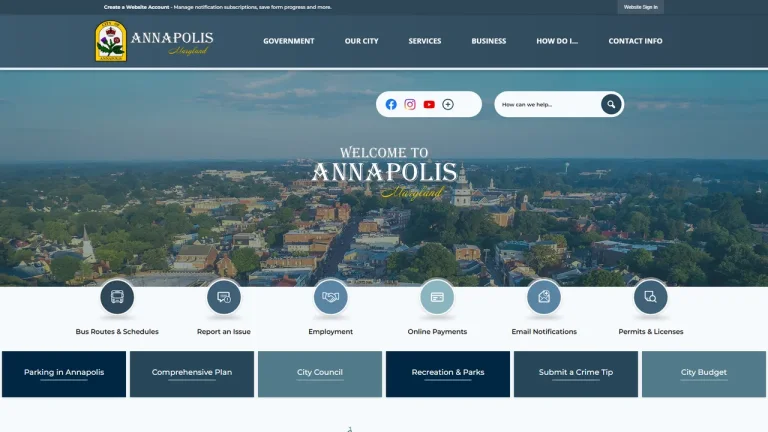

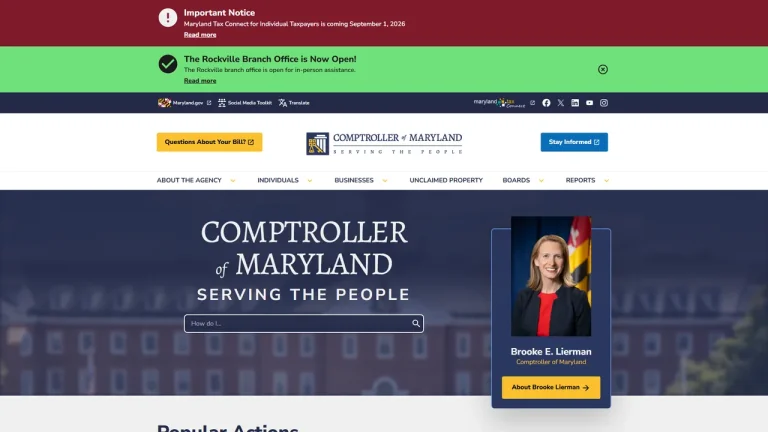
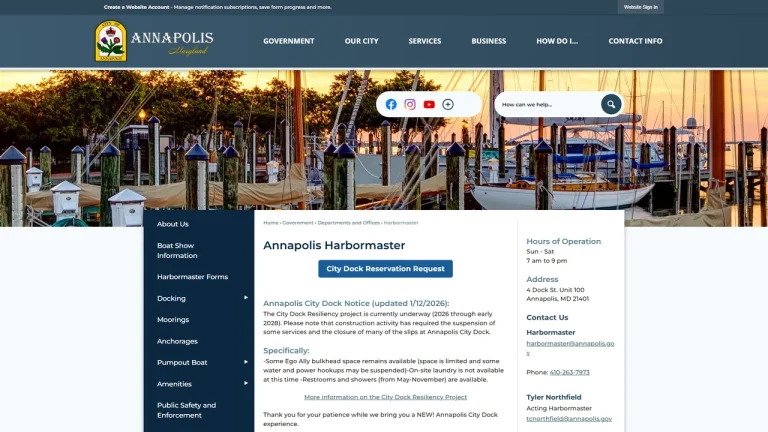
The Architecture of Maryland Public Legal and Government Institutions
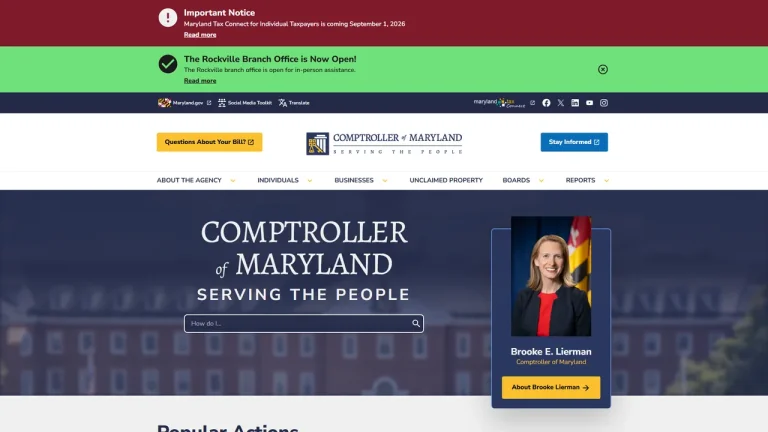
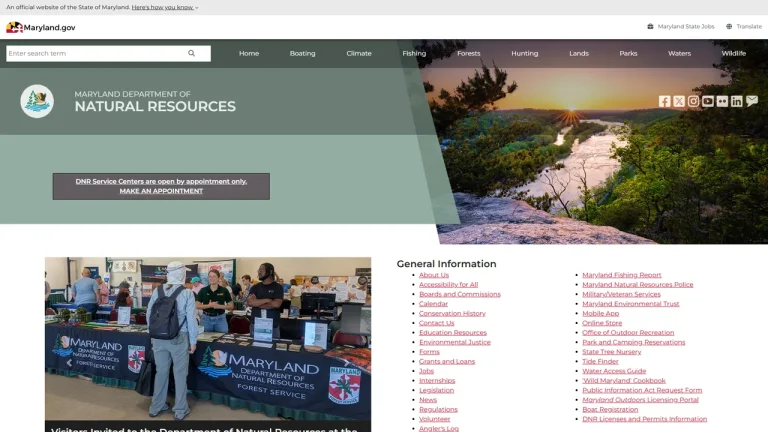
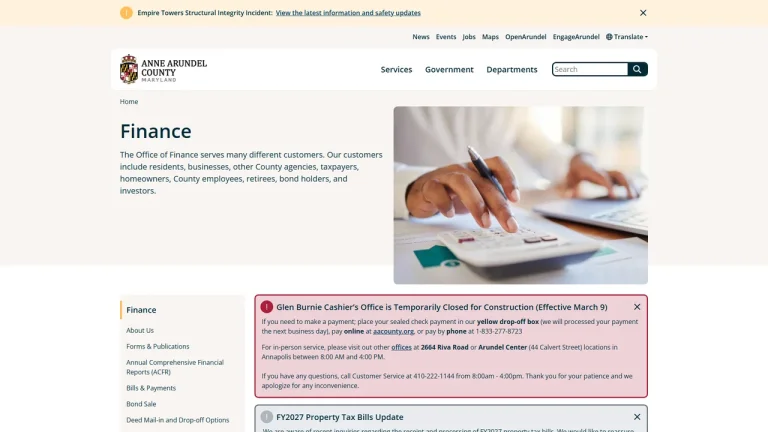
The Maryland state government provides an integrated framework of administrative and judicial agencies dedicated to ensuring public justice, record integrity, and statutory compliance. From the State Capitol complex in Annapolis to local governmental centers across twenty-three counties and Baltimore City, citizens interact with public bodies for court hearings, deed recordings, and essential document issuances. Navigating these public legal resources effectively requires a clear understanding of the respective duties performed by county courthouses, law enforcement agencies, and administrative bureaus.
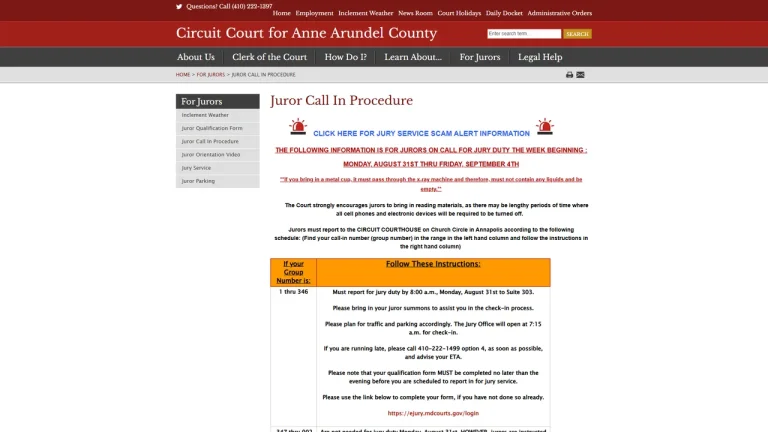
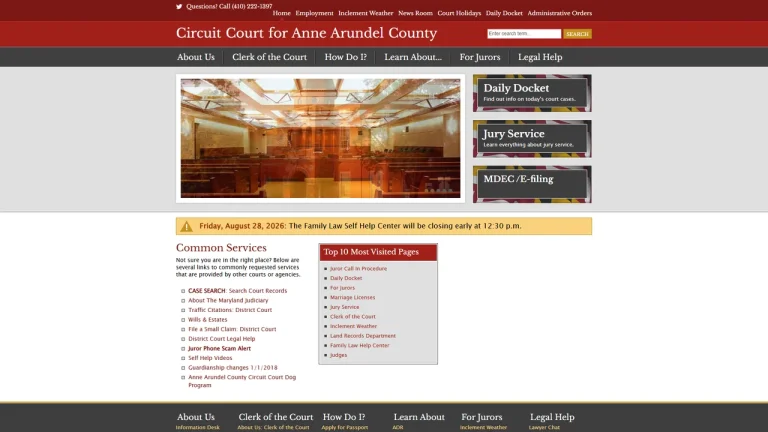
The Maryland Judiciary operates as a unified state court system headed by the Supreme Court of Maryland in Annapolis, supported by the Appellate Court of Maryland and trial-level courts. General trial jurisdiction rests with the Maryland Circuit Courts, which oversee major civil suits, felonies, and family disputes across jurisdictions such as the Baltimore City Circuit Court, Montgomery County Circuit Court in Rockville, and Prince George's County Circuit Court in Upper Marlboro. Meanwhile, the District Court of Maryland maintains local divisions handling misdemeanors, traffic citations, landlord-tenant disputes, and preliminary criminal hearings statewide.
Public custody and rehabilitative institutions are administered at two distinct levels: county detention centers managed by elected County Sheriffs or local departments of correction for pretrial detainees, and state prisons overseen by the Maryland Department of Public Safety and Correctional Services. In addition, public registries such as the Maryland Department of Health Division of Vital Records in Baltimore and the Motor Vehicle Administration provide statutory document certifications and licensing services.
Statutory Fees and Service Timelines for Maryland Public Legal Services
| Service / Matter | Required Documents / Prerequisites | Statutory Fee (USD) | Processing Timeline |
|---|---|---|---|
| Certified Birth or Death Certificate Copy | Government-issued photo identification and application on record | $10.00 - $12.00 per certified copy | Same-day in person; 2 - 4 weeks by mail or online |
| Maryland Public Information Act (MPIA) Records Request | Written request detailing identifiable public agency records | Free search (first 2 hours); reproduction fees apply | Up to 30 calendar days statutory response |
| District & Circuit Court Docket Searches & Document Copies | Case caption or tracking number via Maryland Electronic Courts (MDEC) | $0.50 per page plain / $5.00 per document certification | Immediate electronic access; 3 - 5 business days for certified paper copies |
| Judicial Bail Processing & Pretrial Bond Lodgment | Valid photo identification, bail order, and approved surety or cash funds | Variable by court order / standard administrative fee | 2 - 6 hours post-booking verification |
Critical Administrative Deadlines & Statutes in Maryland
Interacting with Maryland public authorities involves mandatory procedural deadlines defined by statutory law. Public record access is governed by the Maryland Public Information Act codified under Md. Code, Gen. Prov. § 4-203, which establishes that a government custodian must grant or deny access to requested public records within thirty calendar days from receiving the application. If the records cannot be provided immediately, the agency must send a written acknowledgment within ten business days detailing estimated retrieval timelines.
When asserting a legal claim against state governmental bodies or agencies for personal injury or property loss, claimants must adhere to the Maryland Tort Claims Act codified at Md. Code, State Gov't § 12-106. A claimant must submit formal written notice of the claim to the Maryland State Treasurer within one year after the injury occurs. For claims against county or municipal subdivisions, the Local Government Tort Claims Act under Md. Code, Cts. & Jud. Proc. § 5-304 requires formal notice within one year. Failure to satisfy these precise administrative notice thresholds permanently extinguishes your right to seek judicial remedies.
Direct Agency Access vs. Retaining Legal Counsel in Maryland
Citizens can navigate numerous Maryland legal resources independently without private legal representation. Routine tasks such as obtaining certified birth or marriage certificates from the Division of Vital Records, searching property ownership through the State Department of Assessments and Taxation, filing public records requests under the MPIA, or paying uncontested traffic violations with the District Court can be completed directly through official state portals.
Conversely, matters involving constitutional liberties or contested judicial proceedings require immediate professional legal counsel. The District Court of Maryland maintains exclusive jurisdiction over civil small claims not exceeding $5,000 pursuant to Md. Code, Cts. & Jud. Proc. § 4-405, where simplified procedural rules allow self-representation. However, for civil claims exceeding this threshold, formal Circuit Court litigation, initial criminal bail reviews before District Court Commissioners, or contested administrative hearings before the Office of Administrative Hearings, retaining a licensed attorney is vital to avoid forfeiture of substantial procedural rights.
Red Flags and Fraud Warnings for Maryland Legal Resources
- Commercial third-party websites mimicking official Maryland Judiciary or MDEC portals to assess inflated convenience charges for freely accessible court dockets.
- Unsolicited correspondence or telephone calls claiming to represent the Maryland Department of Public Safety demanding immediate digital payments or wire transfers for inmate bail.
- Unaccredited private entities charging excessive fees to prepare standard public documents or vital record requests available directly from the Maryland Department of Health.
- Unlicensed bail runners or non-attorney legal advocates operating near county detention centers offering unauthorized legal advice regarding criminal expungements.
Frequently Asked Questions
How can I locate court records and case schedules in Maryland?
Public court records, dockets, and hearing schedules can be accessed electronically through the Maryland Judiciary Case Search portal and the Maryland Electronic Courts (MDEC) system, or in person at the relevant District or Circuit Court clerk office.
How do I request public government documents under the Maryland Public Information Act?
Submit a written request identifying the specific records sought to the designated public information custodian of the respective agency under Md. Code, Gen. Prov. § 4-203, which mandates a response within thirty calendar days.
What is the jurisdictional limit for small claims in the District Court of Maryland?
Under Md. Code, Cts. & Jud. Proc. § 4-405, the District Court of Maryland has exclusive jurisdiction over small claims disputes seeking monetary damages up to $5,000, where simplified rules of procedure apply.
Where can I obtain certified vital records such as birth or death certificates in Maryland?
Certified vital records are issued by the Maryland Department of Health Division of Vital Records in Baltimore or through local county health departments pursuant to Md. Code, Health-Gen. § 4-217 upon submission of valid identification and fee.
What agency manages state-level correctional institutions in Maryland?
State prison facilities and correctional institutions are administered by the Maryland Department of Public Safety and Correctional Services, whereas local detention centers and lockups are operated by individual county sheriffs or county corrections departments.