
Federal Law Enforcement in New York
Access the official guide to federal law enforcement agencies in New York, including the FBI, DEA, and U.S. Marshals across all four federal judicial districts. Understanding jurisdictional remits, public records request protocols, and federal subpoena response procedures protects individual and corporate rights. Review our verified directory below to find official contact information and direct agency resources across New York State.


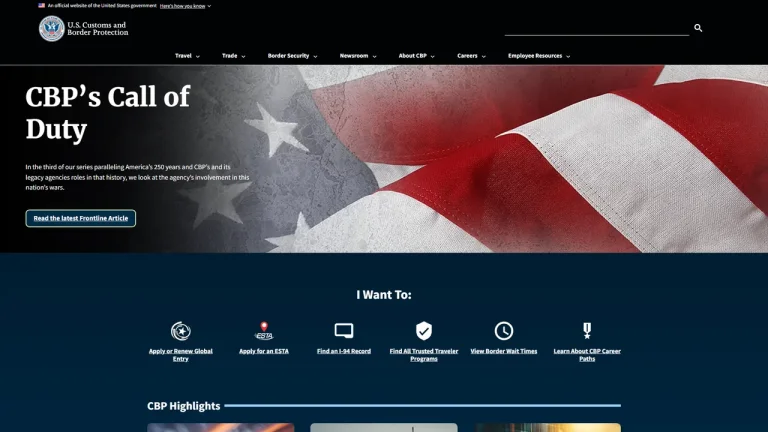

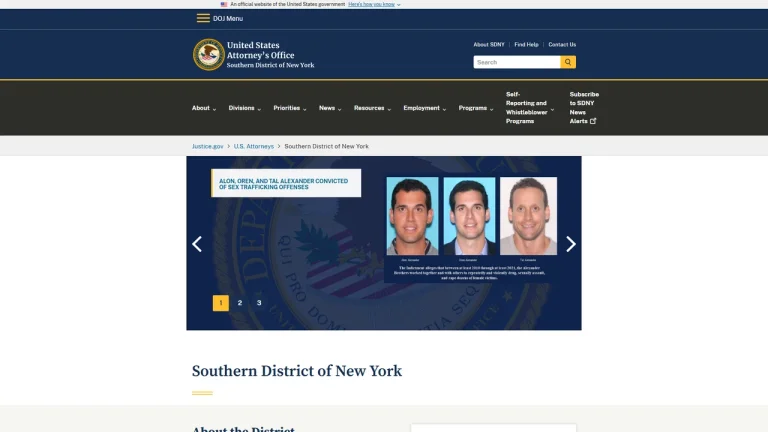


Federal Law Enforcement Operations Across New York State
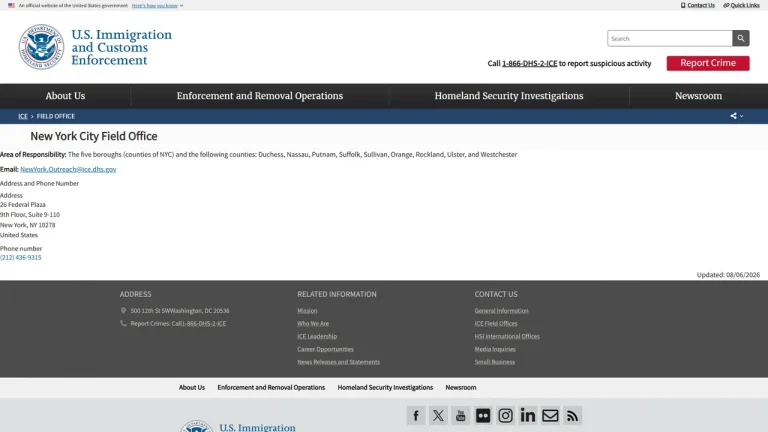
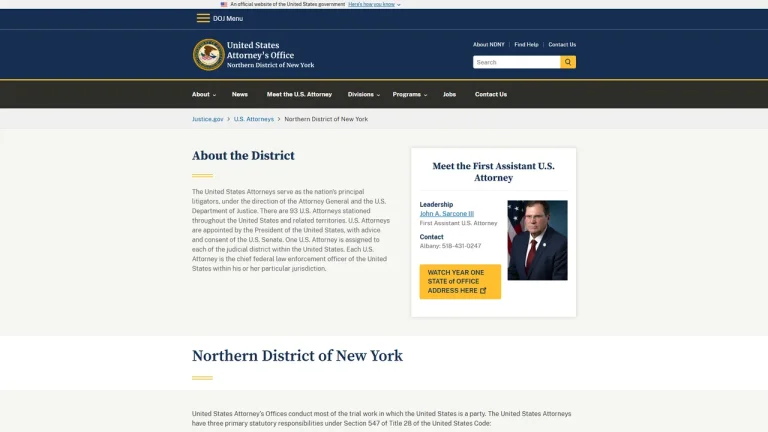
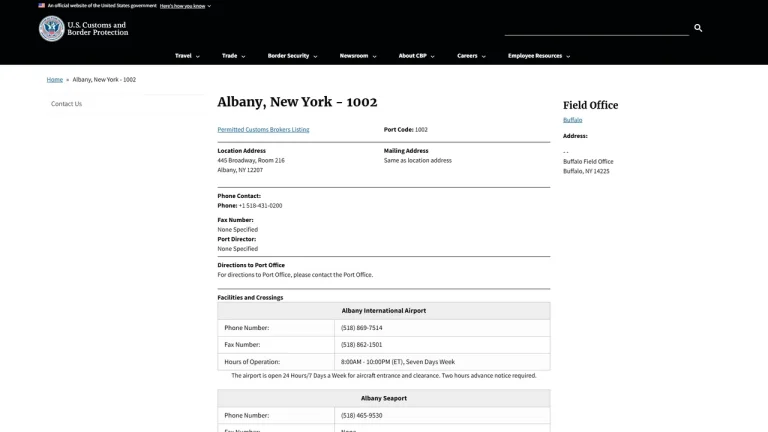
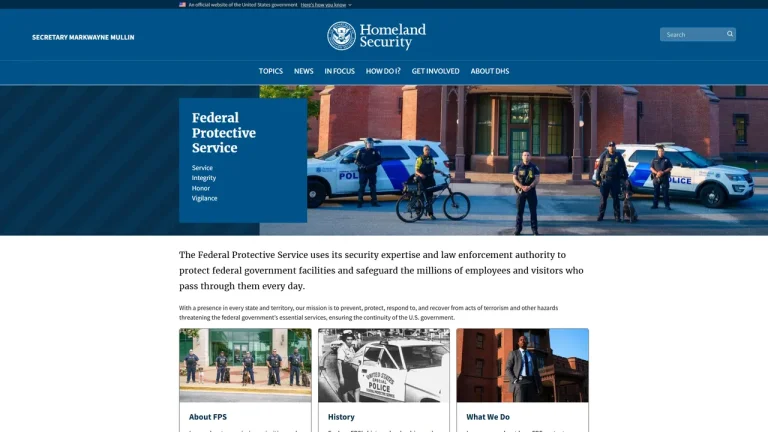
Federal law enforcement operations across the State of New York operate within a vast jurisdictional network coordinated through four distinct federal judicial districts: the Southern District of New York in Manhattan and White Plains, the Eastern District of New York in Brooklyn and Central Islip, the Northern District of New York in Albany and Syracuse, and the Western District of New York in Buffalo and Rochester. Key federal agencies-including the Federal Bureau of Investigation, the Drug Enforcement Administration, Homeland Security Investigations, the Bureau of Alcohol, Tobacco, Firearms and Explosives, and the United States Marshals Service-maintain primary field offices and resident agencies across these regional sectors.
These federal entities enforce criminal and civil statutes enacted by the United States Congress, investigating interstate narcotics distribution, public corruption, white-collar securities fraud, cybercrime, cross-border smuggling along the Canadian border, and federal civil rights violations. Prosecutorial authority is vested in the United States Attorney's Offices for each of New York's four judicial districts. When federal agencies execute search warrants, issue grand jury subpoenas, or effectuate arrests, formal proceedings originate before federal magistrate judges and Article III district judges sitting in federal courthouses across the state.
Navigating an interaction with a federal agency requires understanding the substantial procedural distinction between state and federal criminal investigations. Federal agencies frequently conduct multi-year covert investigations before issuing formal target letters or executing indictments. Members of the public, witnesses, and subpoena recipients must interface through formal administrative channels, public information officers, and designated records intake units to protect their constitutional rights.
Key Federal Services, Administrative Inquiries, and Statutory Timelines
| Service / Matter | Required Documents / Prerequisites | Statutory Fee (USD) | Processing Timeline |
|---|---|---|---|
| Freedom of Information Act (FOIA) Request | Form DOJ-361 (Certification of Identity), written scope request | $0.00 search fee (statutory waivers apply) | 20 business days statutory determination |
| Seized Property & Asset Forfeiture Claim | Verified claim of ownership, CAFRA petition form, proof of interest | $0.00 filing fee (bond waived under CAFRA) | 30 to 90 days agency determination |
| Federal Grand Jury Subpoena Response | Copy of subpoena, formal notice of appearance by legal counsel | Statutory witness fees provided | Return date specified on subpoena |
| FBI Identity History Summary Check | Applicant information form, FD-258 fingerprint card or live-scan | $18.00 statutory fee | 3 to 5 business days electronic |
Critical Legal Deadlines & Statutes in New York
Interactions with federal law enforcement agencies in New York are governed by rigorous procedural timetables established by federal statutes and the Federal Rules of Criminal Procedure. Under the federal Freedom of Information Act, codified at 5 U.S. Code § 552(a)(6)(A)(i), an agency such as the FBI or DEA has 20 business days to make an initial determination regarding a records disclosure request, with a permissible 10-day extension under unusual circumstances pursuant to 5 U.S. Code § 552(a)(6)(B). Requesters challenging an adverse determination must submit an administrative appeal to the agency head within 90 calendar days.
For individuals whose property has been seized by federal authorities, the Civil Asset Forfeiture Reform Act imposes strict deadlines under 18 U.S. Code § 983(a)(2)(B); a formal claim contesting administrative forfeiture must be filed within 30 days after the date of final publication of the notice of seizure, or 35 days from the date personal notice was mailed. Following a warrantless federal arrest in New York, the government must present the accused before a federal magistrate judge without unnecessary delay pursuant to Fed. R. Crim. P. 5(a)(1)(A), typically within 24 to 48 hours. If the defendant is detained, a preliminary examination must be conducted within 14 days under Fed. R. Crim. P. 5.1(c), or within 21 days if the individual is released on bail conditions. Civil claims asserting tortious injury by federal law enforcement officers must be presented administratively within 2 years of accrual under the Federal Tort Claims Act pursuant to 28 U.S. Code § 2401(b).
Direct Agency Access vs. Legal Counsel
Citizens and organization representatives can directly engage with federal law enforcement divisions for routine, non-adversarial administrative functions. Submitting tips regarding national security or federal crimes, filing formal FOIA requests for historical agency records, ordering individual FBI identity history summaries, or requesting the return of non-evidentiary property following an uncontested closure can be handled pro se through official Department of Justice web portals or field office intake counters.
However, when an individual or corporate entity receives a federal grand jury subpoena, a target letter from a United States Attorney's Office, or an inquiry from federal special agents, retaining experienced federal criminal defense counsel is imperative. Federal agents are trained investigators who conduct interviews where any false or misleading statement can be prosecuted as a separate federal felony under 18 U.S. Code § 1001. Qualified defense counsel admitted to practice before the Southern, Eastern, Northern, or Western Districts of New York intervenes to negotiate proffer sessions, quash overly broad subpoenas duces tecum, protect constitutional privileges under the Fifth Amendment, and challenge asset forfeitures in federal district court.
Red Flags & Public Safety Warnings
- Impersonation Phone Scams: Beware of fraudulent telephone calls claiming to originate from the FBI, DEA, or U.S. Marshals demanding immediate wire transfers, gift cards, or cryptocurrency to settle purported federal arrest warrants.
- Commercial FOIA Processing Surcharges: Avoid private commercial websites that charge high processing fees to submit standard federal FOIA requests, which can be filed directly with federal agencies for free under 5 U.S. Code § 552.
- Informal Interviews Without Counsel: Never agree to informal or voluntary interviews with federal special agents after receiving a target letter or subpoena without legal counsel present, as unrepresented statements can be used to secure indictments.
- Misinterpreting Agency Remits: Avoid filing local municipal noise, landlord-tenant, or non-federal consumer complaints with federal law enforcement desks, which lack subject-matter jurisdiction over state civil controversies.
Frequently Asked Questions
What federal judicial districts cover New York State?
New York is divided into four federal judicial districts: the Southern District (SDNY), Eastern District (EDNY), Northern District (NDNY), and Western District (WDNY), each served by a distinct U.S. Attorney's Office.
What should I do if federal agents contact me for an interview?
You have the constitutional right to remain silent and request legal counsel; you should politely decline to answer questions until you consult with an attorney experienced in federal practice.
What is a federal target letter in New York?
A target letter from a United States Attorney's Office officially notifies an individual that substantial evidence links them to a federal crime and that an indictment by a federal grand jury is likely.
How do I submit a FOIA request to the FBI in New York?
FOIA requests can be submitted online through the FBI's eFOIP portal or by mailing a written request with Form DOJ-361 to the Federal Bureau of Investigation Record Information Dissemination Section.
Can federal law enforcement seize personal property without a criminal charge?
Yes, under federal civil asset forfeiture laws, agencies may seize assets alleged to be connected to criminal activity, but owners can contest the seizure under the Civil Asset Forfeiture Reform Act.