
Government Agencies in Connecticut
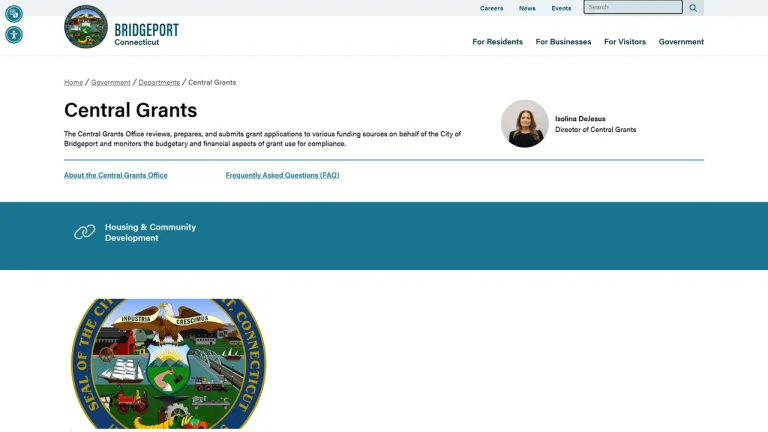
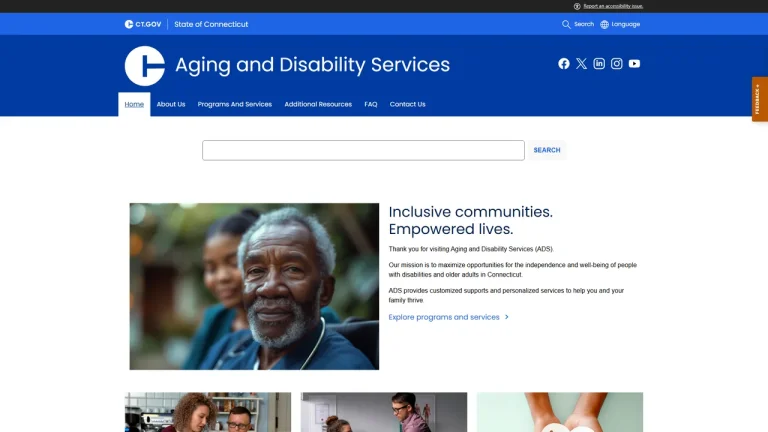
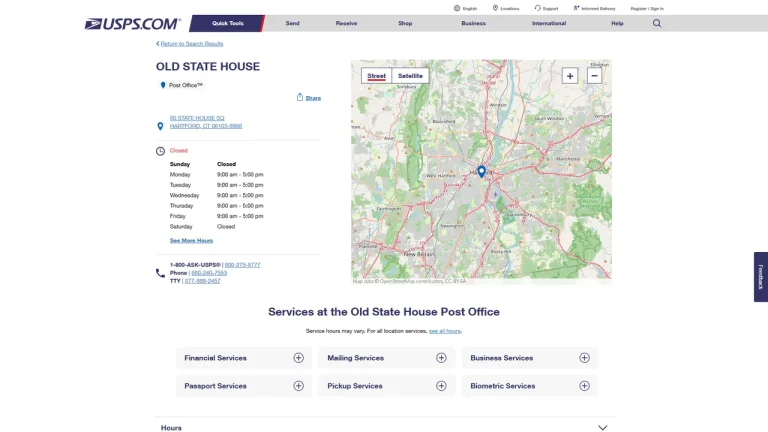
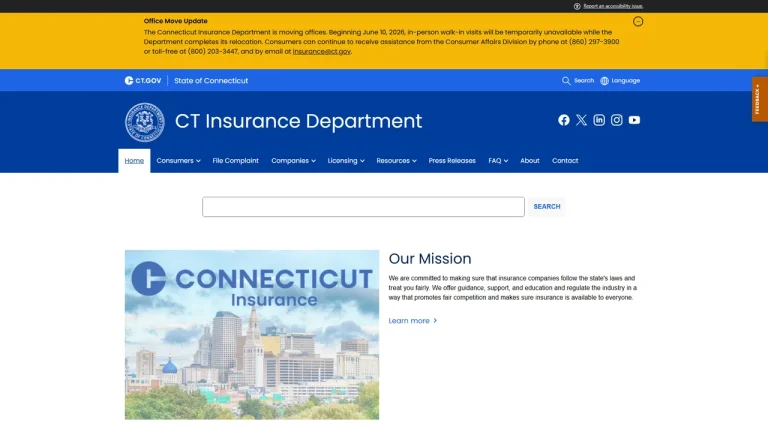
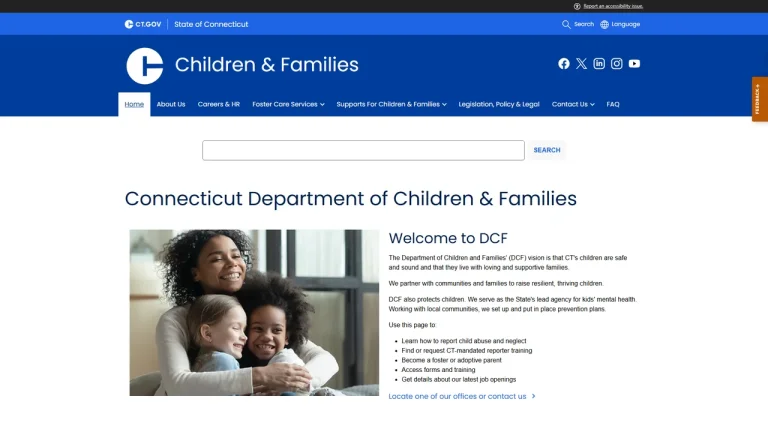
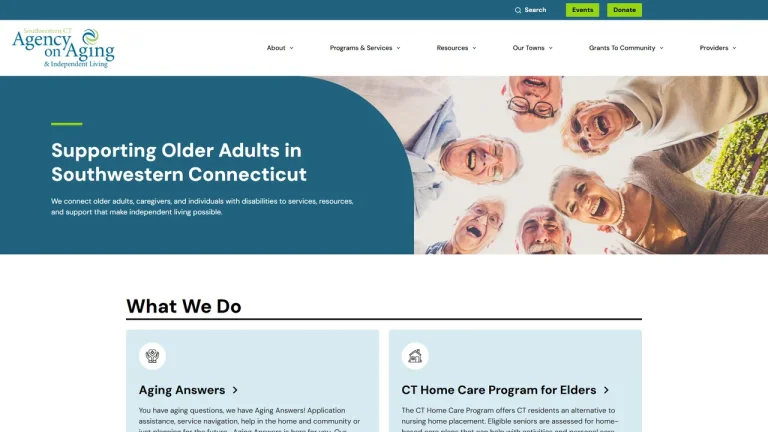
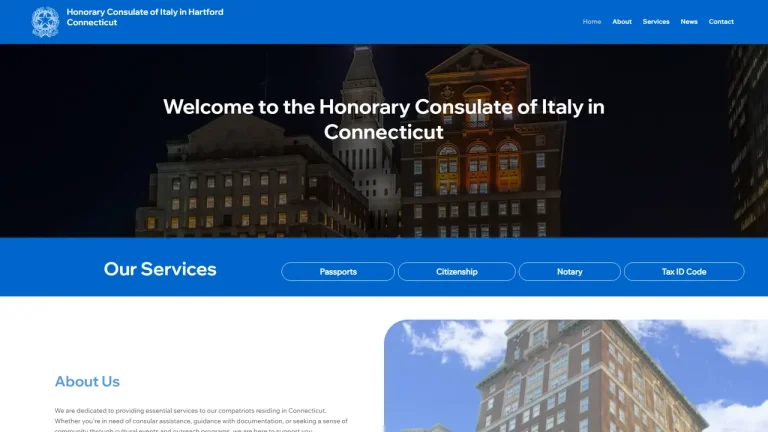
Connecticut state government agencies regulate administrative procedures, professional licensing, and public welfare across Hartford and all regional municipalities. Understanding specific agency filing protocols and administrative review timelines ensures compliance and protects your rights. Explore our statewide agency directory below to connect directly with official Connecticut administrative offices.





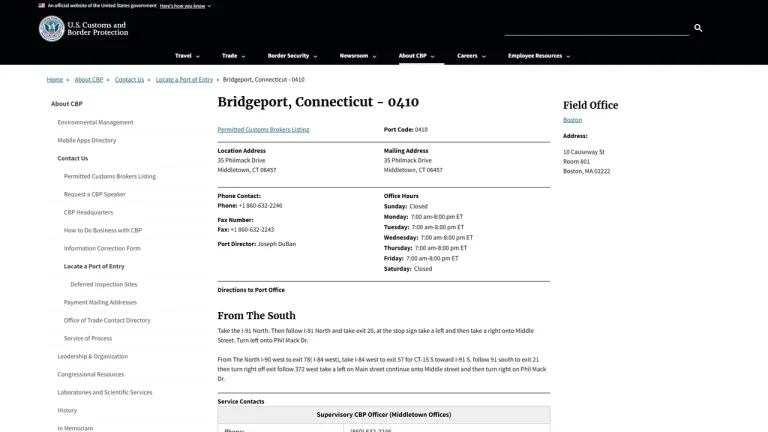
U.S. Customs and Border Protection - Bridgeport Port of Entry - Bridgeport, CT
Navigating Connecticut State Government Agencies and Administrative Jurisdiction
Connecticut executive branch agencies, centralized primarily around the State Capitol complex and Columbus Boulevard in Hartford, govern regulatory compliance, professional licensing, and commercial administration throughout the state. From major urban hubs like Bridgeport, New Haven, and Stamford to regional planning districts, state agencies exercise authority governed by the Uniform Administrative Procedure Act. These regulatory departments establish mandatory standards for environmental conservation, consumer protection, public health, and corporate compliance across all 169 municipal jurisdictions.
Unlike jurisdictions structured around functioning county governments, Connecticut abolished county administrative bodies in 1960. As a result, public administrative authority is consolidated within specialized state departments and local municipal town halls. Key executive offices-including the Department of Consumer Protection, Department of Energy and Environmental Protection, Department of Administrative Services, and the Office of the Attorney General-operate with statewide jurisdiction. Their regulatory determinations impact business licenses, trade permits, professional conduct reviews, and public service operations.
Navigating these regulatory bodies requires strict adherence to agency-specific filing channels, petition procedures, and compliance deadlines. Whether submitting formal petitions for agency declaratory rulings or responding to licensing inquiries, directing your documents to the correct department prevents administrative forfeiture and unnecessary delays. Use our verified directory below to access authoritative contacts, mailing addresses, and public portal details for Connecticut government agencies.
Connecticut Administrative Filings, Fee Schedules, and Processing Timelines
| Service / Matter | Required Documents / Prerequisites | Statutory Fee (USD) | Processing Timeline |
|---|---|---|---|
| Professional Licensing Application (DCP) | Completed trade application, verified experience records, passing examination scores | $100 to $475 | 4 to 8 weeks |
| Administrative Declaratory Ruling Petition | Formal petition under UAPA, statement of statutory applicability, legal brief | $0 statutory fee | 60 days for agency response |
| Commercial Business Registration (SOTS) | Articles of Organization or Incorporation, registered agent appointment | $120 to $250 | 2 to 5 business days online |
| Environmental Discharge Permit (DEEP) | Site engineering plans, environmental impact study, public notice certifications | $500 to $3,500+ | 60 to 180 days |
Critical Legal Deadlines & Statutes in Connecticut
Administrative processes across Connecticut departments are governed by strict statutory deadlines defined in the Connecticut General Statutes. Under the Uniform Administrative Procedure Act, an individual seeking judicial review of an adverse agency determination must file an appeal in the Connecticut Superior Court within 45 days after the mailing of the final decision, as codified in Conn. Gen. Stat. § 4-183. Failure to adhere strictly to this 45-day window deprives the court of administrative subject-matter jurisdiction.
When a citizen or commercial entity petitions an executive agency for an administrative declaratory ruling regarding the applicability of a statute or regulation, the agency must initiate proceedings or issue a formal response within 60 days under Conn. Gen. Stat. § 4-176. Furthermore, individuals with monetary claims against the state must file formal notice with the Office of the Claims Commissioner within one year of the date the claim accrued, pursuant to Conn. Gen. Stat. § 4-148, before pursuing civil recovery.
Direct Agency Interaction vs. Administrative Legal Counsel
Many standard interactions with Connecticut government agencies can be handled directly without legal representation. Individuals can independently renew occupational licenses via the statewide e-licensing portal, register domestic entities through the Business One Stop system, and complete basic administrative certifications. For monetary disputes against commercial parties that do not exceed $5,000, individuals may file claims independently through the Connecticut Superior Court Small Claims Session under Conn. Gen. Stat. § 51-15.
However, when dealing with formal disciplinary investigations, contested case hearings, or environmental compliance orders, retaining an attorney licensed by the Connecticut Bar is critical. The doctrine of exhaustion of administrative remedies dictates that arguments, evidentiary records, and constitutional objections must be raised during agency proceedings before they can be evaluated by a judge in the Tax and Administrative Appeals Session of the New Britain Superior Court. Legal counsel ensures proper procedural records are created, protecting your rights against administrative sanctions or commercial license revocations.
Red Flags & Consumer Warnings for Agency Dealings
- Third-party private services charging exorbitant preparation or submission fees for standard state licensing and registration forms that agencies provide directly at baseline rates.
- Expedited service scams promising guaranteed agency approval or fast-tracked regulatory permits from departments such as DEEP or the Department of Consumer Protection.
- Deceptive renewal solicitations mailed by private commercial entities mimicking official state communications to collect unnecessary annual filing fees.
- Requests demanding immediate payment for regulatory fines or licensing reinstatements via untraceable payment methods like wire transfers or pre-funded debit cards.
Frequently Asked Questions
Where are the central headquarters for Connecticut state agencies located?
The majority of Connecticut state administrative departments and executive commissions maintain primary headquarters within the capital city of Hartford, concentrated around Capitol Avenue, Columbus Boulevard, and Trinity Street, with branch offices servicing regional communities.
Do Connecticut counties operate independent government agencies?
No. Connecticut eliminated county government in 1960. Public administrative and regulatory authority is shared exclusively between statewide departments in Hartford and the state's 169 individual municipal town governments.
How do I appeal an adverse administrative ruling in Connecticut?
Under Conn. Gen. Stat. § 4-183, appeals from final agency decisions must be served upon the agency and filed with the appropriate Connecticut Superior Court within 45 days of the mailing or personal delivery of the final administrative decision.
Can administrative license applications be submitted online in Connecticut?
Yes. Connecticut utilizes an integrated e-License online web portal and the state Business One Stop platform (business.ct.gov) to process occupational licenses, corporate registrations, renewals, and regulatory permits electronically.
What is the statutory deadline for an agency to address a declaratory petition?
Pursuant to Conn. Gen. Stat. § 4-176, a state agency must take action within 60 days of receiving a petition for a declaratory ruling, which includes issuing a ruling, setting the matter for a hearing, or declining to issue the ruling.