
Federal Law Enforcement in Chicago
Navigate federal law enforcement agencies in Chicago, including the FBI, DEA, ATF, and U.S. Marshals operating within the Northern District of Illinois. These federal bureaus investigate cross-border offenses, oversee homeland security, and coordinate with the U.S. Attorney Office at Dirksen Courthouse. Review our verified directory below to access agency headquarters, public reporting desks, and federal liaison information.
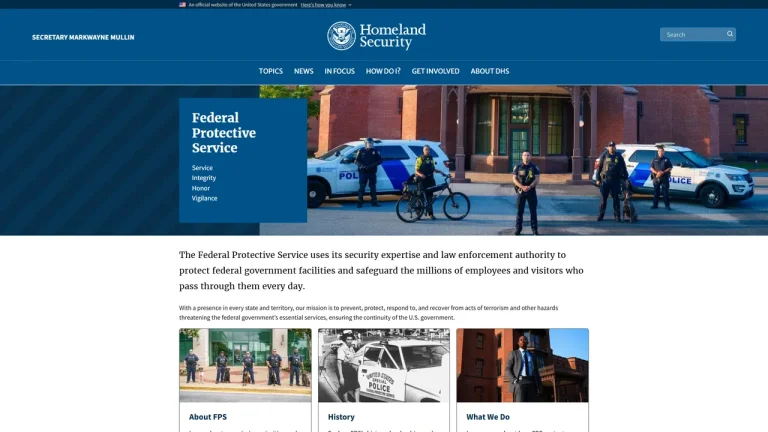
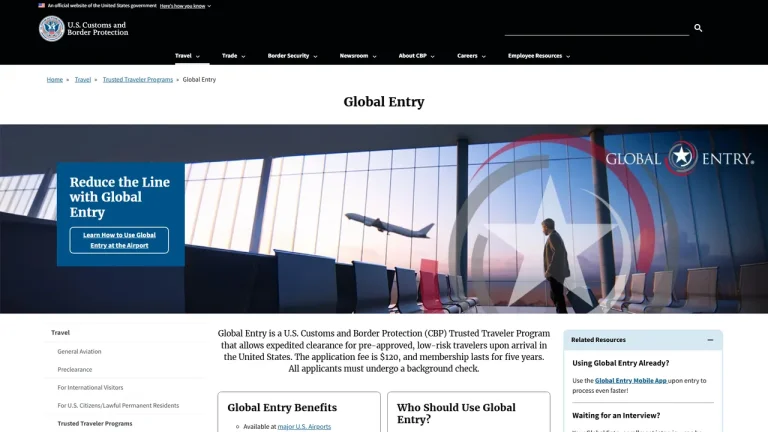
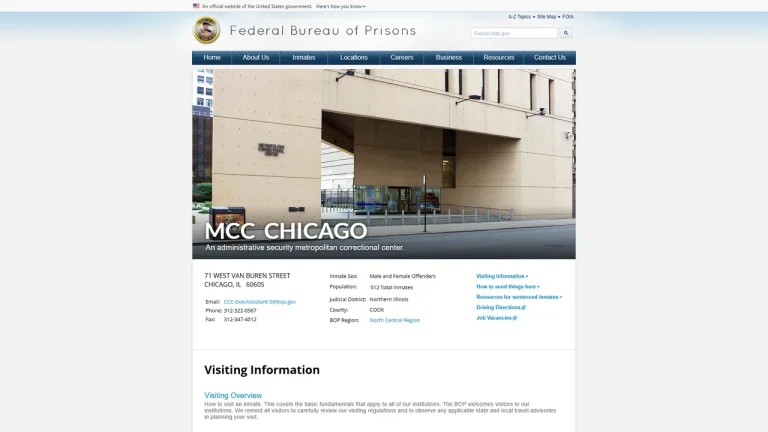
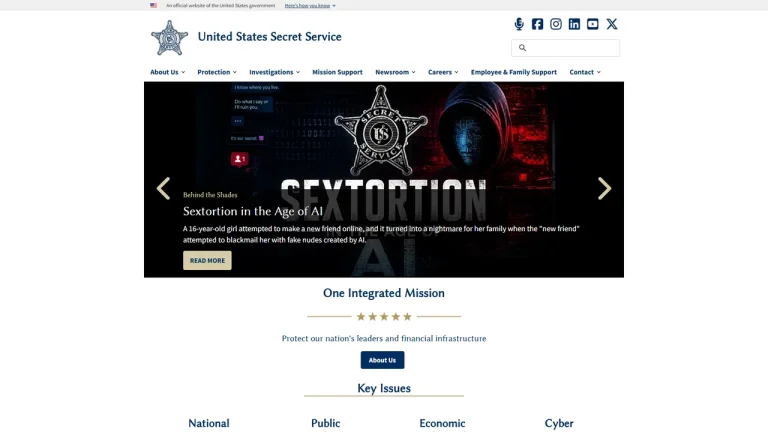




Bureau of Alcohol, Tobacco, Firearms and Explosives - Chicago, IL
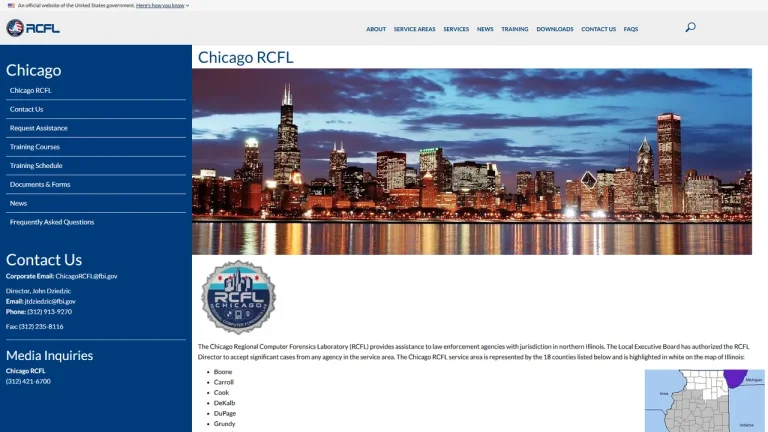
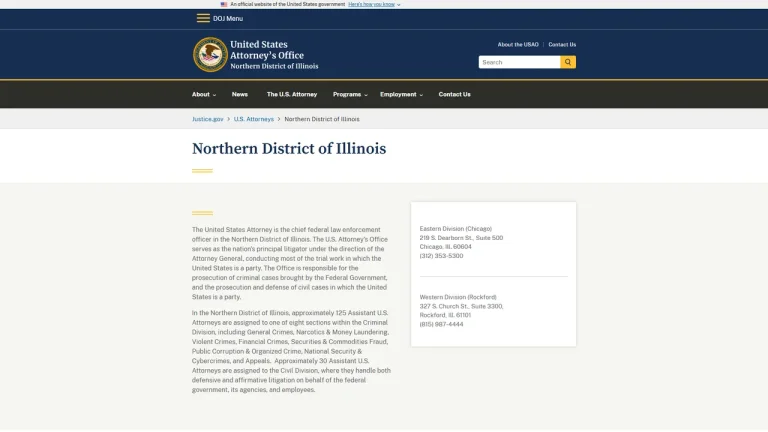
United States Attorney's Office, Northern District of Illinois - Chicago, IL
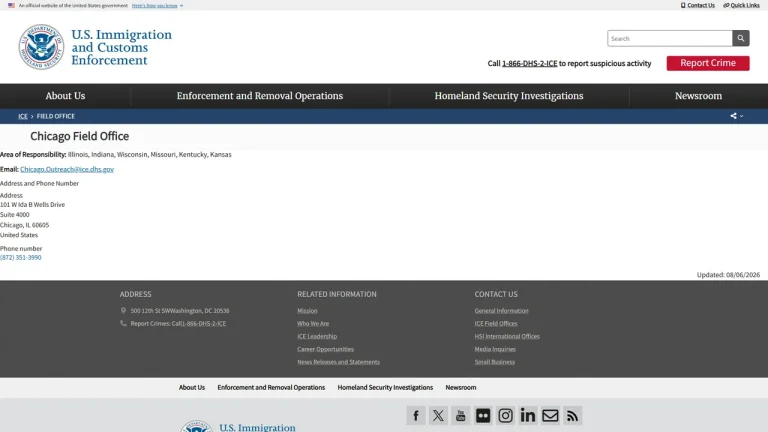
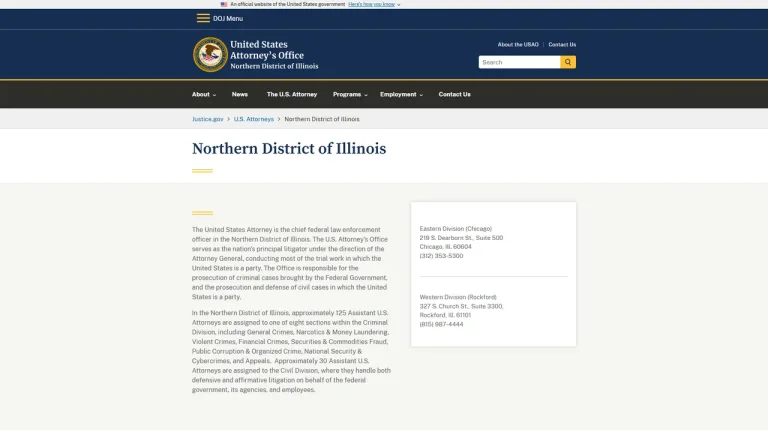
U.S. Attorney's Office - Northern District of Illinois - Chicago, IL

Federal Law Enforcement Operations in the Northern District of Illinois
Federal law enforcement agencies in Chicago exercise broad investigative jurisdiction across Cook County and the surrounding northern Illinois counties. Headquartered at regional installations, including the FBI Chicago Field Office on West Roosevelt Road and the DEA Chicago Division on Van Buren Street, these agencies investigate federal statutory crimes.
Operational oversight coordinates directly with the United States Attorney Office for the Northern District of Illinois, located inside the Everett McKinley Dirksen United States Courthouse on Dearborn Street. Federal agencies execute search warrants, issue grand jury subpoenas, and conduct inter-agency task force operations alongside local police.
Understanding the administrative mechanisms of federal agencies is vital when responding to official inquiries, filing federal freedom of information petitions, or asserting constitutional protections during investigations. Verified directory coordinates establish reliable communication channels with federal supervisory personnel.
Federal Agency Inquiries, Filings, and Response Protocols
| Service / Matter | Required Documents / Prerequisites | Statutory Fee (USD) | Processing Timeline |
|---|---|---|---|
| Federal Freedom of Information Act (FOIA) | Written request, detailed description of agency records, fee waiver affidavit if applicable | No initial filing fee (statutory search and copy fees apply) | Statutory 20 business days (extendable by 10 days) |
| Grand Jury Subpoena Response | Form subpoena, responsive records or motion to quash, attorney appearance | Statutory witness attendance fees provided by federal government | Returnable on specified grand jury session date |
| Administrative Asset Forfeiture Claim | Verified claim of ownership, identification of seized property, declaration of interest | No agency filing fee ($0 statutory claim fee) | 30 calendar days from receipt of personal notice |
| Voluntary Proffer / Interview Scheduling | Defense counsel representation, proffer letter agreement, formal scheduling | No governmental processing fee | Arranged through Assistant United States Attorney |
Critical Legal Deadlines & Statutes in Illinois
Citizens and legal counsel interfacing with federal agencies must comply with rigorous procedural time limits established under federal statutes. Under the federal Freedom of Information Act codified at 5 U.S. Code § 552, federal law enforcement bureaus have exactly 20 business days to render an initial determination regarding disclosure of requested records, with a statutory 10-day extension permissible under unusual operational circumstances.
When federal authorities initiate civil administrative forfeiture proceedings under the Civil Asset Forfeiture Reform Act, codified at 18 U.S. Code § 983, an interested party must submit a verified claim with the seizing agency within 30 calendar days of receiving personal notice of seizure, or within 30 days of final internet publication. Missing this deadline results in automatic administrative forfeiture of funds or vehicles to the federal government. Additionally, search warrants executed by federal agents in Cook County are governed by Fed. R. Crim. P. 41, requiring execution within a designated timeframe not exceeding 14 calendar days from judicial issuance.
Direct Agency Contact vs. Retaining Federal Criminal Defense Counsel
Under Ill. Sup. Ct. R. 281, small claims actions in state circuit court handle basic monetary disputes capped at $10,000 where self-represented individuals can resolve minor grievances. In sharp contrast, encounters with federal law enforcement bureaus carry severe constitutional jeopardy and potential confinement in federal correctional institutions.
While members of the public can independently file anonymous crime tips or submit non-sensitive FOIA requests, communicating directly with federal agents during an active investigation is perilous. Unrepresented individuals who submit to voluntary interviews risk making contradictory statements that can be prosecuted as federal felonies under 18 U.S. Code § 1001. Retaining experienced federal criminal defense counsel ensures proper handling of grand jury subpoenas, manages proffer sessions under formal immunity agreements, and challenges unconstitutional seizures before the Northern District of Illinois bench.
Red Flags & Public Service Warnings
- Impersonation Phone Scams: Beware of fraudulent telephone calls claiming to be from the FBI or DEA demanding immediate wire transfers or gift cards to cancel an arrest warrant; genuine federal agencies never demand payments over the telephone.
- Voluntary Interviews Without Counsel: Federal investigators are legally permitted to use strategic interview techniques; never submit to questioning or sign written statements without a defense attorney present.
- Commercial FOIA Processing Services: Do not pay third-party commercial services high fees to submit federal FOIA requests that can be filed directly through official agency electronic portals at no initial cost.
- Witness Tampering Liabilities: If served with a federal grand jury subpoena, consult an attorney prior to discussing the matter with colleagues or co-workers to prevent allegations of obstruction of justice under federal law.
Frequently Asked Questions
Where is the FBI Chicago Field Office located?
The central FBI Chicago Field Office is located at 2111 West Roosevelt Road in Chicago, overseeing federal criminal and counterintelligence investigations across eighteen northern Illinois counties.
What should I do if federal agents contact me for an interview?
Politely decline to answer substantive questions until you have consulted with an attorney, request the agents business cards, and immediately contact a licensed federal criminal defense practitioner to coordinate future communications.
How do I file a federal FOIA request with a Chicago agency?
Requests can be submitted electronically through the federal government centralized portal or mailed directly to the specific agency FOIA officer, clearly detailing the records sought and confirming willingness to pay statutory fees.
What is a target letter from the United States Attorney Office?
A target letter is formal written notification from federal prosecutors advising an individual that substantial evidence links them to the commission of a federal crime and that an indictment before a grand jury is imminent.
Can federal law enforcement seize property without filing criminal charges?
Yes. Under federal civil asset forfeiture statutes, agencies can seize cash, vehicles, or real estate if they establish probable cause that the assets are linked to illegal narcotics, money laundering, or financial fraud offenses.