
County & City Agencies in Maryland
Maryland county and city agencies oversee local zoning, permits, municipal records, and civil services across all 23 Maryland counties and Baltimore City. Navigating local governance requires understanding specific charter codes and county administrative procedures. Use our directory below to find local department coordinates, hours of operation, and filing guidelines.
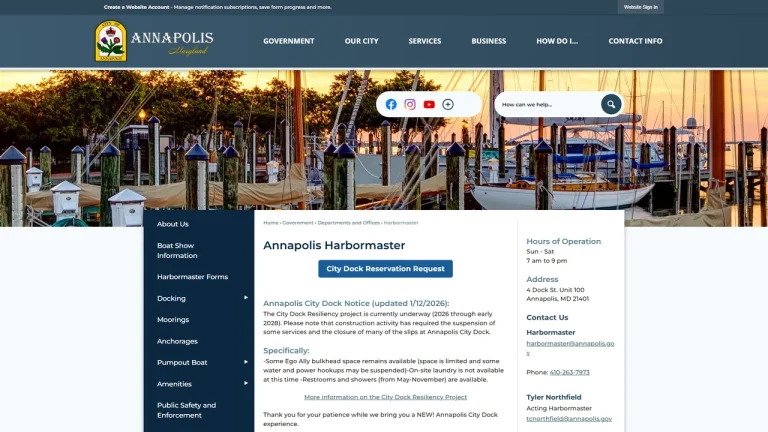
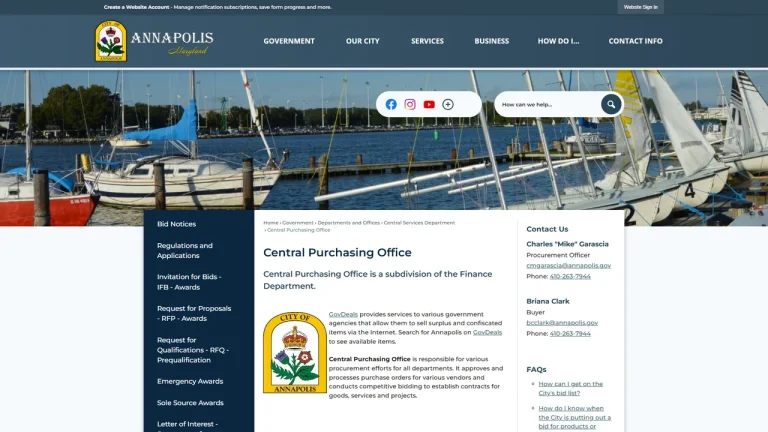

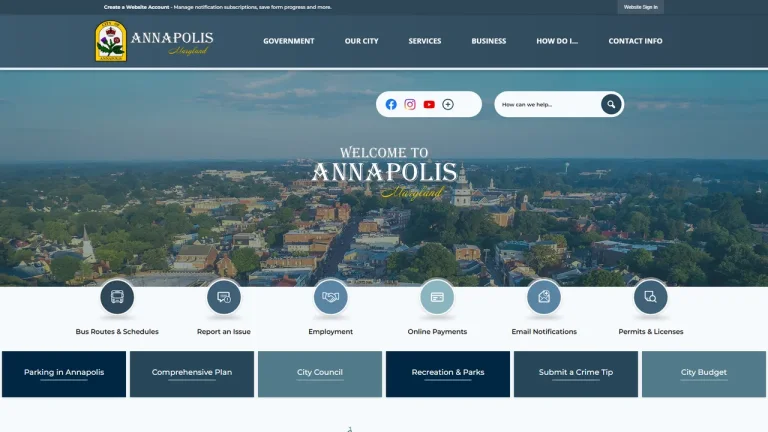
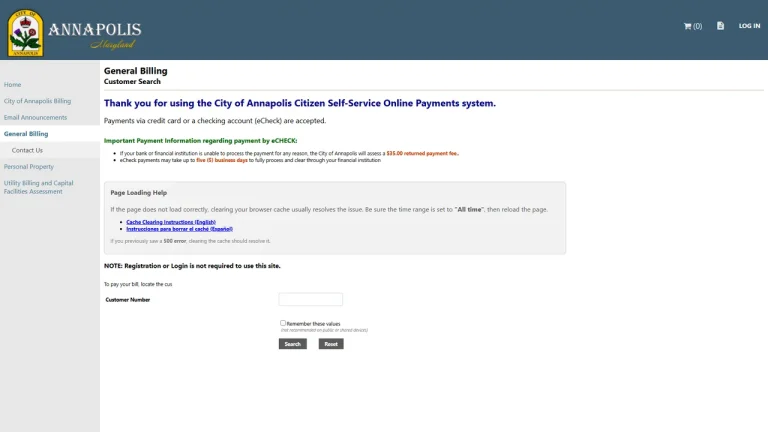

Board of License Commissioners for Anne Arundel County - Annapolis, MD

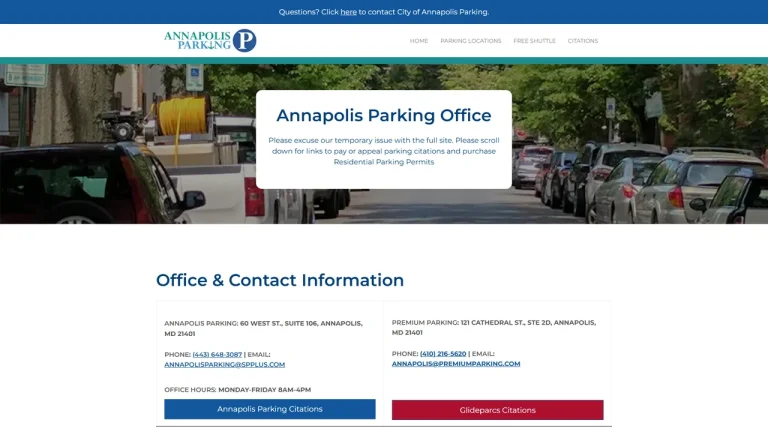
Annapolis Parking (City Dept of Transportation) - Annapolis, MD

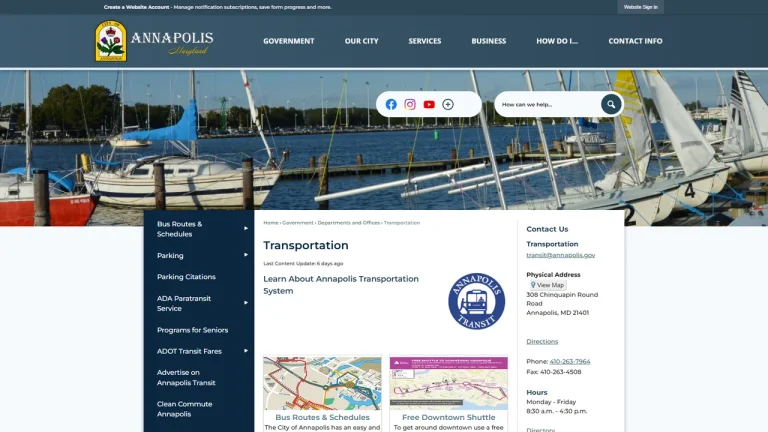
City of Annapolis Department of Transportation - Annapolis, MD
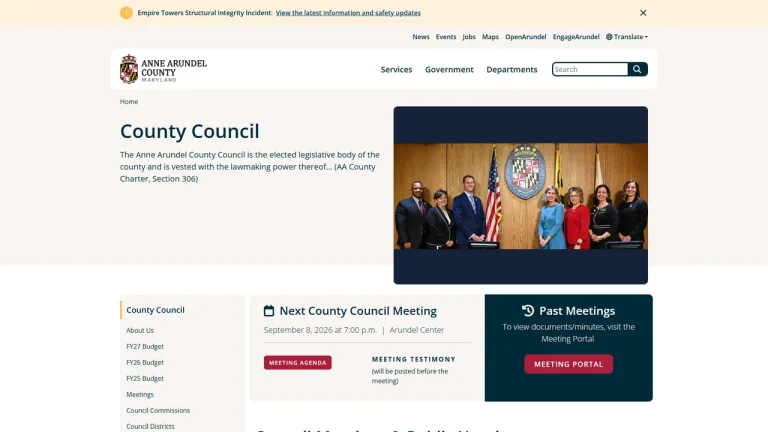
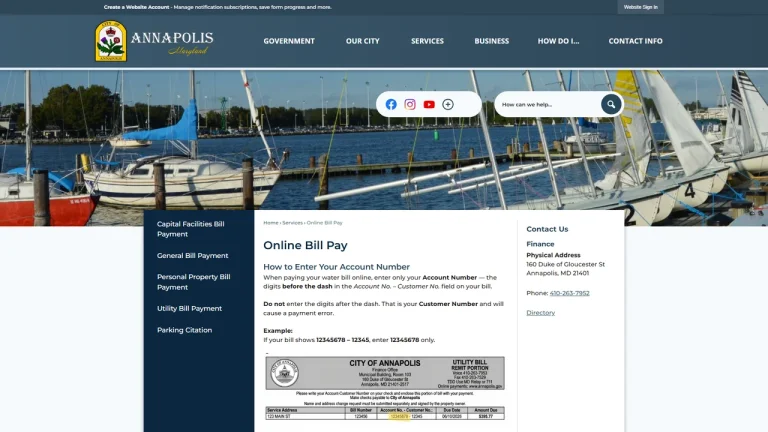
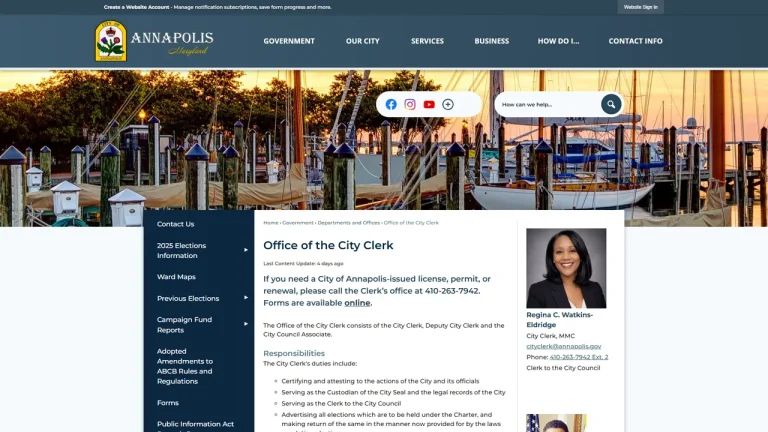
Administration Building -- Anne Arundel County Public Library - Annapolis, MD




Maryland County & Municipal Governance Structure
Maryland features a distinctly centralized local government structure centered on its 23 counties and the independent municipality of Baltimore City. Unlike jurisdictions with overlapping township layers, Maryland counties serve as the predominant administrators of local civil infrastructure, including land use planning, building inspection, public health directives, localized environmental protection, and property assessments. From charter-governed counties like Montgomery, Prince George's, Baltimore County, and Anne Arundel to code and commissioner counties across Western Maryland and the Eastern Shore, county government is the front line of public administration.
Within this framework, incorporated cities and towns-such as Annapolis, Rockville, Gaithersburg, Bowie, and Frederick-maintain municipal city halls, police departments, and planning offices operating under municipal charters. These city agencies administer localized zoning ordinances, code compliance, and municipal licensing while collaborating with county-level health departments and public works authorities. Regional planning agencies, such as the Maryland-National Capital Park and Planning Commission (M-NCPPC), further oversee bi-county planning and zoning administration across Montgomery and Prince George's counties.
Understanding the jurisdictional allocation between county administrative bodies and municipal city departments is essential when filing for building permits, requesting public records, appealing code enforcement violations, or delivering mandatory notices of municipal liability.
Key Maryland County & City Agency Services, Prerequisites & Timelines
| Service / Matter | Required Documents / Prerequisites | Statutory Fee (USD) | Processing Timeline |
|---|---|---|---|
| County Land Use & Building Permit | Architectural plans, certified site surveys, contractor license details, and completed county permit application | $50 to $500+ based on project valuation and square footage | 15 to 45 business days for plan review and departmental routing |
| Municipal Code Violation Appeal | Copy of municipal citation, photographic evidence of compliance or defense, and formal petition for review | $0 to $100 filing fee depending on municipal jurisdiction | Must request hearing within 15 to 30 days of citation delivery |
| Local Public Record Request (MPIA) | Written request specifying local agency records, custodian department name, and requester contact info | $0 for initial 2 hours of search; standard document duplication fees | Up to 30 statutory days (Md. Code Ann., Gen. Prov. § 4-203) |
| Notice of Claim Under Local Government Tort Claims Act | Sworn statement detailing injury, date, municipal department involved, and formal delivery to County Attorney or City Solicitor | $0 filing fee | Mandatory statutory notice within 1 year (Md. Code Ann., Cts. & Jud. Proc. § 5-304) |
Critical Legal Deadlines & Statutes in Maryland
Citizens engaging with county and city administrative agencies in Maryland must track strict procedural deadlines established by state statutes and local charter provisions:
- Local Government Tort Claims Act (LGTCA) Notice: Under Md. Code Ann., Cts. & Jud. Proc. § 5-304, an action for unliquidated damages may not be brought against a Maryland county, municipal corporation, or its employees unless formal written notice of the claim is served within 1 year after the injury. In Baltimore City, notice must be delivered to the City Solicitor; in charter counties, notice must be served on the County Attorney or County Executive.
- County Board of Appeals Filings: Decisions rendered by county planning directors or administrative hearing officers concerning zoning variances or special exceptions must generally be appealed to the County Board of Appeals within 30 days of the decision date pursuant to local charters and Md. Code Ann., Land Use § 4-306.
- Municipal Civil Infraction Hearings: Individuals seeking to contest a county or municipal code enforcement citation must submit a formal request for a trial before the District Court of Maryland within the time frame specified on the notice, typically 15 to 30 calendar days under Md. Code Ann., Local Gov't § 6-103.
- General Tort and Contract Actions: Civil actions against private contractors or non-governmental entities arising from local transactions remain subject to the standard 3-year statute of limitations under Md. Code Ann., Cts. & Jud. Proc. § 5-101.
Direct Agency Access vs. Legal Counsel
Many interactions with Maryland county and municipal agencies are routinely completed pro se. Homeowners and small business operators can navigate direct online portals to pay county real property taxes, pull basic residential trade permits, verify local zoning designations through county GIS mapping tools, and submit Maryland Public Information Act requests to county record custodians without retaining an attorney.
However, when a dispute advances to formal administrative litigation, professional legal representation becomes invaluable. Local administrative hearings-such as contested variance applications before a County Board of Appeals, historic preservation disputes, liquor board disciplinary hearings, or major land subdivision conflicts-are formal quasi-judicial proceedings. Under county administrative regulations and Maryland judicial rules, applicants must establish statutory standards, present expert engineering or planning testimony, cross-examine objecting neighbors, and build a pristine administrative record. Because Circuit Court review of county board decisions is strictly limited to whether the agency's ruling was supported by substantial evidence in the record under Maryland Rule 7-208, failure to introduce vital evidence before the local board completely forfeits that defense on appeal.
For modest financial disputes involving private parties up to $5,000, Maryland District Court offers a simplified small claims docket under Md. Code Ann., Cts. & Jud. Proc. § 4-405 where formal rules of civil evidence do not apply. However, local regulatory disputes, municipal tax lien foreclosures, and administrative enforcement orders fall outside small claims jurisdiction and require experienced municipal law counsel.
Common Red Flags & Regulatory Pitfalls
- Defective Tort Notice Service: Serving notice of a personal injury or property claim upon a local road supervisor or police precinct instead of the statutory designee (e.g., County Attorney, County Executive, or Baltimore City Solicitor as mandated by Md. Code Ann., Cts. & Jud. Proc. § 5-304), resulting in case dismissal.
- Unlicensed Expediter Scams: Third-party intermediaries demanding large cash fees while falsely claiming special access to expedite county building permits or liquor license transfers without formal authorization.
- Commencing Work in Historic or Environmental Overlays: Performing alterations or earth movement without obtaining required certificates of appropriateness from local historic district commissions or critical area buffer reviews under Maryland Chesapeake Bay critical area regulations.
- Bypassing County Administrative Appeals: Attempting to file a direct lawsuit in the Maryland Circuit Court before exhausting all procedural appeal steps before the County Board of Appeals or municipal review board.
Frequently Asked Questions
What is the difference between county agencies and municipal city agencies in Maryland?
Maryland counties manage countywide infrastructure, property assessments, public schools, and broader health services across all 23 counties. Incorporated cities (like Annapolis, Rockville, or Frederick) operate municipal city halls that manage local zoning, municipal police, local road maintenance, and localized permits within their municipal boundaries.
Who must receive notice if I have a claim against a Maryland county or city?
Under the Local Government Tort Claims Act (Md. Code Ann., Cts. & Jud. Proc. § 5-304), notice must be delivered in person or by certified mail to the County Attorney, County Executive, or City Solicitor (in Baltimore City) within 1 year of the incident. Serving notice to a department head or field worker does not satisfy statutory requirements.
How do I appeal a zoning or land-use decision made by a Maryland county agency?
You must file a notice of appeal with the local County Board of Appeals within the statutory timeline (typically 30 calendar days). The Board conducts a public evidentiary hearing where parties present exhibits and witness testimony, which forms the record for any future judicial review in the Maryland Circuit Court.
Can I request records from local Maryland government agencies under the MPIA?
Yes. The Maryland Public Information Act covers all county and municipal bodies. Requests must be sent directly to the local agency's designated MPIA representative, who must provide a formal response within 30 calendar days under Md. Code Ann., Gen. Prov. § 4-203.
When is an attorney required for matters before a Maryland county board?
While self-representation is permitted for individual property owners, corporations and business entities generally must appear through licensed Maryland attorneys. Furthermore, retaining legal counsel is strongly advised in contested zoning, special exception, or code citation hearings where formal evidentiary rules and appellate preservation standards apply.