
Federal Agencies in New Jersey
Navigating federal agencies in New Jersey requires understanding federal administrative authority, regulatory compliance rules, and district court procedures. Whether filing public records requests or addressing federal regulatory oversight, engaging through proper channels ensures your legal interests are protected. Explore our directory below to locate verified New Jersey federal agency headquarters, regional field offices, and contact resources.
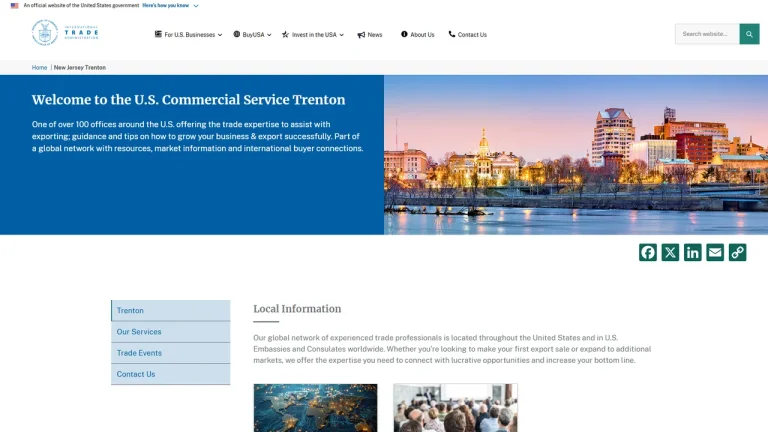
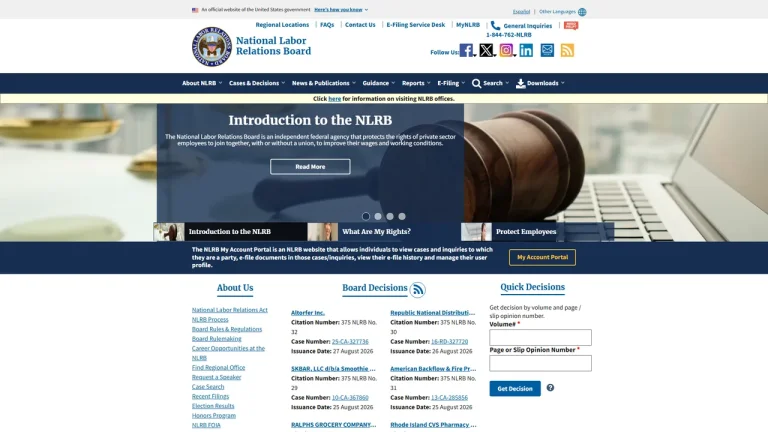
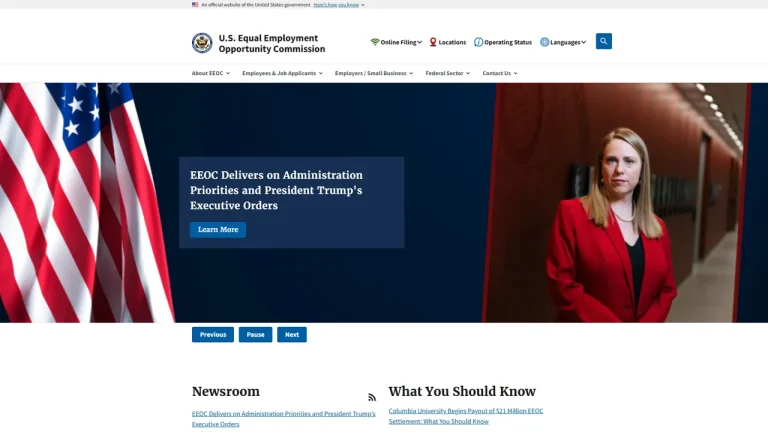
Equal Employment Opportunity Commission - Newark, NJ
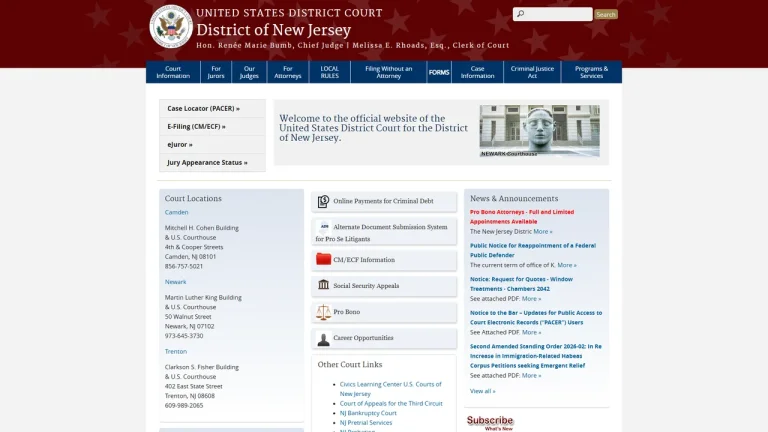
United States District Court - Trenton Vicinage (Clarkson S. Fisher Building)

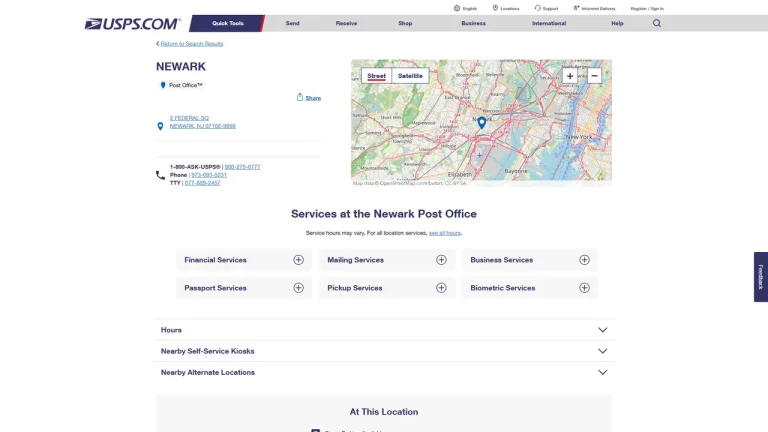
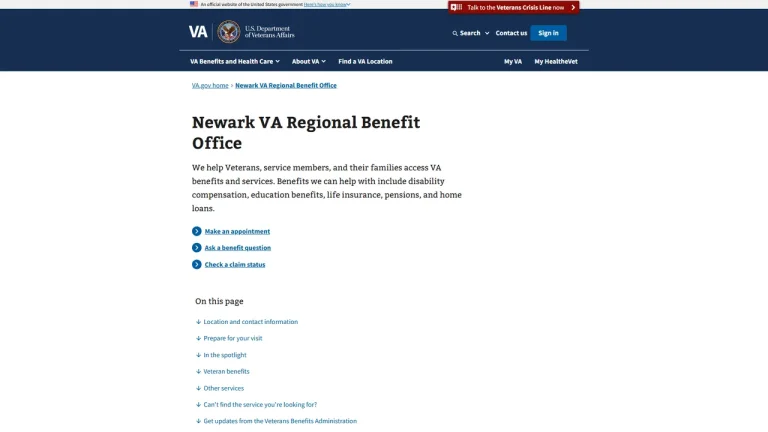
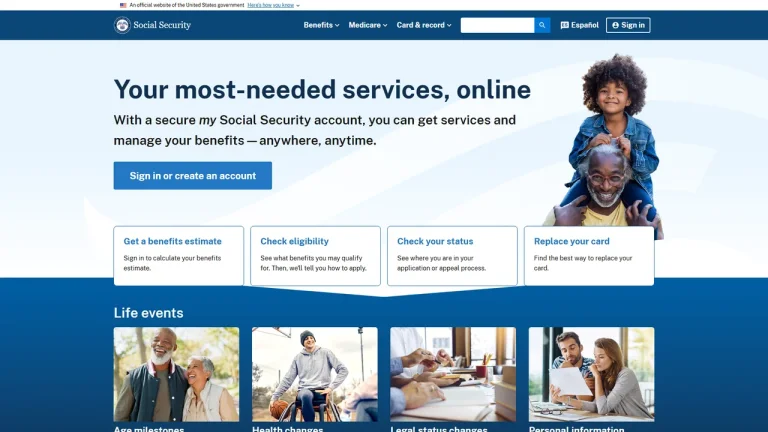
Social Security Administration - Trenton Field Office


US Army Corps of Engineers (Caven Point Marine Terminal) - Jersey City, NJ

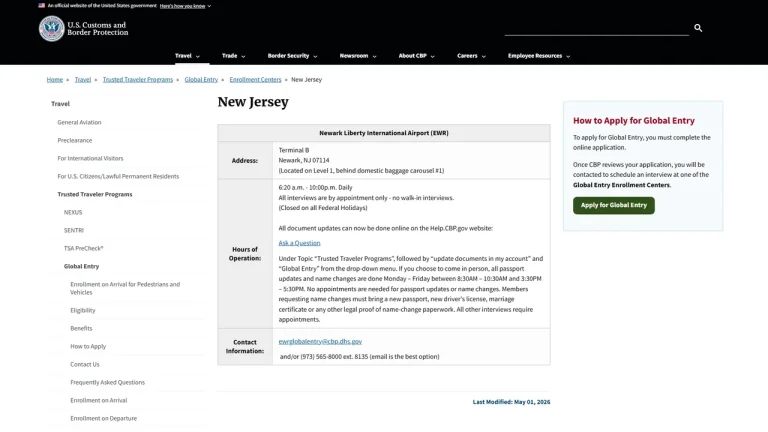
CBP Newark Liberty International Airport - Newark, NJ
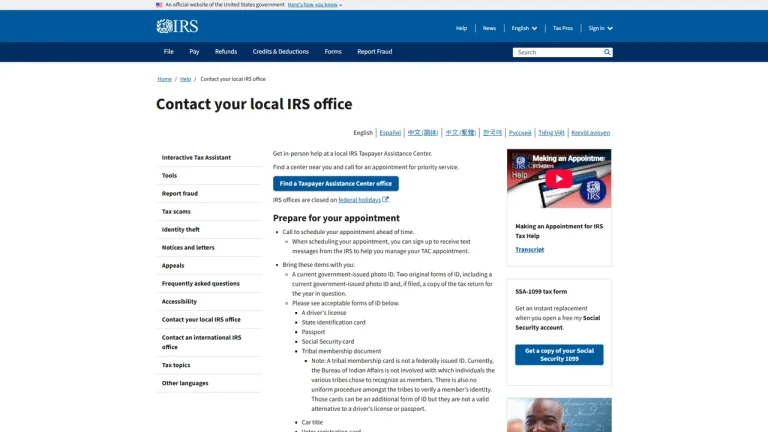
Internal Revenue Service (IRS) Taxpayer Assistance Center - Trenton, NJ

Federal Administrative Operations & Jurisdictional Scope in New Jersey
Federal executive agencies operating throughout the State of New Jersey exercise specialized statutory authority separate from municipal and state bodies. The judicial anchor for all federal agency actions in the state is the United States District Court for the District of New Jersey, which maintains three primary divisional courthouses: the Martin Luther King, Jr. Federal Building and U.S. Courthouse in Newark (Essex County), the Clarkson S. Fisher Building and U.S. Courthouse in Trenton (Mercer County), and the Mitchell H. Cohen Building and U.S. Courthouse in Camden (Camden County). Federal legal enforcement and administrative litigation are directed by the United States Attorney's Office for the District of New Jersey.
New Jersey's high population density, vital transportation infrastructure, and extensive industrial presence make it a major operational base for federal regulatory bodies. Major regional facilities include the Federal Bureau of Investigation (FBI) Newark Field Office, the Drug Enforcement Administration (DEA) New Jersey Division, the Bureau of Alcohol, Tobacco, Firearms and Explosives (ATF) Newark Field Division, and the Environmental Protection Agency (EPA) Region 2 technical facilities in Edison. The Occupational Safety and Health Administration (OSHA) enforces workplace standards through area offices in Hasbrouck Heights, Parsippany, Marlton, and Avenel.
In addition, New Jersey hosts strategically critical federal installations, including Joint Base McGuire-Dix-Lakehurst in Burlington and Ocean counties and Picatinny Arsenal in Morris County, where specialized federal oversight applies. Interacting with federal administrative agencies requires strict compliance with federal administrative discovery rules, statutory disclosure requirements, and formal hearing protocols.
Federal Agency Requests & Administrative Service Protocols
| Service / Matter | Required Documents / Prerequisites | Statutory Fee (USD) | Processing Timeline |
|---|---|---|---|
| Freedom of Information Act (FOIA) Request | Formal written request, agency-specific submission form, identity verification | $0.00 base statutory fee (search and duplication fees may apply) | 20 to 30 working days |
| Federal Tort Claims Act (FTCA) Administrative Claim | Standard Form 95 (SF-95), itemized damage documentation, official incident reports | $0.00 filing fee | 6-month statutory agency review period |
| Administrative Civil Asset Forfeiture Contest | Verified claim of ownership, DOJ seizure notice number, proof of property interest | $0.00 statutory fee (cost bond waived under CAFRA) | 30 to 35 calendar days from notice |
| Social Security Disability Appeal (ALJ Hearing) | Form HA-501, medical treatment records, denial notice from initial reconsideration | $0.00 filing fee | 8 to 14 months to schedule administrative hearing |
Critical Legal Deadlines & Statutes in New Jersey
Engaging with federal administrative agencies in New Jersey requires strict compliance with statutory limitation periods codified under federal law:
First, public access requests under the Freedom of Information Act are governed by 5 U.S. Code § 552, which requires federal agencies to determine whether to comply with a records request within 20 working days, subject to a 10-day statutory extension for unusual circumstances.
Second, tort claims against federal entities or employees must strictly comply with the Federal Tort Claims Act under 28 U.S. Code § 2401 and 28 U.S. Code § 2675. A claimant must file an administrative claim using Standard Form 95 within 2 years of the incident; if the agency denies the claim, the claimant has exactly 6 months from the mailing date of the final denial to initiate a civil action in the U.S. District Court for the District of New Jersey.
Third, contesting federal property seizures is governed by the Civil Asset Forfeiture Reform Act under 18 U.S. Code § 983; property owners must file a verified claim within 35 calendar days from the date personal notice is mailed, or within 30 days of final publication if notice is published publicly.
Fourth, charges of workplace discrimination submitted to the Equal Employment Opportunity Commission (EEOC) must be filed within 300 calendar days of the unlawful practice pursuant to 42 U.S. Code § 2000e-5, because New Jersey maintains a designated state fair employment practices agency.
Finally, federal civil rights actions initiated under 42 U.S. Code § 1983 borrow New Jersey's general personal injury statute of limitations codified at N.J. Stat. Ann. § 2A:14-2, establishing a 2-year filing limitation.
Direct Agency Interaction vs. Retaining Federal Legal Counsel
Citizens and business operators can handle several standard administrative transactions without legal representation. Filing routine FOIA requests, submitting initial applications for Social Security retirement or disability benefits, filing whistleblower tips with OSHA, or participating in public notice-and-comment procedures can be conducted independently through official agency portals.
However, when a federal agency initiates an audit, issues an administrative subpoena, or executes a search warrant, retaining an attorney admitted to practice before the United States District Court for the District of New Jersey is critical. Federal investigations carry substantial statutory exposure, and statements made to federal agents can be prosecuted as federal crimes under 18 U.S. Code § 1001 for providing false or misleading statements.
Federal administrative defense counsel manages all communications with Assistant United States Attorneys, evaluates the validity of investigative subpoenas, protects constitutional privileges under the Fifth Amendment, and structures compliance programs to mitigate administrative penalties and criminal exposure.
Federal Agency Scams & Administrative Red Flags
Individuals and businesses throughout New Jersey should maintain strict vigilance against deceptive practices and fraudulent schemes involving federal agency operations:
- Federal Agency Impersonation Scams: Callers falsely claiming to be investigators from the FBI Newark Field Office, DEA, or Social Security Administration demand immediate payments via prepaid gift cards, wire transfer, or cryptocurrency to settle alleged fines; legitimate federal agencies never solicit payments or threaten immediate detention over the telephone.
- Commercial FOIA and Application Intermediaries: Unaccredited third-party websites charge substantial fees to prepare standard federal forms, grant applications, or FOIA requests that are freely accessible directly from official federal department portals.
- Phishing Electronic Notices: Litigants and corporate officers should be cautious of fraudulent emails mimicking federal CM/ECF notices or regulatory compliance subpoenas that demand password entry or link to unauthorized payment gateways.
- Unaccredited Administrative Representatives: Beware of non-attorney consultants offering paid representation for federal grand jury subpoenas or specialized agency enforcement proceedings; only licensed attorneys possess the legal authorization to provide binding counsel and protect attorney-client privilege.
Frequently Asked Questions
Where are the federal courthouses located in New Jersey?
The United States District Court for the District of New Jersey operates three divisional courthouses: the Martin Luther King, Jr. Federal Building in Newark (serving Bergen, Essex, Hudson, Morris, Passaic, Sussex, and Union counties); the Clarkson S. Fisher U.S. Courthouse in Trenton (serving Hunterdon, Mercer, Middlesex, Monmouth, Ocean, Somerset, and Warren counties); and the Mitchell H. Cohen U.S. Courthouse in Camden (serving Atlantic, Burlington, Camden, Cape May, Cumberland, Gloucester, and Salem counties).
How do I submit a FOIA request to a federal agency in New Jersey?
A Freedom of Information Act request must be submitted directly to the designated FOIA officer of the specific federal agency possessing the records. The request must describe the records sought with reasonable specificity and state a willingness to pay statutory search and duplication fees. Most agencies accept submissions electronically through their national FOIA portals or via certified mail to their New Jersey regional offices.
What is the deadline to file a claim under the Federal Tort Claims Act in New Jersey?
Under 28 U.S. Code § 2401, an administrative claim on Standard Form 95 must be presented to the appropriate federal agency within 2 years from the date the claim accrued. If the agency formally denies the claim, the claimant must file a lawsuit in the U.S. District Court for the District of New Jersey within 6 months of the mailing date of the denial notice.
Can a corporation represent itself in federal administrative proceedings in New Jersey?
While corporate officers may execute standard administrative filings, corporations, limited liability companies, and partnerships must be represented by an attorney admitted to practice before the federal court when appearing in federal district court or during formal contested administrative proceedings.
What should I do if federal agents arrive with an administrative subpoena in New Jersey?
If federal agents serve an administrative subpoena or search warrant, politely request the agents' credentials and business cards, verify the scope of the document, and contact an experienced federal defense attorney immediately. Do not attempt to alter, delete, or conceal documents, as doing so can trigger federal obstruction of justice charges under federal criminal statutes.