
Government Agencies in Pittsburgh
Access verified City of Pittsburgh departments and Allegheny County administrative agencies through our comprehensive public directory. From municipal zoning and building permits to county property assessment appeals and public health oversight, understanding local administrative requirements prevents costly delays. Explore verified municipal office addresses, filing protocols, and agency contacts below.

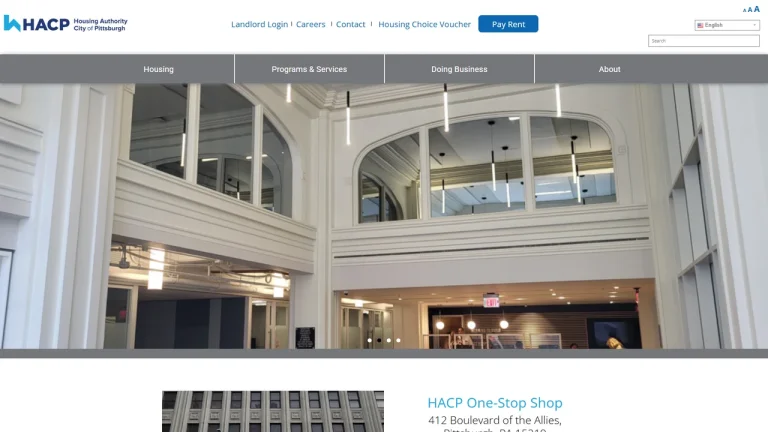
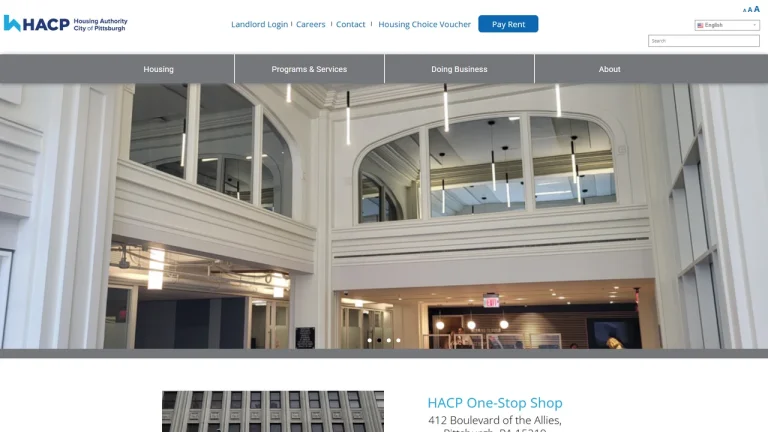
Housing Authority of the City of Pittsburgh - Pittsburgh, PA


Pittsburgh Office of Emergency Management & Homeland Security - Pittsburgh, PA

Pittsburgh Police and Fire Training Academy - Pittsburgh, PA

City of Pittsburgh Council - Office of the Clerk - Pittsburgh, PA
PA Region 13 Task Force (Southwestern PA Counter-Terrorism Task Force) - Pittsburgh, PA
City of Pittsburgh Animal Care and Control (Licensing) - Pittsburgh, PA

City of Pittsburgh Department of Mobility and Infrastructure - Pittsburgh, PA
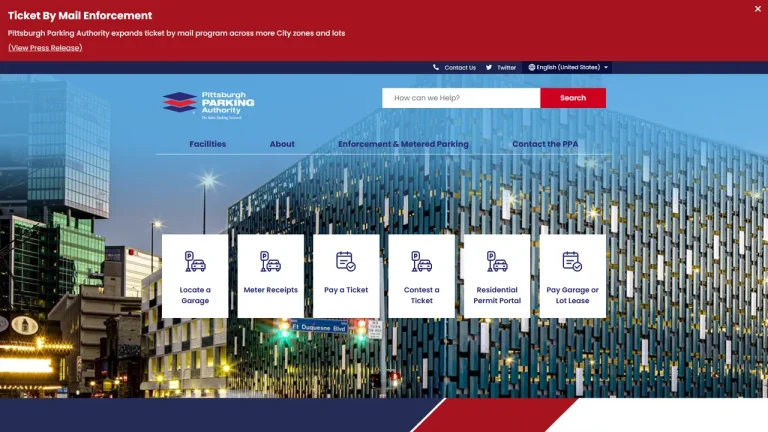
Residential Parking Permit Office - Pittsburgh, PA
PA State Police Bureau of Liquor Control Enforcement - District 4 - Pittsburgh, PA
Administrative Governance and Agency Structure in Pittsburgh
Public administration in Pittsburgh operates through a layered system of municipal authority and Allegheny County regional governance. Municipal offices are centered at the City-County Building on Grant Street and the 200 Ross Street municipal complex, serving urban neighborhoods including Downtown, Oakland, Lawrenceville, Shadyside, the South Side, and Squirrel Hill.
City departments oversee local zoning enforcement, residential and commercial building permits, neighborhood code compliance, and public safety operations. The Department of Permits, Licenses, and Inspections (PLI) and the Department of City Planning manage local development standards and municipal licensing. Concurrently, county-wide services are administered from the Allegheny County Courthouse and County Office Building on Forbes Avenue.
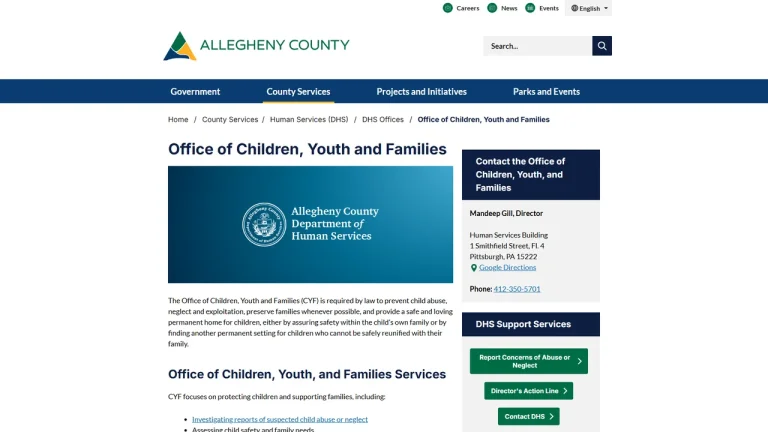
Allegheny County agencies oversee broad regional responsibilities, including real estate tax assessments, human services, public health enforcement, and county elections. Key county entities include the Board of Property Assessment Appeals and Review (BPAAR), the Allegheny County Department of Human Services (DHS) at One Smithfield Street, and the Allegheny County Health Department. Understanding the division of authority between municipal bureaus and county departments is crucial when filing applications, petitioning administrative boards, or seeking regulatory compliance.
Key Municipal and County Agency Services
| Service / Matter | Required Documents / Prerequisites | Statutory Fee (USD) | Processing Timeline |
|---|---|---|---|
| Pennsylvania Right-to-Know Law (RTKL) Request | Standard RTKL request form, specific record description, requester contact info | $0.25 per page for paper copies (electronic delivery free) | 5 business days for statutory agency response |
| City Building Permit & Plan Review (PLI) | Architectural construction drawings, contractor license, site plan, completed application | $50.00 base fee plus valuation percentage | 15 to 30 business days depending on scope |
| Allegheny County Annual Assessment Appeal (BPAAR) | Official appeal petition, evidence of market value, comparable property sales data | Free administrative filing | Hearings scheduled throughout summer and autumn |
| County Health Department Food Facility Permit | Facility floor plan, equipment layout, food safety manager certification | $100.00 - $350.00 tiered by facility size | 3 to 4 weeks following plan review and inspection |
Critical Deadlines and Administrative Statutes in Pennsylvania
Administrative matters before Pittsburgh municipal agencies and Allegheny County departments are governed by rigid statutory deadlines established under Pennsylvania law. Missing these mandatory filing dates can permanently extinguish rights to administrative appeals or judicial relief:
Under the Pennsylvania Right-to-Know Law, an agency open records officer must issue a formal response to a written records request within five business days of receipt pursuant to 65 P.S. § 67.901. If the agency denies access or fails to respond within this timeframe, the requester has fifteen business days from the mailing date of the denial to file an appeal with the Pennsylvania Office of Open Records under 65 P.S. § 67.1101(a).
Property owners wishing to challenge annual real estate assessments before the Allegheny County Board of Property Assessment Appeals and Review must adhere to the county's statutory appeal deadline of March 31 pursuant to 72 P.S. § 5452.11. Failure to submit an appeal by the statutory deadline forfeits the property owner's opportunity to contest the assessment valuation for that tax year.
Any individual asserting an injury or property damage claim against the City of Pittsburgh, Allegheny County, or an affiliated municipal agency must serve a formal written notice of claim within six months of the occurrence under 42 Pa. C.S. § 5522(a). Furthermore, appeals from municipal land use or zoning decisions rendered by the Pittsburgh Zoning Board of Adjustment must be filed with the Allegheny County Court of Common Pleas within thirty calendar days of the decision under the Pennsylvania Municipalities Planning Code pursuant to 53 P.S. § 11002-A.
Direct Public Engagement vs. Retaining Legal Counsel
Pittsburgh residents and commercial operators can complete many administrative tasks directly without retaining legal representation. Individuals can independently submit Right-to-Know requests to city or county record custodians, apply for residential repair permits through the Department of Permits, Licenses, and Inspections, file residential assessment appeals before the Board of Property Assessment Appeals and Review, or access benefit assistance programs through the Allegheny County Department of Human Services.
However, when administrative disputes involve significant property rights, commercial zoning changes, or high-stakes regulatory enforcement, retaining legal counsel is essential. Navigating contested hearings before the Pittsburgh Zoning Board of Adjustment requires presenting competent engineering and land-use testimony to satisfy rigorous legal variance standards. In commercial property tax assessment disputes, corporate entities must navigate formal conciliation and litigation before the Allegheny County Court of Common Pleas, where business organizations are legally prohibited from appearing pro se under Pa. R.C.P. No. 2177 and must be represented by an attorney admitted to the Pennsylvania Bar. Experienced counsel is also vital when challenging municipal contract bidding disqualifications or appealing administrative sanction orders before the Allegheny County Health Department.
Protective Safeguards and Public Agency Scam Warnings
- Beware of deceptive commercial mailers sent to property owners demanding payment for assessment appeal paperwork or property deed records; official appeal forms and property records can be obtained directly from Allegheny County departments for free or nominal copying charges.
- Never transfer funds or provide banking credentials over the phone to callers claiming to represent the City of Pittsburgh or Allegheny County demanding immediate payment for code violations or delinquent taxes; local agencies communicate formal compliance demands through official written mail notices.
- Avoid unregulated permit expediters who claim to possess personal relationships with Pittsburgh municipal building inspectors to bypass standard review procedures; all construction approvals require transparent documentation and code compliance under the Pennsylvania Uniform Construction Code.
- Verify that any professional representing your property or commercial interests before county boards is an attorney licensed by the Supreme Court of Pennsylvania or an authorized certified property tax consultant.
Frequently Asked Questions
Where is the City of Pittsburgh municipal government located?
City administrative offices are located at the City-County Building, 414 Grant Street, Pittsburgh, PA 15219, and the municipal complex at 200 Ross Street. These facilities house the Mayor's Office, City Council, Department of City Planning, and Department of Permits, Licenses, and Inspections.
How do I submit a Right-to-Know request to a Pittsburgh city agency?
You can submit a standard Right-to-Know request form to the City of Pittsburgh Open Records Officer via the city's official web portal, by postal mail to the City-County Building, or by email. The agency has five business days to respond under 65 P.S. § 67.901.
When is the deadline to appeal a property tax assessment in Allegheny County?
Annual property assessment appeals must be submitted to the Allegheny County Board of Property Assessment Appeals and Review on or before March 31 pursuant to 72 P.S. § 5452.11.
What is the notice requirement for filing an injury claim against the City of Pittsburgh?
Under 42 Pa. C.S. § 5522(a), a claimant must serve a formal written statement of claim on the City of Pittsburgh or Allegheny County within six months of the injury date before filing a lawsuit.
Can a corporate entity appear before the Allegheny County Court of Common Pleas without an attorney?
No. Under Pa. R.C.P. No. 2177, corporations and business entities cannot represent themselves in the Court of Common Pleas and must appear through a licensed attorney admitted to the Pennsylvania Bar.