
Public Records & Filing Offices in Pennsylvania
Accessing public records and filing offices in Pennsylvania ensures transparent oversight and lawful document registration across all sixty-seven Commonwealth counties. From the Pennsylvania Office of Open Records in Harrisburg to county prothonotaries and recorders of deeds, navigating official repositories protects legal interests. Browse our directory below to locate municipal filing offices, review record request guidelines, and access verified state portals.
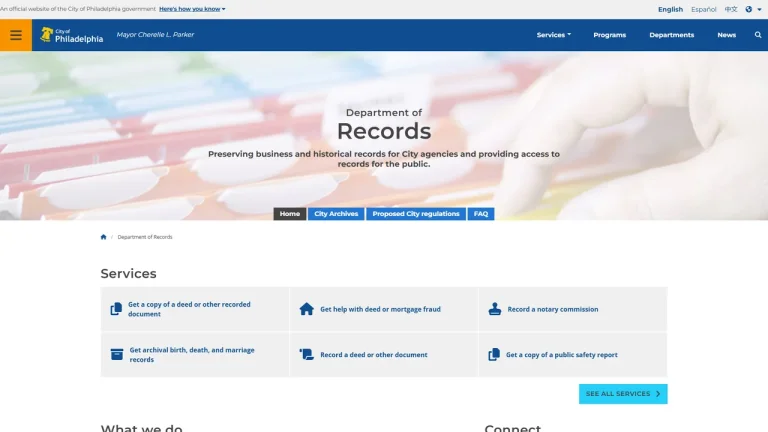
Philadelphia Department of Records - Philadelphia, PA




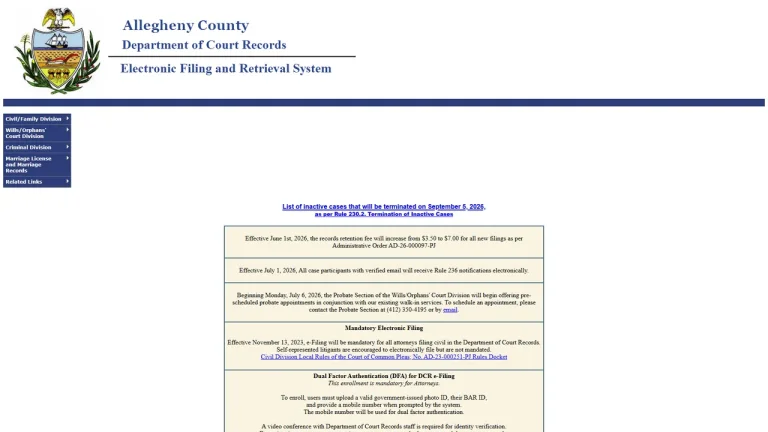
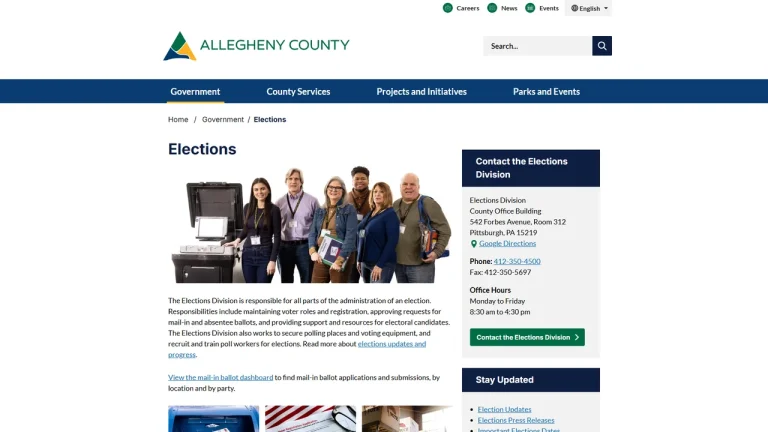
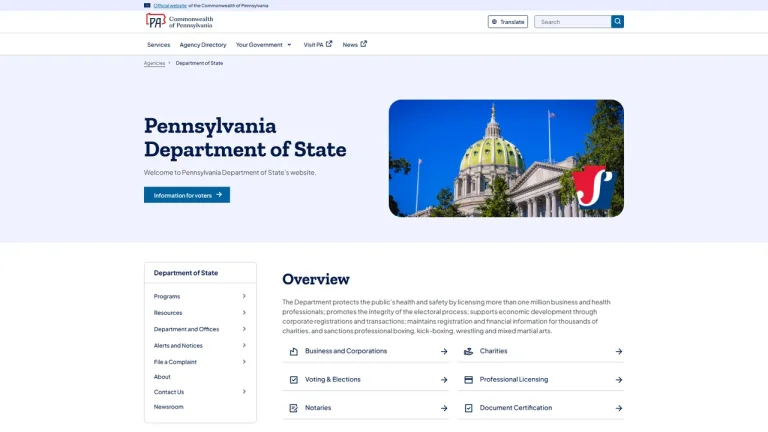
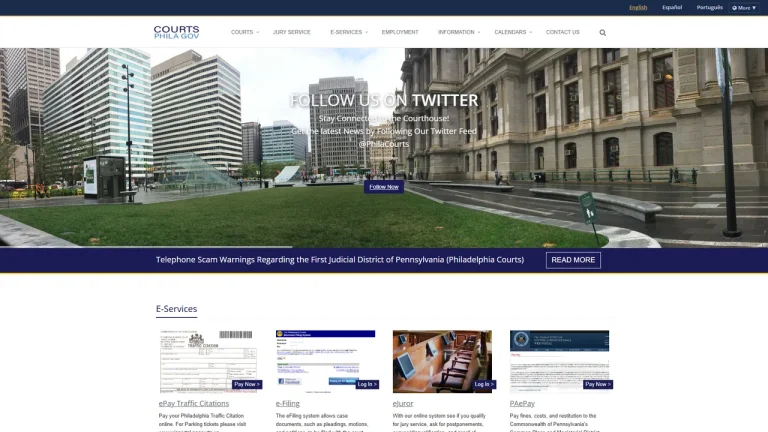
Philadelphia Office of the Clerk of Quarter Sessions - Philadelphia, PA
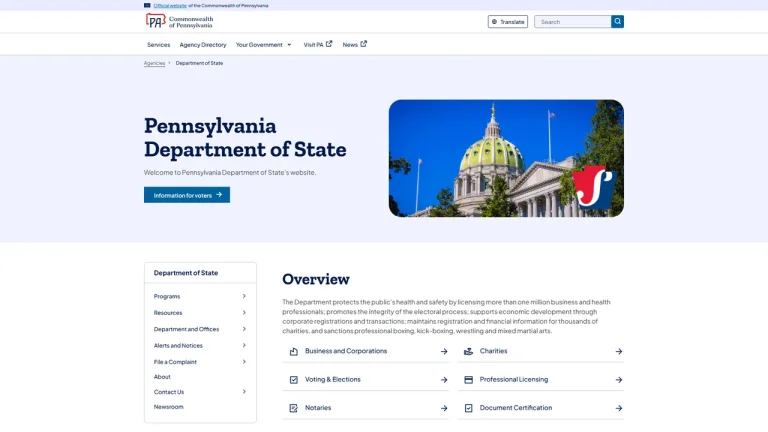
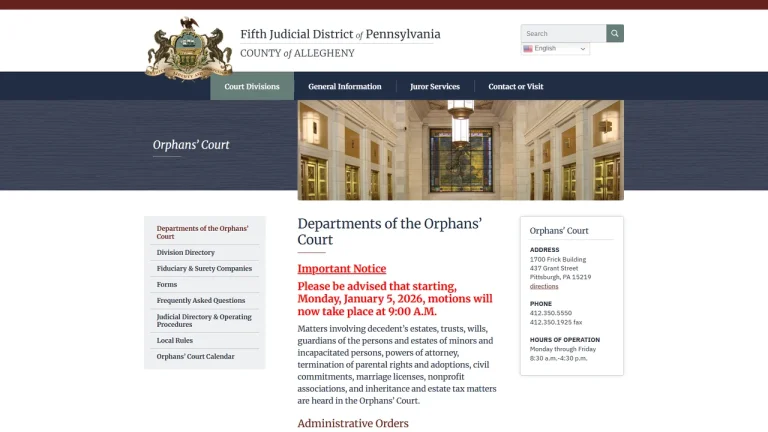
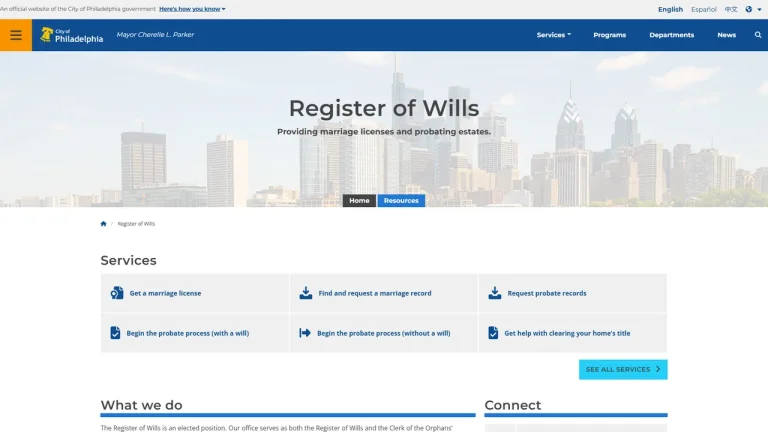

Philadelphia Municipal Court-Prothonotary - Philadelphia, PA
Statewide Public Filing Architecture and County Repositories
In the Commonwealth of Pennsylvania, public record maintenance and statutory filings operate through a coordinated structure divided between state administrative departments in Harrisburg and localized county courthouse repositories. Across all sixty-seven counties, public filings are partitioned among specialized county row offices to preserve chain of custody and public availability. Understanding the specific responsibilities of each repository is essential for conducting real estate due diligence, tracking civil actions, and inspecting public administrative records.
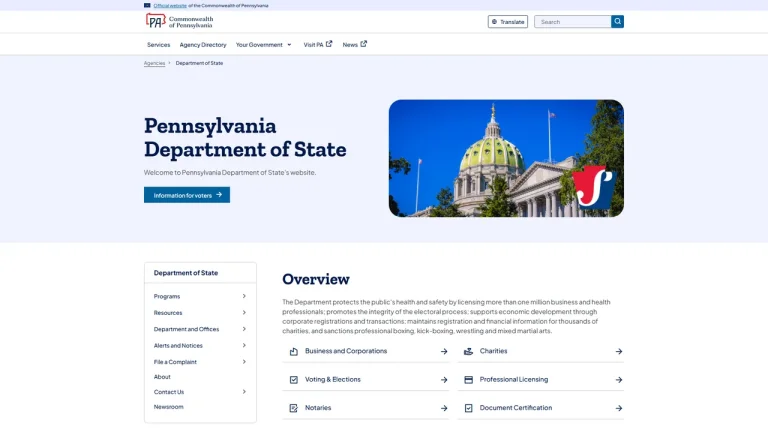
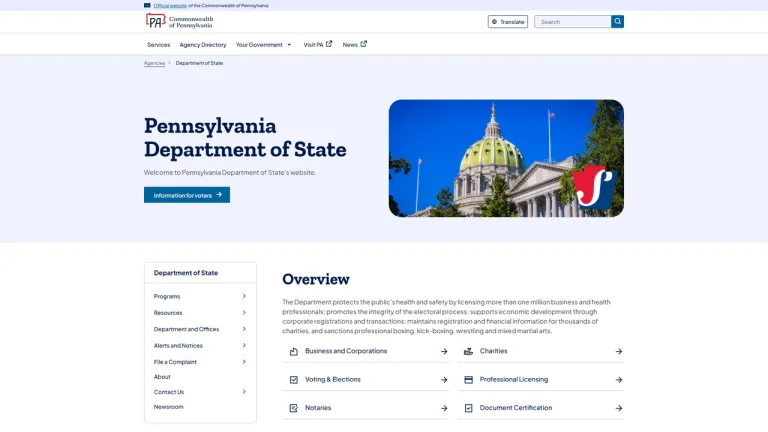
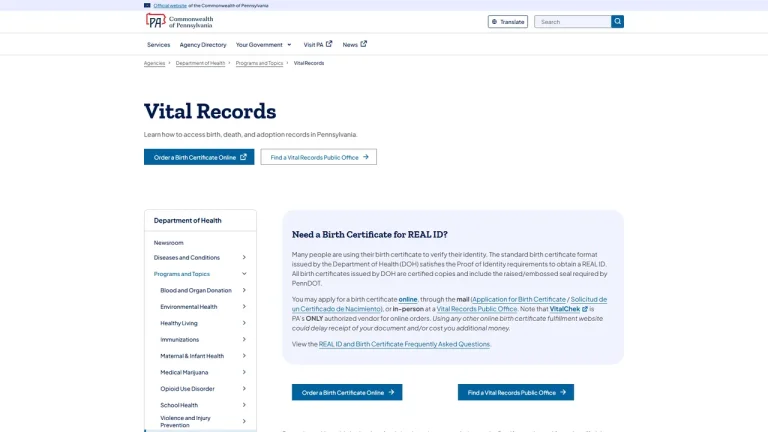
At the state level, the Pennsylvania Department of State Bureau of Corporations and Charitable Organizations oversees commercial business entity registrations, trademarks, and Uniform Commercial Code (UCC) financing statements. The Pennsylvania Office of Open Records (OOR), headquartered in Harrisburg, enforces government transparency by adjudicating appeals related to denied public record requests across state agencies and local municipal governments. Meanwhile, the Pennsylvania Department of Health Division of Vital Records administers vital statistics registries, including birth and death records, through central and regional customer service centers.
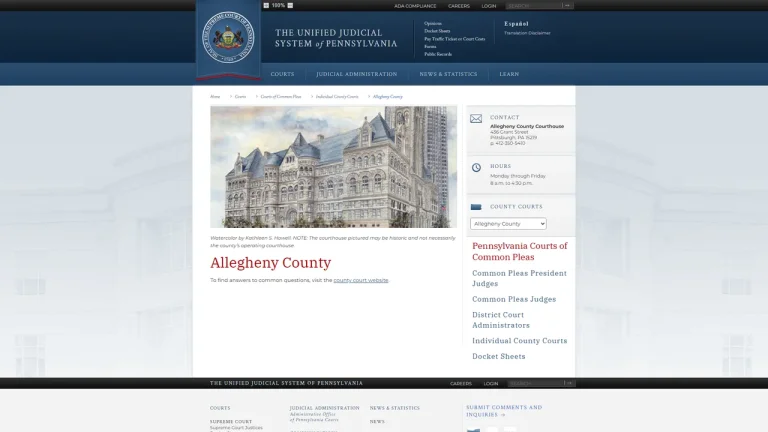
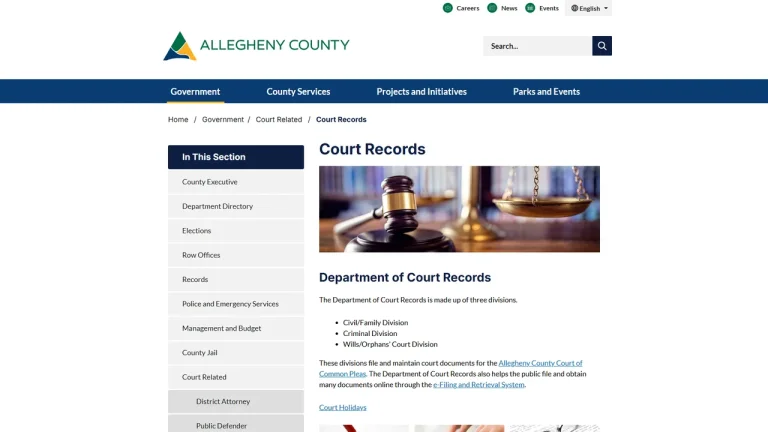
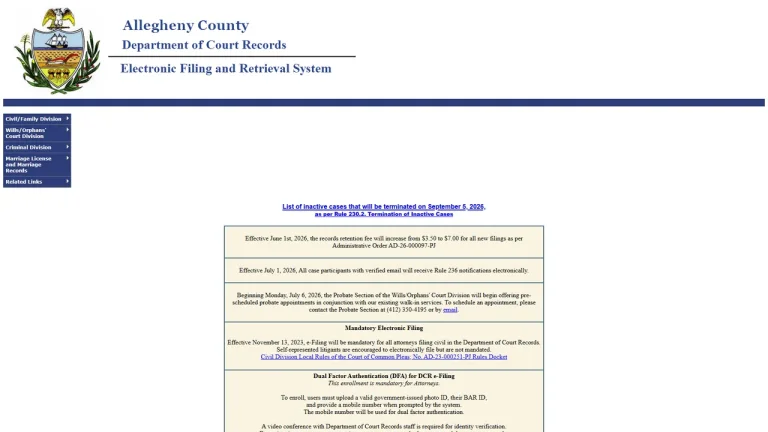
At the county judicial level, document access is divided by subject matter. Prothonotaries manage civil court dockets, judgments, and statutory liens; Clerks of Courts oversee criminal trial records; Registers of Wills maintain probate records and marriage licenses; and Recorders of Deeds preserve land transfers and mortgages. The Unified Judicial System of Pennsylvania connects these local repositories electronically through the statewide UJS Web Portal and the PACFile electronic filing service.
Pennsylvania Public Filing Schedules and Statutory Fees
| Service / Matter | Required Documents / Prerequisites | Statutory Fee (USD) | Processing Timeline |
|---|---|---|---|
| Standard RTKL Public Records Request | Standard RTKL request form, specific record description | $0.00 base fee ($0.25/page duplication) | 5 business days (or 30-day extension) |
| State Entity Corporate Registration | Articles of Organization or Incorporation, docketing statement | $125.00 statutory fee | 1 to 3 business days online |
| County Prothonotary Docket Exemplification | Written praecipe, case caption, exact docket number | $25.00 - $50.00 (varies by county) | 2 to 5 business days |
| UCC Financing Statement (Form UCC-1) | Completed national standard form, debtor and secured party details | $84.00 standard electronic fee | 24 to 48 hours |
Critical Public Records Deadlines & Statutes in Pennsylvania
Government transparency and citizen access to public documents in the Commonwealth are governed primarily by the Pennsylvania Right-to-Know Law (RTKL) codified under 65 P.S. § 67.101. When a formal request is submitted to a Commonwealth or local municipal agency, the agency is bound by 65 P.S. § 67.901 to issue a formal written response within five business days of receipt.
If the agency requires additional time to search for records, redact confidential data, or conduct legal reviews, it may invoke a unilateral extension of up to thirty calendar days pursuant to 65 P.S. § 67.902, provided timely written notice is delivered to the requester. If an agency denies access to any requested record, the requester must observe the strict administrative deadline set forth in 65 P.S. § 67.1101, which mandates that an appeal be filed with the Pennsylvania Office of Open Records within fifteen business days of the mailing date of the denial notice.
For commercial filings, priority and perfection of personal property security interests are governed by 13 Pa. C.S. § 9501 under the Pennsylvania Uniform Commercial Code. Furthermore, public inspection of judicial dockets across county courts of common pleas is subject to the Case Records Public Access Policy of the Unified Judicial System of Pennsylvania, which requires mandatory safeguarding and redaction of confidential identifiers, including Social Security numbers and juvenile records.
Direct Agency Access vs. Legal Counsel
Pennsylvania citizens have the right to access many public records offices directly without legal representation. Filing routine Right-to-Know requests, searching public civil dockets via the UJS Web Portal, recording standard residential deeds at a county courthouse, or establishing an LLC through the Department of State Penn File portal can be accomplished independently by following standard instructions.
However, engaging experienced legal counsel becomes critical when administrative obstacles arise or complex legal rights are at stake. When a state agency or local police department denies an RTKL request by invoking complex statutory exemptions-such as the non-criminal investigative exception or attorney-client privilege-appealing beyond the Office of Open Records into the Commonwealth Court of Pennsylvania or local Courts of Common Pleas requires skilled appellate representation. Legal assistance is likewise essential for resolving title encumbrances, correcting probate discrepancies before the Orphans' Court, or petitioning the court to seal sensitive financial and civil records.
Red Flags and Deceptive Filing Service Warnings
- Beware of deceptive direct-mail notices charging $80 to $150 to obtain a copy of your county property deed, which can be acquired directly from your county Recorder of Deeds for a few dollars.
- Avoid misleading commercial corporate filing websites that mimic the Pennsylvania Department of State and charge recurring subscription fees for basic annual filings.
- Never submit court pleadings that include unredacted confidential information, such as financial account numbers or minors' names, as failure to comply with UJS access policies can result in court sanctions.
- Watch for strict deadlines: missing the fifteen-business-day window to appeal an agency RTKL denial to the Office of Open Records forfeits your right to administrative review.
Frequently Asked Questions
What is the Pennsylvania Office of Open Records (OOR)?
The Office of Open Records is an independent administrative tribunal based in Harrisburg that enforces the Right-to-Know Law, issues binding final determinations on public record appeals, and trains government agencies on transparency compliance.
How can I view court case dockets online in Pennsylvania?
You can search civil, criminal, appellate, and magisterial district court dockets statewide for free using the Pennsylvania Unified Judicial System (UJS) Web Portal, which offers searchable electronic public records.
What is the difference between a Prothonotary and a Clerk of Courts?
In Pennsylvania county courthouses, the Prothonotary manages filings, dockets, and judgments for civil litigation and family law matters, whereas the Clerk of Courts maintains records related to criminal trial proceedings.
What recourse do I have if an agency ignores my Right-to-Know request?
Under Pennsylvania law, if an agency fails to respond within five business days and has not properly invoked a 30-day extension, the request is deemed denied by operation of law, allowing you to appeal immediately to the Office of Open Records.
Where do I register a new business entity in Pennsylvania?
New business entities, including corporations, LLCs, and limited partnerships, must file organizational documents with the Pennsylvania Department of State Bureau of Corporations and Charitable Organizations, located in Harrisburg.