
Harassment Lawyers in New York
Retaining an experienced New York harassment lawyer protects your workplace rights and holds unlawful employers accountable under the New York State Human Rights Law. Skilled employment attorneys assess liability, negotiate confidential severance and damage settlements, and pursue litigation before administrative bodies or state courts. Explore our verified statewide directory below to schedule a consultation with dedicated New York harassment counsel.
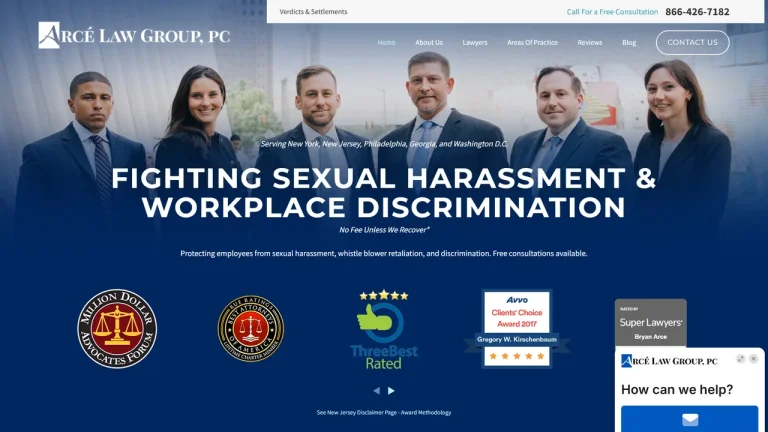
Arcé Law Group - NYC, New York

Modica Law Firm - Rochester, NY

Eisenberg & Baum, LLP - NYC, New York
The Maddox Firm LLC - NYC, New York
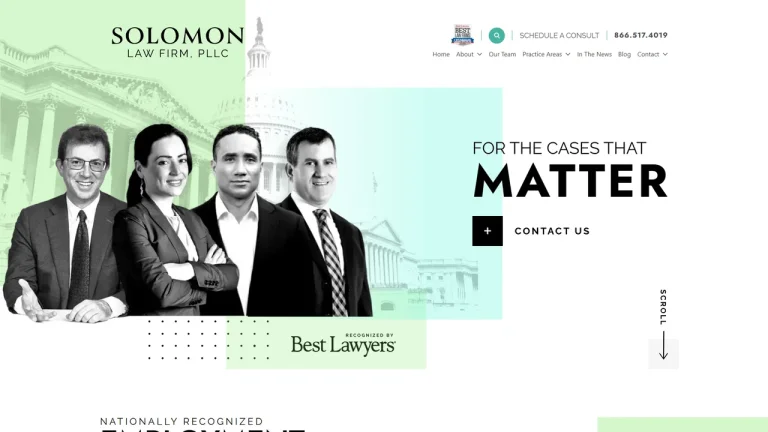
Solomon Law Firm, PLLC - Albany, NY

Blitman & King LLP - Syracuse, NY

Cordello Law PLLC - Rochester, NY

Satter Ruhlen Law Firm, PLLC - Syracuse, NY
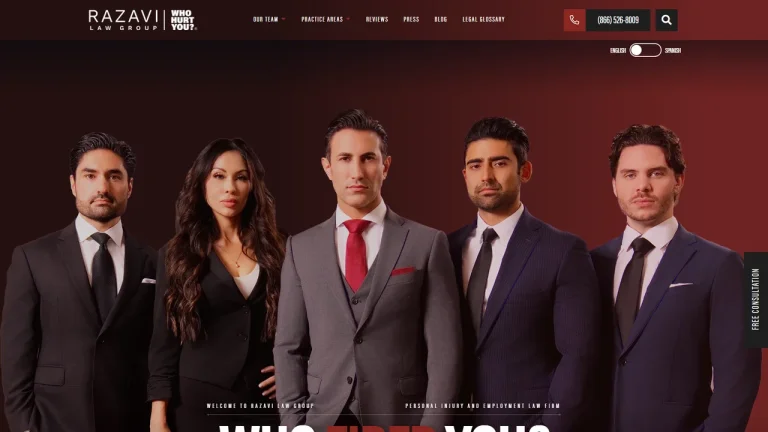
Razavi Law Group - NYC, New York
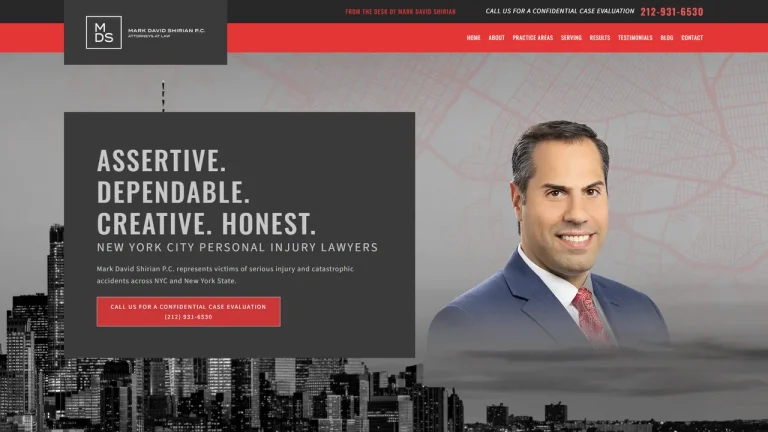
Mark David Shirian P.C. - NYC, New York
Eisner Dictor & Lamadrid, P.C. - NYC, New York

Horn Wright, LLP - Rochester, NY
Law Offices of Jon L. Norinsberg, Esq. - NYC, New York
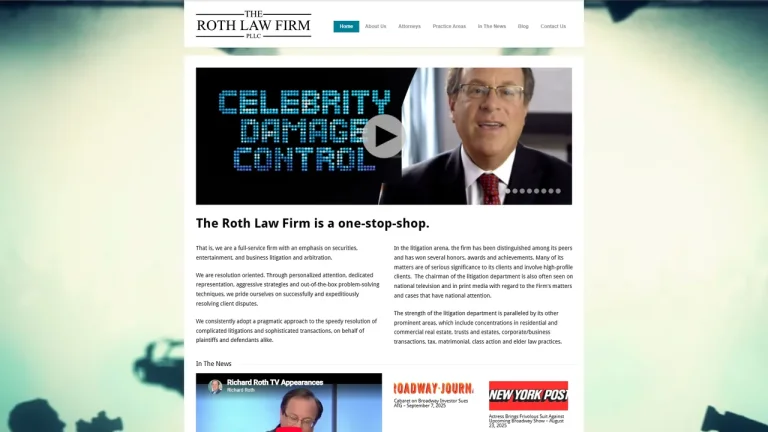
The Roth Law Firm, PLLC - NYC, New York
Satisky Law, PLLC - NYC, New York
Raskin & Kremins - NYC, New York

Honeywell Law Firm, PLLC - Albany, NY

Vahey Law Offices PLLC - Rochester, NY
Rapaport Law Firm - NYC, New York
Chartwell Law - NYC, New York

Law Office of Regina Sarkis, PLLC - Rochester, NY
McLaughlin & Stern LLP - NYC, New York
Tully Rinckey PLLC - Rochester, NY
Navigating Workplace Harassment Claims Across New York State
Unlawful workplace harassment, hostile work environments, and retaliatory conduct impact employees across the Empire State. From corporate headquarters and financial institutions in New York City and White Plains to technology firms, healthcare networks, and manufacturing operations in Albany, Syracuse, Rochester, and Buffalo, workers are entitled to a workplace free from discrimination.
Harassment claims in New York are governed by the New York State Human Rights Law (NYSHRL), enforced administratively by the New York State Division of Human Rights headquartered in Albany, with regional offices across the state. In addition to administrative proceedings, aggrieved employees may initiate civil lawsuits in the New York State Supreme Court within the county of employment, or in federal court through the United States District Courts for the Southern, Eastern, Northern, or Western Districts of New York.
New York has eliminated the restrictive federal severe or pervasive legal threshold, establishing that harassment is actionable whenever an employee is treated less well because of a protected characteristic. Retaining seasoned New York employment counsel ensures that administrative filings, court pleadings, and out-of-court settlement discussions are executed strategically under state statutes.
Legal Fees and Compensation for New York Harassment Cases
| Case Scenario | Fee Structure | Estimated Cost (USD) | Key Cost Determinants |
|---|---|---|---|
| Pre-Litigation Severance & Settlement Negotiation | Contingency (33.3% - 40%) or Hourly | $0 Upfront ($25,000 - $150,000+ Settlement) | Written evidence of complaints, employer liability exposure, executive status, and willingness to participate in private mediation. |
| Division of Human Rights (DHR) Administrative Filing | Contingency or Hourly ($350 - $650/hr) | $0 Upfront ($40,000 - $250,000+ Recovery) | Probable cause determinations, agency witness interviews, conciliation conferences, and formal public hearing trials. |
| Contested Harassment & Retaliation Supreme Court Lawsuit | Contingency (33.3% - 40%) | $0 Upfront ($100,000 - $1,000,000+ Recovery) | Extensive electronic discovery, depositions of corporate officers, psychiatric testimony regarding emotional distress, and punitive damages. |
| Federal Title VII & Concurrent State Litigation | Contingency / Hybrid | $0 Upfront ($150,000 - $1,500,000+ Recovery) | Dual-filing with the EEOC, federal summary judgment motions, and jury trial litigation in SDNY, EDNY, NDNY, or WDNY. |
Critical Legal Deadlines & Statutes in New York
Workplace harassment claims are subject to strict statutory deadlines. Under N.Y. Exec. Law § 296, harassment based on sex, race, age, disability, sexual orientation, or other protected traits is strictly unlawful. Pursuant to N.Y. Exec. Law § 297, administrative complaints alleging sexual harassment in employment must be filed with the New York State Division of Human Rights within three years of the unlawful conduct, while non-sexual harassment administrative claims carry a one-year filing window.
For lawsuits initiated directly in the New York State Supreme Court, the statute of limitations under the NYSHRL is three years from the date of the discriminatory act pursuant to N.Y. C.P.L.R. § 214. If filing under federal law through Title VII, an administrative charge must be submitted to the Equal Employment Opportunity Commission under 42 U.S. Code § 2000e-5 within 300 days of the harassment due to New York's dual-agency worksharing agreements.
Crucially, New York enforces a strict election of remedies doctrine under N.Y. Exec. Law § 297. Filing a formal complaint with the State Division of Human Rights generally precludes bringing a subsequent lawsuit in New York State Supreme Court based on the same underlying facts, unless the agency dismisses the complaint on the grounds of administrative convenience.
Small Claims Limits vs. Professional Representation
Small claims monetary limits in New York are capped at $5,000 in City Courts, $10,000 in the New York City Civil Court, and $3,000 in Town and Village Courts. Small claims courts have zero legal authority to order employer policy modifications, mandate personnel reassignments, or award non-economic damages for emotional distress.
Workplace harassment and constructive discharge actions require formal statutory pleadings in the New York State Supreme Court or federal district courts. These cases demand exhaustive discovery procedures, including obtaining company communications, challenging corporate internal investigation reports, and examining human resources supervisors.
Attempting to represent oneself pro se in a hostile work environment dispute risks catastrophic errors. Unrepresented employees frequently make procedural missteps, such as signing overbroad liability waivers, failing to preserve digital workplace evidence, or inadvertently forfeiting judicial remedies through the election of remedies doctrine.
Red Flags When Hiring a New York Harassment Attorney
- Overlooking the Election of Remedies Rule: Practitioners who prematurely file an administrative complaint with the Division of Human Rights without advising the client that doing so generally forfeits the right to sue in New York State Supreme Court.
- Applying Outdated Legal Thresholds: Lawyers unaware that New York eliminated the federal severe or pervasive standard under N.Y. Exec. Law § 296, which now requires only demonstrating unequal treatment that exceeds petty slights or trivial inconveniences.
- Demanding Large Non-Refundable Retainers for Meritorious Cases: Reputable plaintiff-side employment attorneys handle high-liability harassment cases on a contingency basis where attorney fees are collected only upon successful settlement or trial recovery.
- Guaranteeing Specific Settlement Amounts: Counsel promising fixed financial payouts before reviewing employer defense position statements, contemporaneous complaint notes, and corporate grievance files.
Frequently Asked Questions
What legal standard applies to workplace harassment claims in New York?
Under N.Y. Exec. Law § 296, an employee in New York does not need to show that harassment was severe or pervasive. The plaintiff must demonstrate that they were subjected to inferior terms, conditions, or privileges of employment because of a protected category, and that the conduct rose above petty slights or trivial inconveniences.
What is the election of remedies doctrine in New York?
Pursuant to N.Y. Exec. Law § 297, filing a formal complaint with the New York State Division of Human Rights bars the complainant from filing a lawsuit in New York State Supreme Court on those same statutory claims. The primary exception occurs when the agency dismisses the proceeding for administrative convenience before a determination on the merits.
How long do I have to file a workplace harassment lawsuit in New York?
Under N.Y. C.P.L.R. § 214, employees have three years from the date of the harassment to file a lawsuit in New York State Supreme Court under the New York State Human Rights Law. For administrative complaints, sexual harassment claims must be filed with the Division of Human Rights within three years under N.Y. Exec. Law § 297.
Can an employer retaliate against me for reporting harassment in New York?
No, retaliation is strictly prohibited under N.Y. Exec. Law § 296. Employers are prohibited from demoting, discharging, reassigning, or taking adverse actions against an employee because they opposed unlawful harassment, filed a formal complaint, or participated as a witness in a proceeding.
What damages can be recovered in a New York harassment lawsuit?
Victims can recover back pay (lost wages and benefits), front pay for future economic loss, compensatory damages for emotional distress, reasonable attorney fees, and punitive damages against private corporate employers under the New York State Human Rights Law.