
State Agencies in Maryland
Navigating Maryland state agencies requires understanding jurisdiction, procedural deadlines, and state resources in Annapolis and across regional state offices. Maryland residents can access public records, professional licensing, business registrations, and administrative dispute mechanisms through dedicated executive departments. Review our verified state agency directory below to locate official contact portals, submission requirements, and agency directories across Maryland.
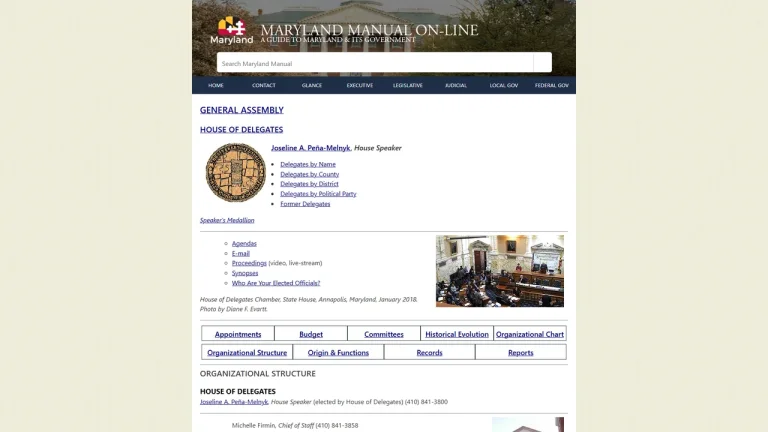

MSDE Division of Rehabilitation Services - Annapolis, MD
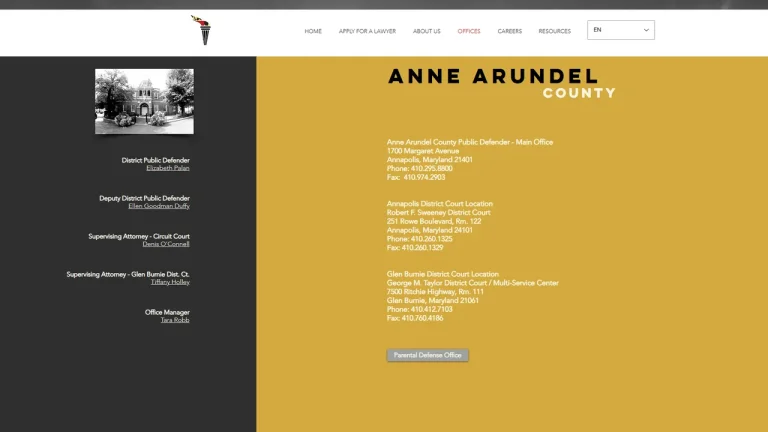
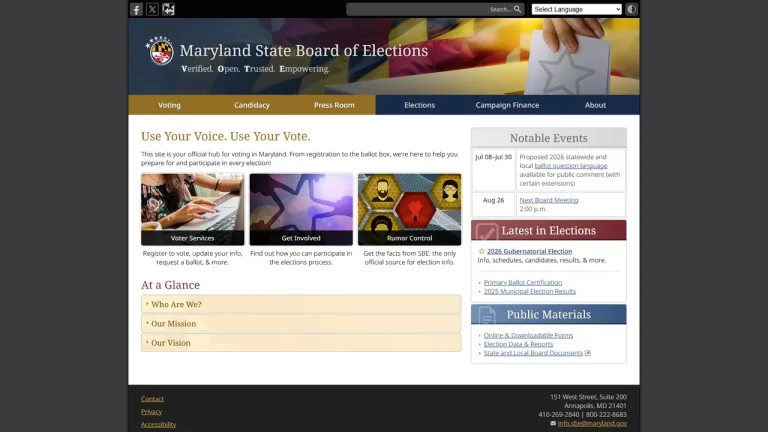


Maryland State Highway Administration District 5 Office - Annapolis, MD

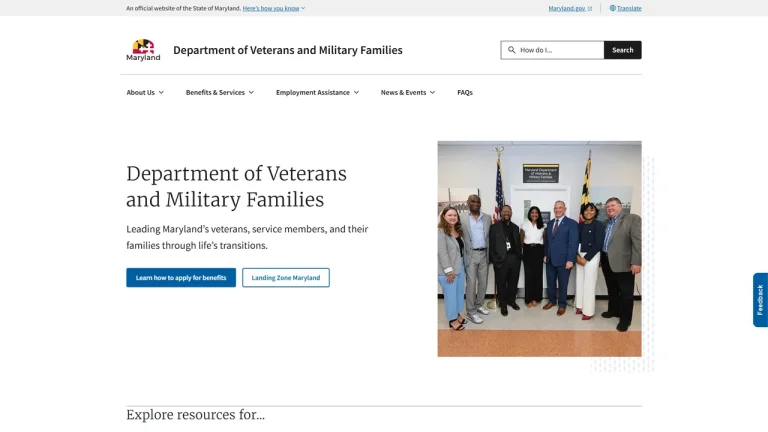

Maryland Department of the Environment Legislative Office - Annapolis, MD


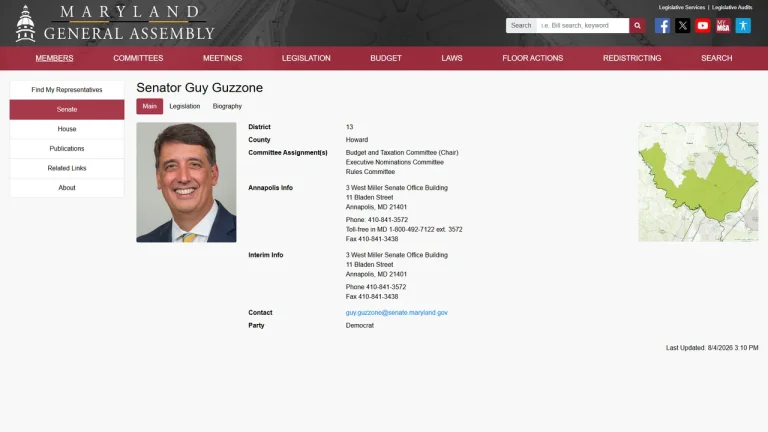

Maryland State Agency Jurisdiction & Administrative Authority
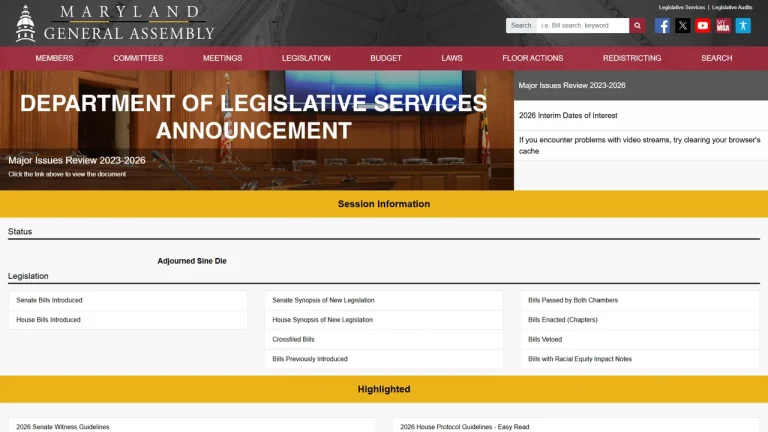
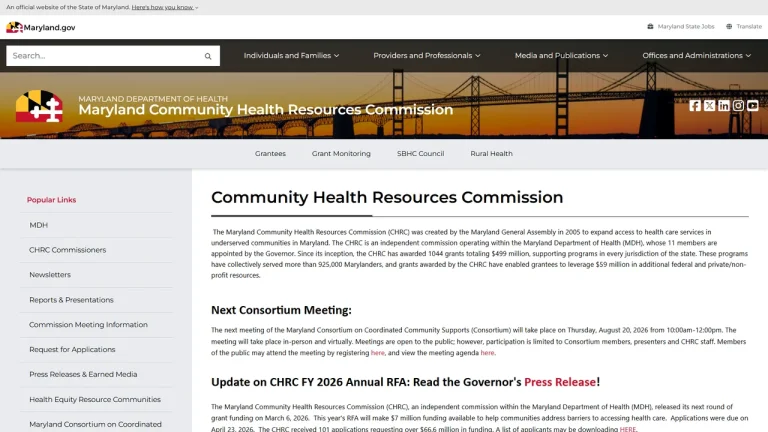
Maryland operates an extensive network of executive branch departments, independent commissions, and regulatory boards centered in the state capital of Annapolis and major regional hubs including Baltimore, Silver Spring, and Salisbury. Key central departments-such as the Maryland Department of Assessments and Taxation (SDAT), the Maryland Department of Health (MDH), the Maryland Department of Labor, and the Maryland Department of the Environment (MDE)-regulate statewide commerce, public health, professional credentials, and natural resource conservation under the Maryland General Assembly's legislative enactments.
When citizens or commercial entities interact with these administrative bodies, state actions are overseen by the Maryland Office of the Attorney General (OAG), which serves as chief legal counsel to all state agencies. For administrative disputes, quasi-judicial enforcement actions, and contested license proceedings, formal hearings are presided over by the Maryland Office of Administrative Hearings (OAH), headquartered in Hunt Valley, ensuring neutral adjudication separate from the enforcement division of the promulgating agency.
Understanding the precise state agency holding jurisdiction over your legal or commercial matter is essential for complying with mandatory filing rules, exhausting administrative remedies, and preserving your right to judicial review before the Circuit Courts of Maryland and the Supreme Court of Maryland.
Key Maryland State Agency Services, Prerequisites & Timelines
| Service / Matter | Required Documents / Prerequisites | Statutory Fee (USD) | Processing Timeline |
|---|---|---|---|
| Public Information Act (MPIA) Request | Written request identifying specific public records, requester contact details, and fee waiver justification if applicable | $0 for first 2 hours of search; standard reproduction fees apply | Up to 30 statutory days (Md. Code Ann., Gen. Prov. § 4-203) |
| SDAT Business Entity Charter Filing | Completed Articles of Incorporation or Organization, registered agent info, and principal Maryland office address | $100 base charter fee; optional $50 expedited processing fee | 5 to 7 business days standard; 24 hours expedited online |
| OAH Administrative Contested Case Appeal | Notice of adverse agency determination, completed petition for hearing, and applicable agency transmittal form | $0 to $150 depending on promulgating agency regulations | 30 to 60 days to schedule; written decision within 90 days of hearing |
| Notice of Claim Under Maryland Tort Claims Act | Sworn statement detailing injury, date, state agency involved, itemized damages, and service on State Treasurer | $0 filing fee | 6 months for Treasurer determination (Md. Code Ann., State Gov't § 12-107) |
Critical Legal Deadlines & Statutes in Maryland
Interacting with Maryland state administrative agencies requires strict adherence to statutory limitation periods codified in the Annotated Code of Maryland:
- Public Records Requests: Under Md. Code Ann., Gen. Prov. § 4-203, a state agency custodian must respond to a written Maryland Public Information Act request promptly, but no later than 30 calendar days after receipt. If the agency requires an extension exceeding 30 days, it must provide written notification specifying the estimated completion date.
- Administrative Review Petitions: A party aggrieved by a final decision rendered in a contested case by an Administrative Law Judge at the Maryland Office of Administrative Hearings must file a petition for judicial review in the Circuit Court within 30 days of the date of the order, pursuant to Md. Code Ann., State Gov't § 10-222 and Maryland Rule 7-203.
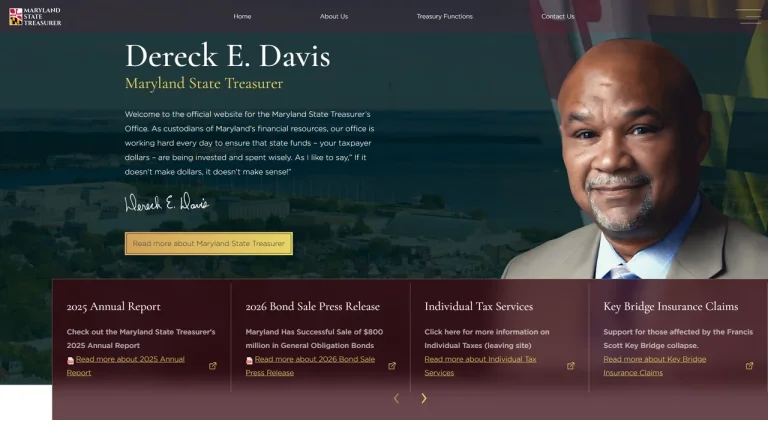
- Tort Claims Notice Deadline: Any individual seeking monetary damages for tortious conduct or negligence committed by state employees or agencies must submit formal written notice of the claim to the Maryland State Treasurer within 1 year from the date of injury under Md. Code Ann., State Gov't § 12-106.
- Declaratory Relief from Regulations: Citizens seeking to challenge the validity of an adopted administrative rule must file a petition for declaratory judgment under Md. Code Ann., State Gov't § 10-125 before the Circuit Court after exhausting administrative relief.
Direct Agency Access vs. Legal Counsel
Many everyday administrative tasks can be handled independently by Maryland residents without private legal representation. Standard transactions-such as submitting entity filings through the Maryland Business Express portal, requesting vital records from the Maryland Department of Health Division of Vital Records in Baltimore, or submitting initial Public Information Act requests to an agency records custodian-involve standardized online or paper forms designed for direct public access.
However, when a state regulatory agency initiates formal enforcement, audits, or disciplinary proceedings, retaining legal counsel becomes critical. Disciplinary actions pursued by licensing bodies-such as the Maryland Board of Physicians, the Maryland Real Estate Commission, or the Maryland Home Improvement Commission-can result in license revocation, steep civil penalties, or mandatory restitution. Contested proceedings before the Maryland Office of Administrative Hearings (OAH) are formal, quasi-judicial trials governed by statutory rules of evidence under the Maryland Administrative Procedure Act. Administrative Law Judges evaluate documentary exhibits, sworn witness testimony, and formal legal briefs. Failing to build a comprehensive evidentiary record or preserve objections at the administrative level bars an individual from raising those arguments during subsequent judicial appeals before the Circuit Court.
For straightforward monetary disputes between private parties where the claim does not exceed $5,000, Maryland District Court maintains an informal small claims division under Md. Code Ann., Cts. & Jud. Proc. § 4-405 with relaxed evidentiary requirements. In contrast, administrative actions initiated by Maryland executive departments involve statutory enforcement powers that cannot be resolved through small claims court, making legal representation essential to safeguard professional credentials and constitutional due process.
Common Red Flags & Regulatory Pitfalls
- Third-Party Document Scams: Unofficial commercial websites frequently pose as official state portals, charging recurring monthly subscription fees or inflated filing charges for standard SDAT corporate forms or public certificates that the state provides at minimal cost.
- Phishing and Impersonation Notices: Fraudulent communications purporting to originate from the Maryland Office of the Attorney General, Maryland Department of Labor, or SDAT demanding urgent payment through wire transfers or prepaid gift cards to preserve business standing.
- Forfeiting Administrative Appeal Windows: Neglecting to file a timely notice of appeal with the Maryland Office of Administrative Hearings within statutory windows, resulting in an automatic default order and total forfeiture of subsequent judicial review in the Maryland Circuit Courts.
- Failure to Exhaust Administrative Remedies: Initiating a premature civil lawsuit against a Maryland state agency in Circuit Court prior to completing all mandatory administrative hearing levels, which leads to immediate dismissal under Maryland jurisdictional law.
Frequently Asked Questions
Where are the central administrative headquarters of Maryland state agencies located?
Most principal executive agencies are headquartered in Annapolis (the state capital) and Baltimore City, with substantial administrative campuses in Hunt Valley, Silver Spring, and Hanover. Quasi-judicial hearings through the Maryland Office of Administrative Hearings (OAH) take place at its central facility in Hunt Valley or designated regional hearing sites statewide.
How do I request public records from a Maryland state department?
Public record requests are submitted under the Maryland Public Information Act (MPIA) directly to the designated records custodian of the specific agency. Custodians have up to 30 calendar days to respond pursuant to Md. Code Ann., Gen. Prov. § 4-203. Requesters may appeal denials or fee disputes to the Maryland Public Access Ombudsman or the MPIA Compliance Board.
What is the function of the Maryland Office of Administrative Hearings (OAH)?
The OAH is an independent state agency that provides impartial Administrative Law Judges (ALJs) to conduct formal contested hearings for over 30 executive branch departments. ALJs review evidence, hear witness testimony, and issue proposed or final administrative decisions under the Maryland Administrative Procedure Act.
How much time do I have to file a lawsuit against a Maryland state agency for negligence?
Before filing a civil lawsuit in court, you must submit a formal written notice of claim to the Maryland State Treasurer within 1 year from the date of injury under Md. Code Ann., State Gov't § 12-106. Failure to serve this statutory notice properly will bar any subsequent legal claim under the Maryland Tort Claims Act.
Do I need an attorney for an administrative hearing involving a Maryland state agency?
While individuals may represent themselves pro se, retaining an administrative law attorney is strongly advisable when professional licenses, regulatory fines, or substantial rights are at stake. Administrative hearings before an ALJ involve formal discovery, legal objections, and rules of evidence that dictate whether you can successfully appeal an adverse outcome to the Maryland Circuit Court.