
Jails, Prisons & Detention Centers in Philadelphia
Philadelphia correctional facilities operate under municipal oversight and federal jurisdiction across major complexes like State Road and Center City. Inmate status verification, bail processing, and attorney visitation adhere strictly to Pennsylvania criminal procedural rules and institutional intake policies. Explore our verified directory below to locate detention centers, review bail deposit protocols, and coordinate legal visits.
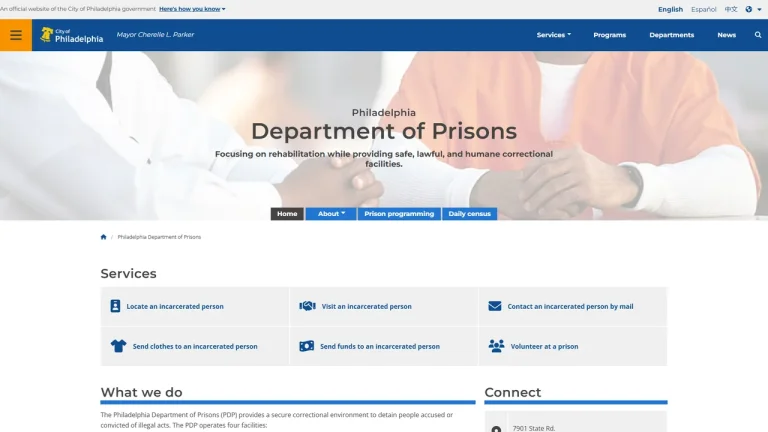
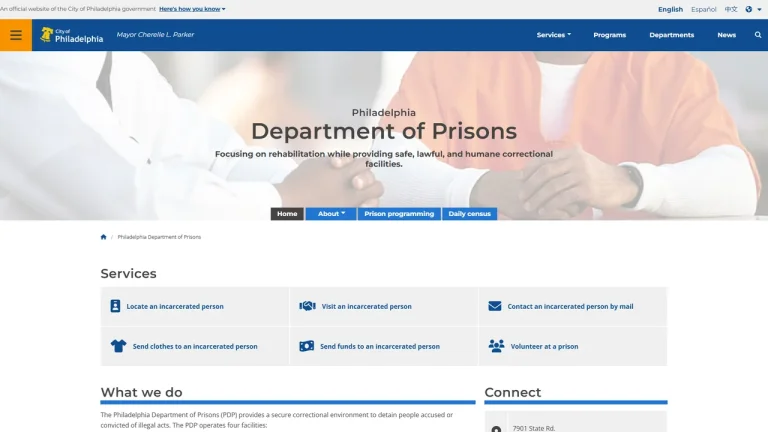
Philadelphia Industrial Correctional Center - Philadelphia, PA
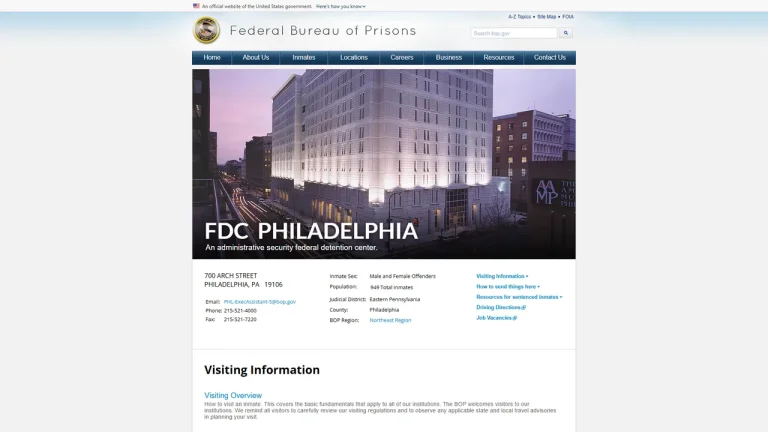
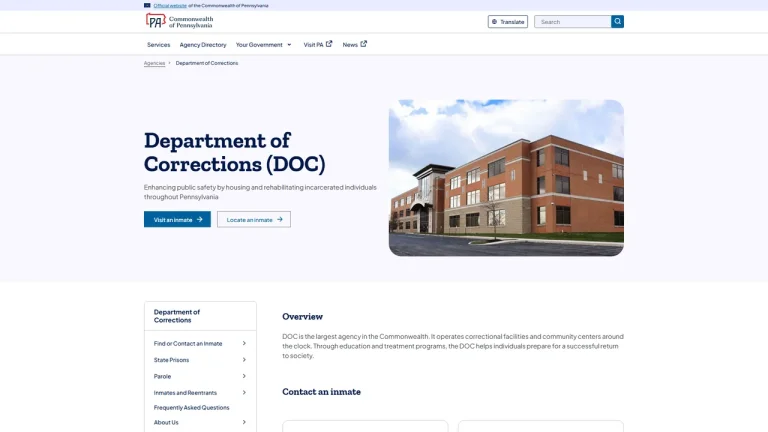

Philadelphia Detention Facilities & Correctional Jurisdiction
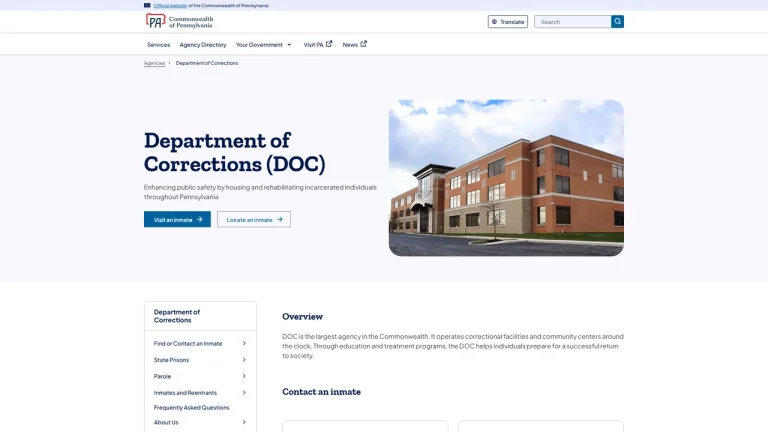
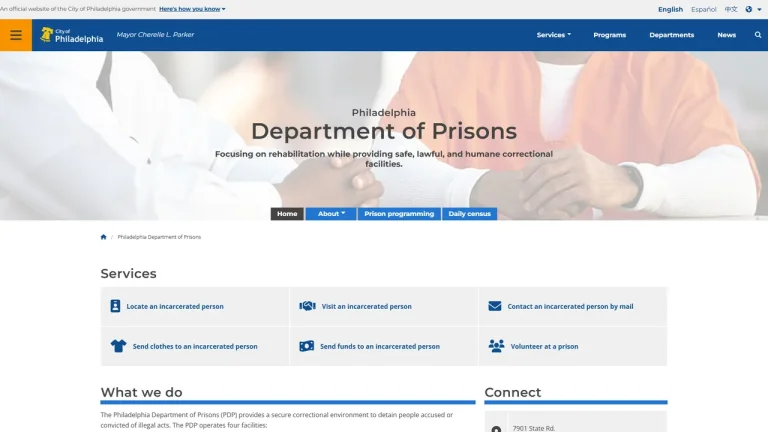
Incarceration facilities in Philadelphia operate primarily under the Philadelphia Department of Prisons (PDP), which administers municipal detention complexes housing pre-trial detainees and individuals serving county sentences. The primary correctional cluster is located along the State Road corridor in Northeast Philadelphia, housing multiple high-capacity facilities including the Curran-Fromhold Correctional Facility (CFCF), the Philadelphia Industrial Correctional Center (PICC), the Riverside Correctional Facility (RCF) for female inmates, and the Detention Center (DC).
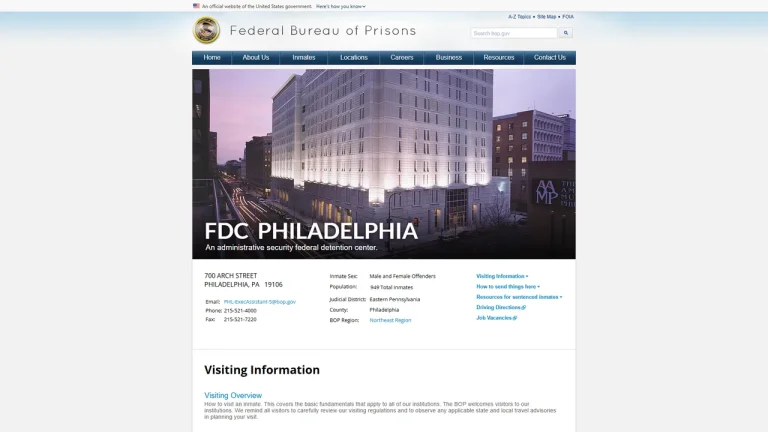
In addition to municipal county facilities, the federal government maintains the Federal Detention Center (FDC Philadelphia) at 700 Arch Street in Center City, housing federal pre-trial detainees facing prosecution in the United States District Court for the Eastern District of Pennsylvania. Individuals arrested throughout Philadelphia neighborhoods-from Kensington and West Philadelphia to South Philadelphia and Roxborough-undergo initial processing and booking through municipal police divisional holding centers before transfer to PDP facilities.
Arraignment and initial bail setting occur under the First Judicial District of Pennsylvania at the Juanita Kidd Stout Center for Criminal Justice on Filbert Street. The Philadelphia Municipal Court Bail Acceptance office processes cash bails around the clock, interfacing directly with State Road institutional intake divisions to coordinate lawful detainee releases.
Facility Intake Procedures, Prerequisites, and Standard Timelines
| Service / Matter | Required Documents / Prerequisites | Statutory Fee (USD) | Processing Timeline |
|---|---|---|---|
| Inmate Locator & Booking Verification | Inmate full legal name, date of birth, or Police Identification (PID) number | $0 statutory fee | Real-time online; 2 - 6 hours during booking |
| Cash Bail Deposit (10% Deposit Rule) | Valid state photo ID, verified CJC docket number, cashier's check or cash | 10% of total bail ($50 - $10,000+ per judicial order) | 4 - 8 hours post-payment for release |
| Attorney In-Person / Video Visitation | PA Supreme Court Bar card, government photo identification, notice of appearance | $0 professional access fee | Scheduled 24 - 48 hours in advance |
| Inmate Trust / Commissary Funding | Inmate PID number, approved electronic deposit portal credentials | $2.50 - $6.95 statutory vendor fee | 12 - 24 hours for account posting |
Critical Legal Deadlines & Statutes in Pennsylvania
Detainee intake and detention duration in Philadelphia are strictly controlled by Commonwealth procedural statutes. Following an arrest, a defendant must be brought before an arraignment court magistrate for preliminary arraignment without unnecessary delay under Pa. R. Crim. P. 540. Incarcerated defendants are entitled to a preliminary hearing within fourteen calendar days of preliminary arraignment pursuant to Pa. R. Crim. P. 542, unless good cause for a continuance is established on the record.
The prompt trial mandate under Pa. R. Crim. P. 600 dictates that an incarcerated individual must be brought to trial within 180 days of the filing of the criminal complaint, excluding excludable pre-trial delay attributable to defense continuances. Detainees held under excessive or unpayable bail may petition the Philadelphia Court of Common Pleas for immediate bail reduction under Pa. R. Crim. P. 529. If detention violates statutory timelines or constitutional standards, counsel may file for emergency release under habeas corpus pursuant to 42 Pa. C.S. § 6502.
Direct Facility Access vs. Criminal Defense Representation
Family members and advocates can manage routine clerical interactions directly with Philadelphia detention facilities without retaining private counsel. Locating an inmate through the PDP lookup system, depositing funds into an inmate commissary account, registering for designated personal visiting slots, and paying standard 10% bail deposits at the Stout Center for Criminal Justice bail counter are straightforward administrative steps handled by the public.
Conversely, legal representation is indispensable when confronting complex detention issues, such as bail reduction hearings, detainer lifts, and medical neglect claims. If an inmate is held on a municipal detainer, state parole violation, or bench warrant from the First Judicial District, private citizens cannot unilaterally secure release. A criminal defense attorney must draft and file a formal Motion to Lift Detainer or Petition for Writ of Habeas Corpus before the Court of Common Pleas, arguing directly before assigned emergency judges to secure pretrial liberation.
Red Flags & Detention Center Scam Warnings
Families attempting to locate or secure the release of loved ones in Philadelphia detention centers must remain vigilant against predatory schemes:
- Unlicensed bail solicitors or predatory runners loitering outside the Juanita Kidd Stout Center for Criminal Justice offering unofficial bail arrangements or unapproved financing rates.
- Deceptive phone calls from individuals impersonating Philadelphia correctional officers demanding immediate funds via prepaid cards or digital wire transfers for inmate medical transport or bond processing.
- Commercial inmate search websites demanding recurring subscription fees to access basic Philadelphia inmate status records that are accessible free on the official city portal.
- Guarantees from non-legal consultants promising immediate release from Curran-Fromhold or PICC without formal judicial bail hearings or court appearances.
Frequently Asked Questions
Where are the primary county detention centers located in Philadelphia?
Most Philadelphia Department of Prisons facilities are situated along the State Road corridor in Northeast Philadelphia, including Curran-Fromhold Correctional Facility (7901 State Rd), Philadelphia Industrial Correctional Center (8301 State Rd), and Riverside Correctional Facility (8151 State Rd). The Federal Detention Center operates in Center City at 700 Arch Street.
How does the 10% cash bail system work in Philadelphia?
Under Pennsylvania procedural rules, when a judge assigns monetary bail with a 10% deposit condition, the individual or surety must deposit exactly ten percent of the full bail sum with the Philadelphia Municipal Court Bail Acceptance office at 1301 Filbert Street to secure release. If court conditions are met, this deposit is returned minus minor administrative fees upon case resolution.
What is the difference between Curran-Fromhold and the Federal Detention Center?
Curran-Fromhold Correctional Facility is a municipal facility operated by the City of Philadelphia for state and county criminal pre-trial defendants. The Federal Detention Center (FDC Philadelphia) is operated by the Federal Bureau of Prisons specifically for individuals charged with federal offenses under the United States District Court for the Eastern District of Pennsylvania.
How can an attorney arrange a legal consultation with an incarcerated client in Philadelphia?
Licensed attorneys admitted to the Pennsylvania Bar can arrange in-person professional visits or secure video conferences by submitting their Pennsylvania Supreme Court identification, valid photo ID, and entry of appearance to the Philadelphia Department of Prisons legal liaison office.
What is the statutory deadline for bringing an incarcerated defendant to trial in Philadelphia?
Under Pa. R. Crim. P. 600, the Commonwealth must bring an incarcerated defendant to trial within 180 days from the filing of the criminal complaint. If this deadline passes without justifiable prosecution delay or defense continuances, counsel can file a motion for immediate dismissal of the charges with prejudice.