
State Agencies in Pennsylvania
Pennsylvania state agencies oversee public records, professional licensing, taxation, and administrative justice across the Commonwealth of Pennsylvania. Accessing departments headquartered in Harrisburg or regional district offices requires following formal administrative rules and statutory filing protocols. Use our comprehensive state directory below to locate authorized department contacts, regulatory boards, and agency portals.
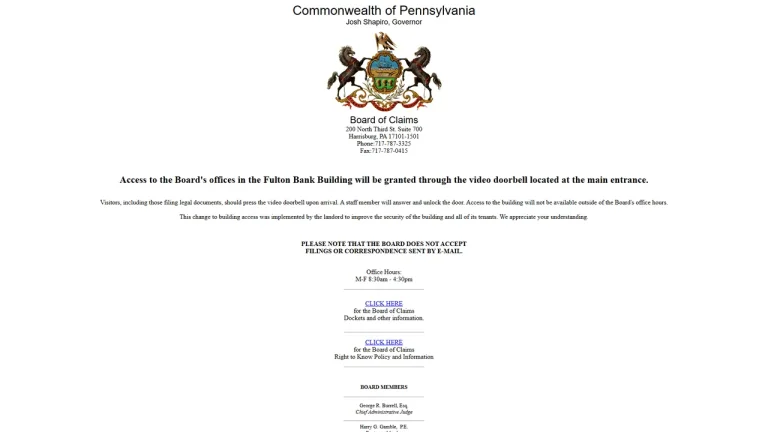
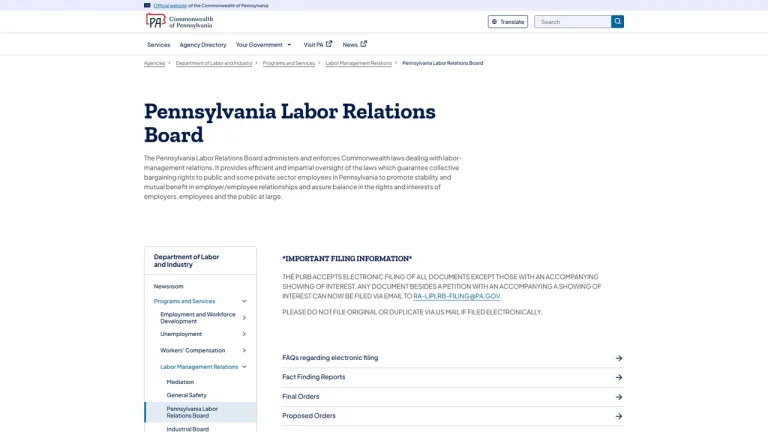
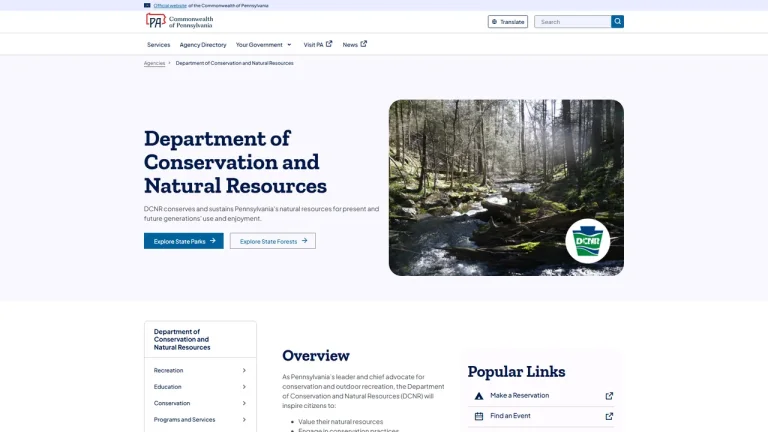
Pennsylvania Department of Conservation and Natural Resources - Harrisburg, PA
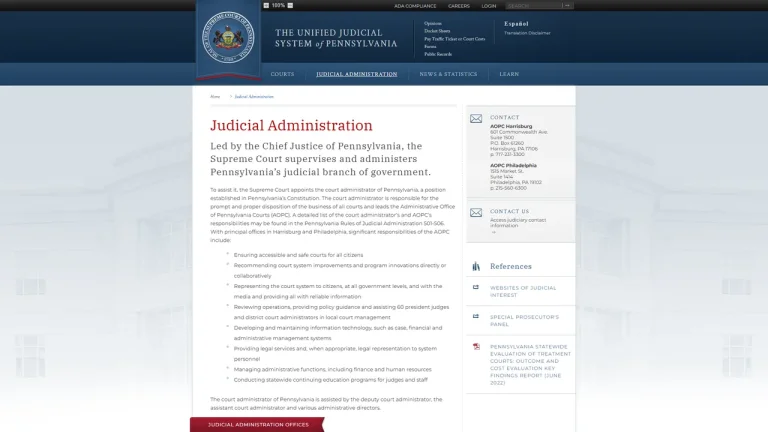
Administrative Office of Pennsylvania Courts - Philadelphia, PA

Pennsylvania Office of Attorney General - Philadelphia, PA
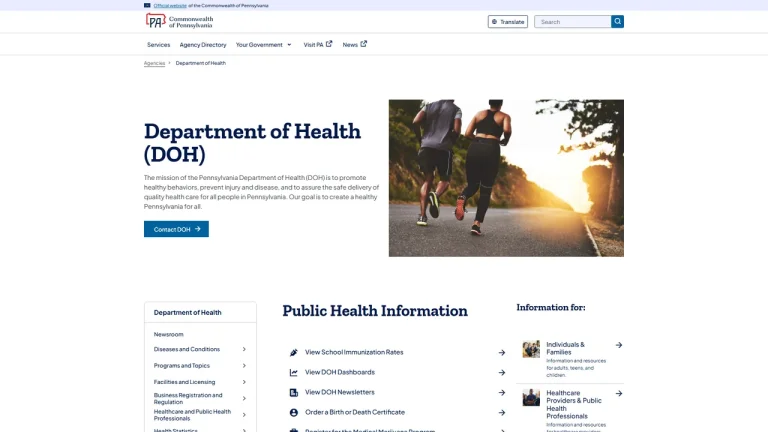
PA Dept of Health - Deputy Secretary for Health Resources and Services - Harrisburg, PA
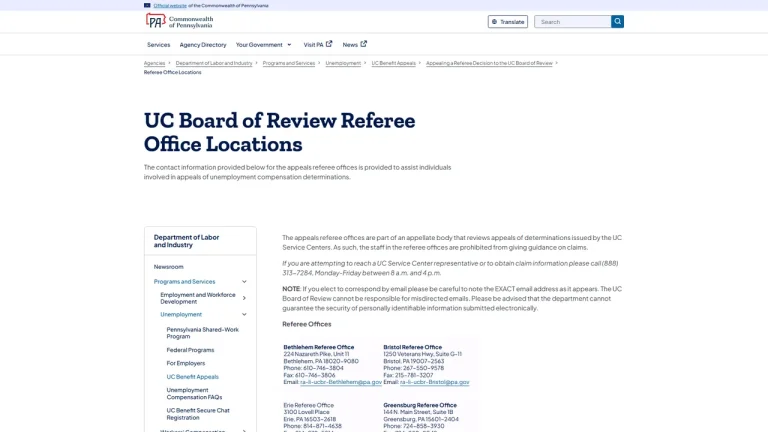
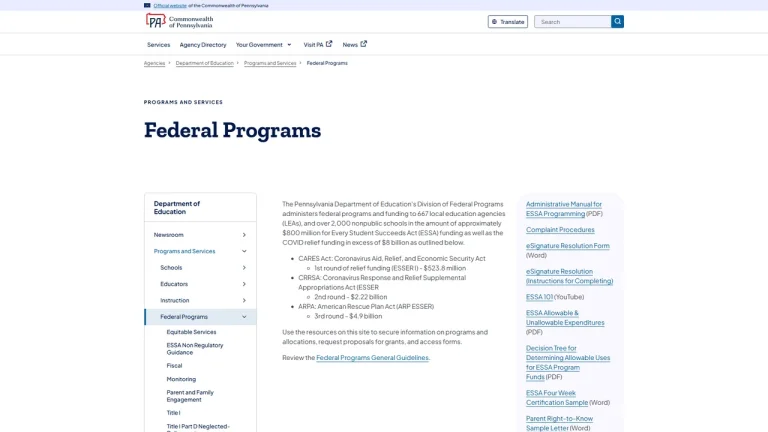
PA Department of Education - Division of Federal Programs - Harrisburg, PA

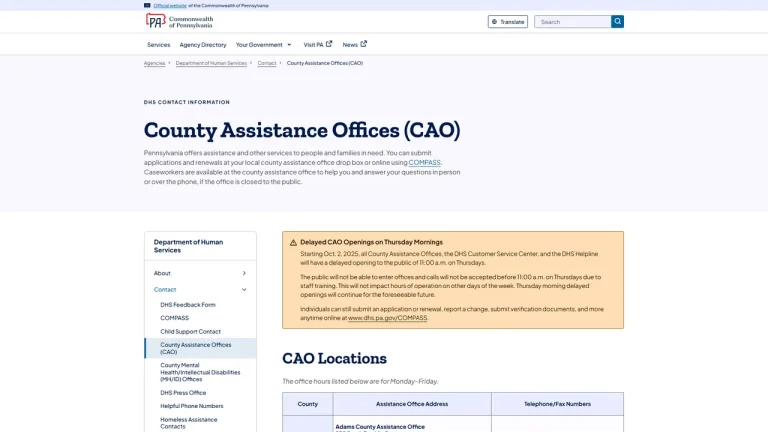
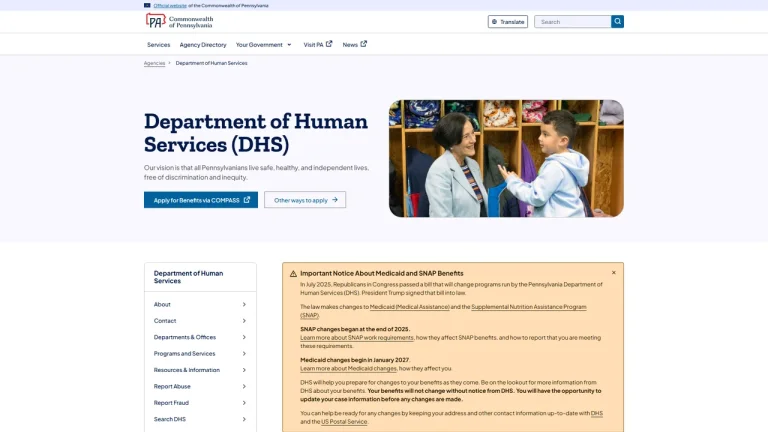

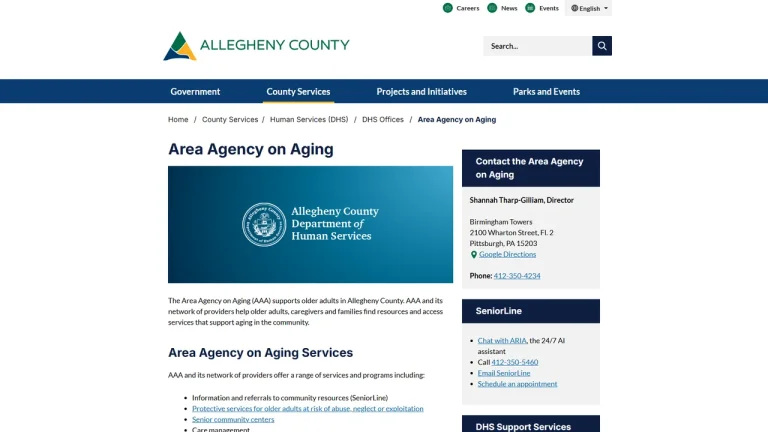
PA Bureau of Child Support Enforcement Pittsburgh Regional Office - Pittsburgh, PA
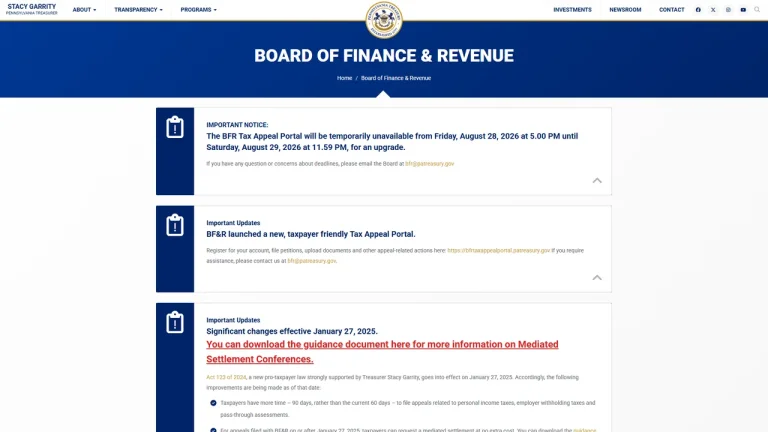
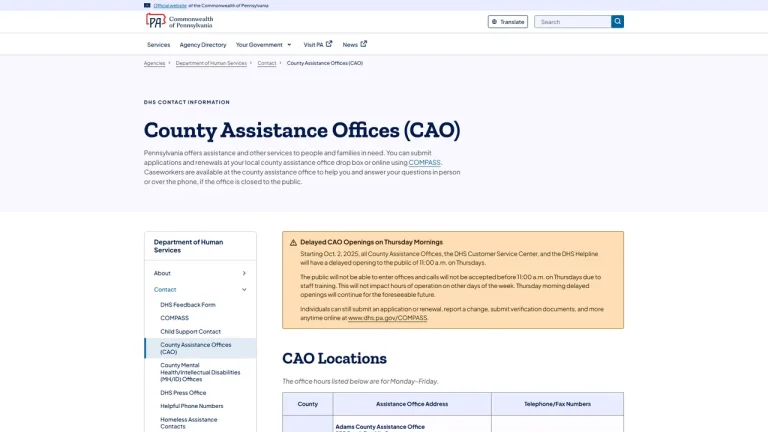
County Assistance Office — Greater Pittsburgh East District - Pittsburgh, PA
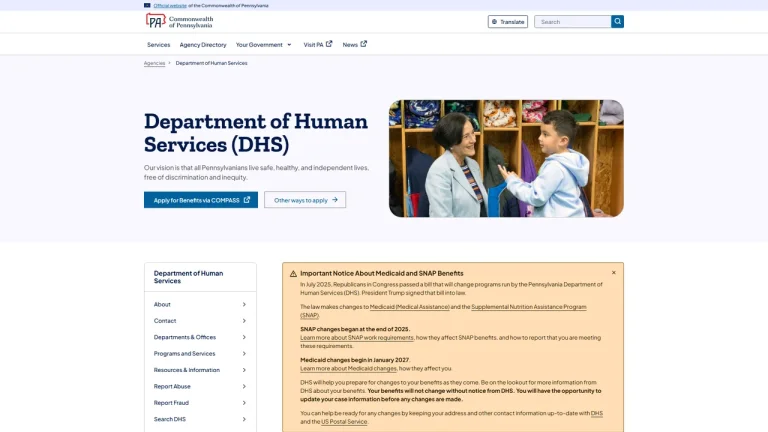
Allegheny County Assistance Office Liberty District - Pittsburgh, PA
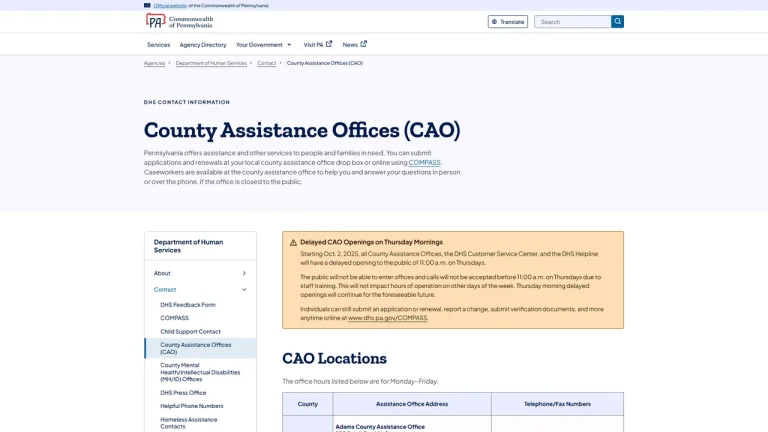
Philadelphia County Assistance Office: Boulevard District - Philadelphia, PA
Commonwealth Executive Structure and Agency Jurisdiction
State agencies in the Commonwealth of Pennsylvania operate under the constitutional authority of the executive branch, established by the Pennsylvania Constitution and the Administrative Code of 1929. The vast majority of department headquarters are centralized within the Pennsylvania State Capitol Complex and the Commonwealth Keystone Building in Harrisburg. To serve residents across all 67 counties, major departments maintain regional district offices in urban hubs including Philadelphia, Pittsburgh, Scranton, and Erie.
These executive agencies govern critical areas of civil life, commerce, and legal regulation throughout the Commonwealth. Key administrative bodies include the Pennsylvania Department of State, which oversees corporate filings, elections, and the Bureau of Professional and Occupational Affairs (BPOA); the Pennsylvania Department of Revenue, administering state taxation; the Department of Environmental Protection (DEP); the Department of Labor & Industry, managing workers compensation and unemployment compensation; and the Office of Attorney General (OAG), safeguarding consumer rights.
Administrative disputes arising from agency determinations do not begin in municipal or standard county trial courts. Instead, contested decisions proceed before specialized administrative law judges or independent review boards, such as the Pennsylvania Environmental Hearing Board or the Board of Finance and Revenue. Final administrative orders are appealed directly to the Commonwealth Court of Pennsylvania, an intermediate appellate court dedicated exclusively to state administrative and governmental law.
Pennsylvania State Agency Administrative Services, Fees, and Timelines
| Service / Matter | Required Documents / Prerequisites | Statutory Fee (USD) | Processing Timeline |
|---|---|---|---|
| Right-to-Know Law (RTKL) Request | Standard statewide RTKL request form, specific record description | $0 ($0.25/page duplication) | 5 business days initial determination |
| Business Entity Formation Filing | Articles of Incorporation or Certificate of Organization, docketing statement | $125 statutory filing fee | 2 to 3 business days online |
| Board of Finance & Revenue Tax Appeal | Formal petition for review, notice of assessment, disputed calculation | $0 (Statutory appeal right) | 6 months statutory decision window |
| Professional License Verification & Renewal | BPOA portal credentials, continuing education credits, renewal filing | $35 to $150 (Varies by board) | 1 to 5 business days electronic |
Critical Legal Deadlines & Statutes in Pennsylvania
Administrative actions involving Pennsylvania executive agencies are subject to rigid statutory deadlines. Under the Pennsylvania Right-to-Know Law, codified at 65 P.S. § 67.901, an Agency Open Records Officer must issue a written determination within five business days of receiving a public records request. If the agency invokes a 30-calendar-day extension under 65 P.S. § 67.902, it must provide a final answer within that timeframe. If a request is denied, the requester has precisely 15 business days to file an appeal with the Pennsylvania Office of Open Records (OOR) pursuant to 65 P.S. § 67.1101.
For taxation disputes, an appeal of an adverse assessment from the Department of Revenue Board of Appeals must be lodged with the Board of Finance and Revenue within 60 days of the mailing date of the decision, as set forth under 72 P.S. § 9702. In government procurement and contract disputes, the Pennsylvania Commonwealth Procurement Code under 62 Pa. C.S. § 1712.1 requires contract controversy claims to be submitted within six months of the date the claim accrued.
Appeals from final determinations of Commonwealth agencies must comply with the Pennsylvania Administrative Agency Law under 2 Pa. C.S. § 702. The petition for review must be filed in the Commonwealth Court of Pennsylvania within 30 days after the entry of the order, as mandated by 42 Pa. C.S. § 763 and Pa. R.A.P. 1512.
Direct Citizen Access vs. Administrative Legal Counsel
The majority of everyday interactions with Pennsylvania state agencies can be managed directly by individuals without legal representation. Citizens can register business entities online through the Pennsylvania Department of State Business Filing Services portal, request public agency records through the Office of Open Records, renew occupational licenses through the Pennsylvania Licensing System (PALS), or submit unemployment compensation claims through the Department of Labor & Industry.
However, when administrative disputes escalate to formal evidentiary hearings or adversarial regulatory proceedings, retaining an attorney licensed by the Supreme Court of Pennsylvania becomes essential. Contested licensing disciplinary hearings before the Bureau of Professional and Occupational Affairs (BPOA), environmental enforcement actions before the Environmental Hearing Board, or formal petitions for review filed in the Commonwealth Court involve complex evidentiary standards and procedural rules. A qualified administrative attorney prepares evidentiary exhibits, examines expert witnesses, and ensures all legal arguments are properly preserved for appellate review.
Red Flags & Consumer Scams Involving State Agency Services
- Beware of unauthorized third-party websites charging $100 or more to obtain certificates of subsistence or file annual business reports that cost standard statutory fees through the Pennsylvania Department of State.
- Do not respond to fraudulent text messages or emails claiming to represent the Pennsylvania Department of Revenue that threaten immediate bank garnishments or asset seizures without formal written notice.
- Never pay non-governmental entities claiming exclusive ability to expedite environmental, gaming, or liquor licenses, as all approvals depend strictly on statutory compliance and board review.
- Verify that any website claiming to process official Pennsylvania state government business utilizes an authentic pa.gov domain rather than commercial suffixes.
Frequently Asked Questions
Where is the primary headquarters of Pennsylvania state agencies?
Most Pennsylvania Commonwealth agencies are headquartered in Harrisburg, Pennsylvania, primarily within the State Capitol Complex, the Commonwealth Keystone Building, and surrounding executive state office facilities.
What is the role of the Commonwealth Court of Pennsylvania in agency decisions?
The Commonwealth Court of Pennsylvania is a specialized statewide appellate court with exclusive jurisdiction over civil actions against the state government and appeals from decisions rendered by Pennsylvania state administrative agencies.
How do I submit an official Right-to-Know request to a Pennsylvania state department?
You must complete the standard Pennsylvania Office of Open Records (OOR) request form and submit it directly to the designated Agency Open Records Officer (AORO) of the specific state department via mail, email, or online web portal.
How can I verify if a professional license is active and valid in Pennsylvania?
Professional licenses can be verified online through the Pennsylvania Licensing System (PALS) managed by the Pennsylvania Department of State Bureau of Professional and Occupational Affairs.
What should I do if a state agency issues an adverse administrative determination?
You must review the notice for statutory appeal instructions, as most administrative determinations must be appealed within 30 days to an independent administrative board or the Commonwealth Court of Pennsylvania to prevent forfeiture of your legal claims.