
County & City Agencies in New Jersey
Accessing county and city agencies in New Jersey requires navigating municipal ordinances, county boards of commissioners, and local administrative departments. Engaging with the appropriate municipal clerk or county official ensures that permits, property records, and public filings are processed properly. Explore our directory below to locate verified New Jersey county offices, municipal agencies, and local government contacts.
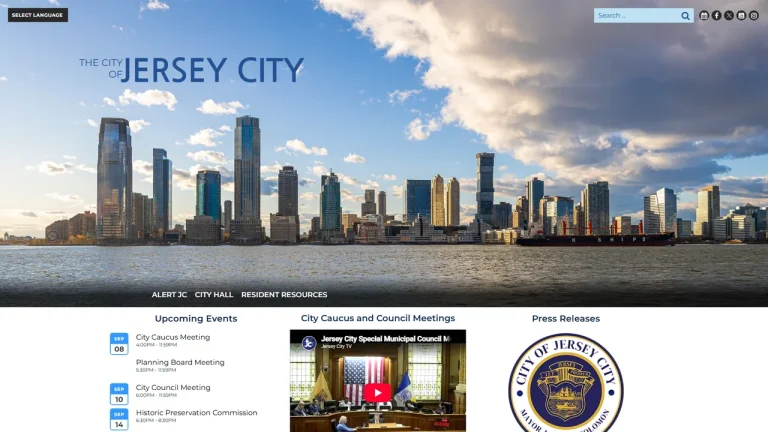


Jersey City Department of Public Safety - Jersey City, NJ
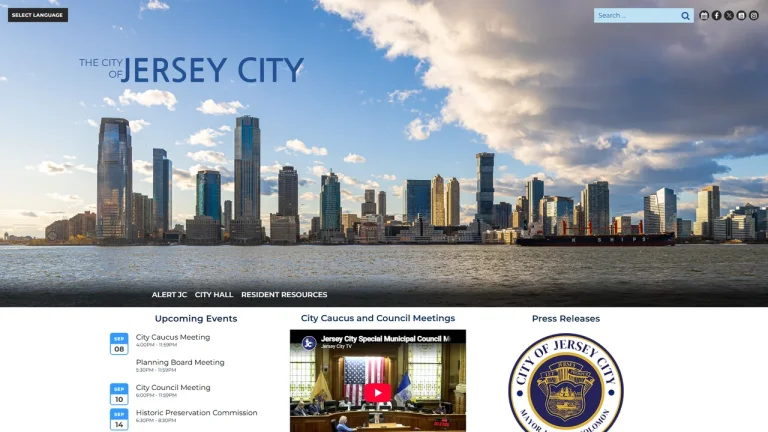

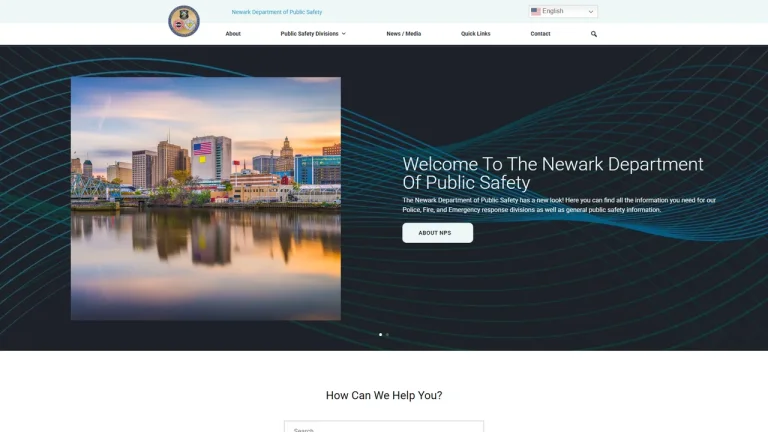
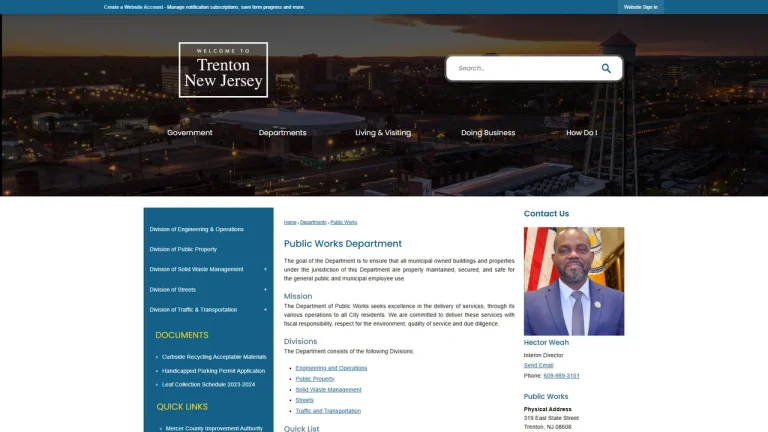
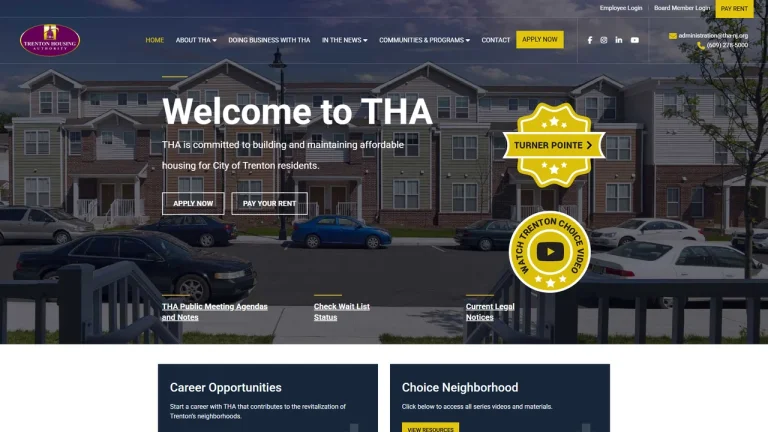

Jersey City Housing Authority - Arlington Gardens - Jersey City, NJ

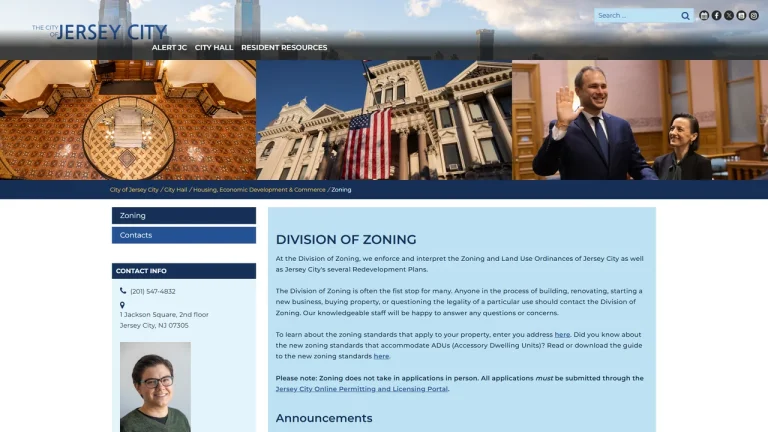
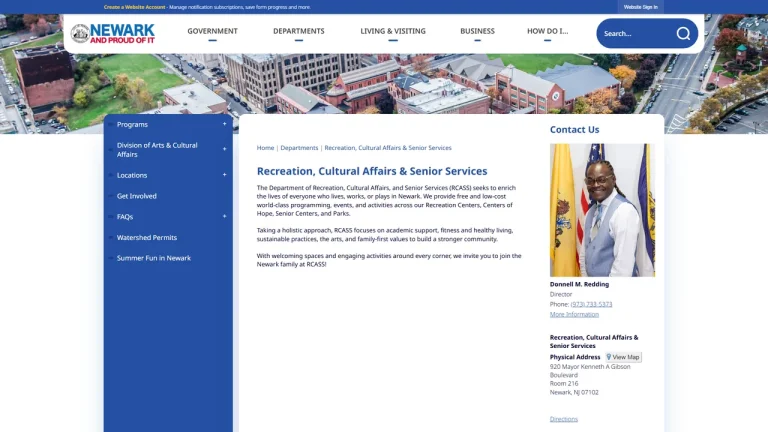
Department of Recreation, Cultural Affairs & Senior Services - Newark, NJ

Newark Health Department - Division of Ryan White HIV/AIDS - Newark, NJ
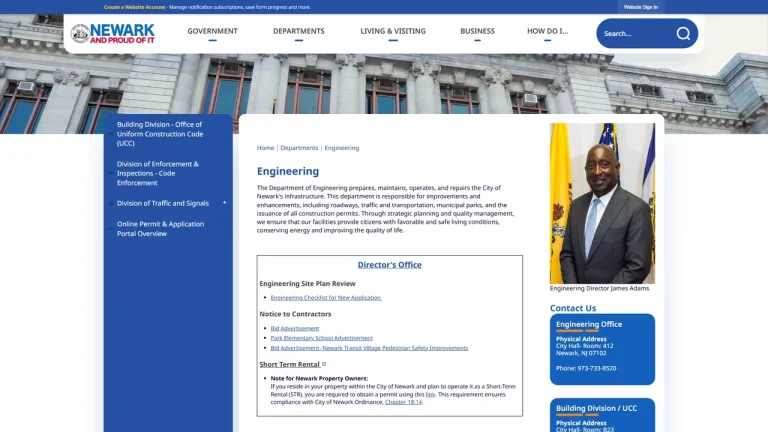

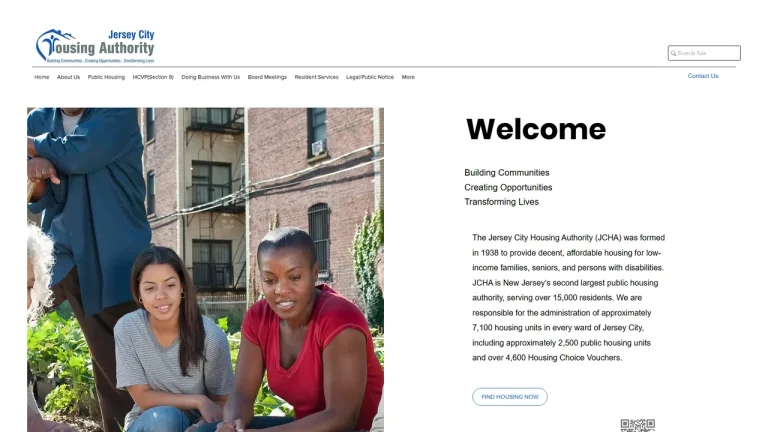
Jersey City Housing Authority (Boyd McGuiness) - Jersey City, NJ
County & Municipal Governance Structure in New Jersey
Local government in the State of New Jersey is structured through twenty-one counties and 564 independent municipalities, comprising cities, townships, boroughs, towns, and villages. At the county level, executive and legislative governance is exercised by an elected Board of County Commissioners pursuant to N.J. Stat. Ann. § 1:1-2. Each county also elects constitutional officers who direct vital administrative operations: the County Clerk, the County Surrogate, and the County Sheriff. Major regional county administrative hubs include Bergen County in Hackensack, Essex County in Newark, Hudson County in Jersey City, Middlesex County in New Brunswick, and Camden County in Camden.
At the municipal tier, local authorities operate under various statutory frameworks, such as the Faulkner Act codified at N.J. Stat. Ann. § 40:69A-1, establishing Mayor-Council or Council-Manager administrations. Municipal Clerks serve as administrative custodians of municipal ordinances, local licensing, and open records. Local planning boards and zoning boards of adjustment (ZBA) govern commercial and residential land development pursuant to the New Jersey Municipal Land Use Law (MLUL), while construction code officials enforce the Uniform Construction Code (UCC).
In addition, New Jersey maintains an extensive Municipal Court system operating under the supervisory authority of the New Jersey Supreme Court. Municipal courts exercise jurisdiction over traffic violations, local ordinance infractions, and petty and disorderly persons offenses. Interacting with local agencies requires a clear understanding of the division of responsibilities between municipal departments and countywide authorities.
New Jersey Local Agency Services & Statutory Fee Schedules
| Service / Matter | Required Documents / Prerequisites | Statutory Fee (USD) | Processing Timeline |
|---|---|---|---|
| County Tax Board Property Assessment Appeal | Form A-1 petition of appeal, proof of comparable sales, tax records | $5.00 to $150.00 (graduated scale based on assessed valuation) | April 1 statutory annual filing deadline |
| Municipal Zoning Variance Application (Use Variance) | Detailed site plan, architectural blueprints, environmental report, public notice | $500.00 to $2,500.00 (plus professional review escrow) | 120 calendar days for board decision |
| County Surrogate Probate of Will | Original Last Will and Testament, certified death certificate, asset list | $100.00 to $250.00 base statutory probate fee | Minimum 10-day statutory waiting period |
| Municipal Building Permit Application (UCC) | Technical construction drawings, licensed contractor seals, UCC forms | $75.00 base administrative fee (plus volume-based fees) | 20 business days for plan review |
Critical Legal Deadlines & Statutes in New Jersey
Engaging with county and municipal agencies in New Jersey involves strict statutory limitation periods:
Real property assessment appeals before the County Board of Taxation are governed by N.J. Stat. Ann. § 54:3-21, which establishes an unbending annual deadline of April 1 (or May 1 for municipalities undergoing a municipal-wide revaluation); failure to file by this statutory deadline permanently forfeits the right to challenge that tax year's assessment.
Under the New Jersey Municipal Land Use Law, codified at N.J. Stat. Ann. § 40:55D-76, a municipal zoning board of adjustment must grant or deny an application for a use variance under subsection d of N.J. Stat. Ann. § 40:55D-70 within 120 days of the submission of a complete application, or the application is statutorily deemed approved.
Appeals challenging a final decision of a municipal Planning Board or Zoning Board of Adjustment must be filed in the Superior Court of New Jersey, Law Division, through an action in lieu of prerogative writs within 45 days of the publication of the board's decision pursuant to New Jersey Court Rule 4:69-6.
Probate administration before the County Surrogate is governed by N.J. Stat. Ann. § 3B:3-22, which mandates that no Last Will and Testament may be formally admitted to probate until 10 full days have elapsed following the death of the testator.
Local open records requests submitted to municipal clerks or county records custodians must be processed within 7 business days under N.J. Stat. Ann. § 47:1A-5.
Direct Municipal Engagement vs. Retaining Municipal Legal Counsel
Citizens can independently resolve numerous administrative matters before county and city agencies. Obtaining certified copies of marriage or death records from the Municipal Clerk, probating an uncontested will before the County Surrogate, recording residential deeds with the County Clerk, or paying routine traffic tickets through the municipal court online portal can be accomplished without legal counsel.
Conversely, presenting applications before municipal Planning Boards or Zoning Boards of Adjustment involves complex evidentiary standards. Crucially, under New Jersey Court Rule 1:21-1(c), business entities-including limited liability companies (LLCs), corporations, and partnerships-are legally prohibited from appearing pro se and must be represented by an attorney admitted to the New Jersey State Bar before all land use boards.
Retaining land use and municipal legal counsel ensures compliance with the Municipal Land Use Law, coordinates licensed expert testimony from professional planners and engineers, establishes statutory negative and positive criteria under N.J. Stat. Ann. § 40:55D-70, and prepares an admissible verbatim hearing record to withstand prerogative writ litigation in the Superior Court.
New Jersey Local Government Scams & Red Flags
Property owners and residents in New Jersey should remain watchful against misleading services targeting local administrative procedures:
- Predatory Property Tax Appeal Solicitations: Unofficial firms send aggressive mailers to homeowners promising guaranteed property tax assessment reductions in exchange for large upfront retainers; property owners can file standard appeals directly with their County Board of Taxation using Form A-1 for nominal filing fees.
- Overpriced Certified Deed Services: Private companies solicit new homeowners with official-looking letters offering to secure a certified copy of their deed for up to $95.00; certified copies can be obtained directly from your County Clerk for standard statutory fees of a few dollars.
- Unlicensed Land Use Expeditors: Be cautious of non-attorney consultants promising backchannel variance approvals or planning board clearances; all variance relief requires formal public hearings with statutory notice to property owners within 200 feet.
- Municipal Court Payment Scams: Fraudsters send fraudulent text messages alleging unpaid municipal parking tickets or automated traffic camera citations; always verify summons numbers directly through the New Jersey Municipal Court online payment system (NJMCdirect).
Frequently Asked Questions
What is the deadline to appeal a property tax assessment in New Jersey?
Pursuant to N.J. Stat. Ann. § 54:3-21, the standard statutory deadline to appeal a property tax assessment before the County Board of Taxation is April 1 of the tax year. In municipalities that have implemented a municipal-wide revaluation or reassessment, the deadline is extended to May 1. If the assessed property value exceeds $1,000,000, the appeal may be filed directly with the Tax Court of New Jersey.
What is the function of the County Surrogate in New Jersey?
The County Surrogate is an elected constitutional officer who serves as judge of the Surrogate's Court. The Surrogate possesses jurisdiction over the probate of wills, appointment of estate administrators, and establishment of guardianship for minors and incapacitated persons. If a dispute or caveat arises, the matter is transferred to the Superior Court, Chancery Division, Probate Part.
Can a corporate business owner represent their company before a New Jersey zoning board?
No. Under New Jersey Court Rule 1:21-1(c), business entities, including corporations and limited liability companies, cannot represent themselves before municipal planning boards or zoning boards of adjustment. They must be represented by an attorney licensed by the New Jersey State Bar.
What is the difference between a "c" variance and a "d" variance in New Jersey?
Under the Municipal Land Use Law (N.J. Stat. Ann. § 40:55D-70), a "c" variance involves bulk zoning regulations, such as setbacks, lot dimensions, and building height restrictions. A "d" variance, or use variance, permits a use or structure in a zoning district where that use is otherwise prohibited, requiring enhanced proof of special reasons and a supermajority vote by the Zoning Board of Adjustment.
How do I challenge a municipal planning or zoning board decision in court?
An aggrieved party must file an action in lieu of prerogative writs in the Superior Court of New Jersey, Law Division, in the county where the municipality is situated. Under New Jersey Court Rule 4:69-6, the lawsuit must be filed within 45 days after the board's memorializing resolution is officially published in an authorized local newspaper.