
State Agencies in New York City
Accessing New York State agencies in New York City allows residents and business operators to file administrative petitions, resolve tax controversies, and protect civil rights under state law. Understanding regional agency jurisdictions across the five boroughs ensures your filings comply with strict statutory deadlines and notice requirements. Explore our comprehensive directory below to locate verified contact details, office locations, and procedural guidelines for New York State administrative offices.




New York State Department of Veterans' Services - New York, NY
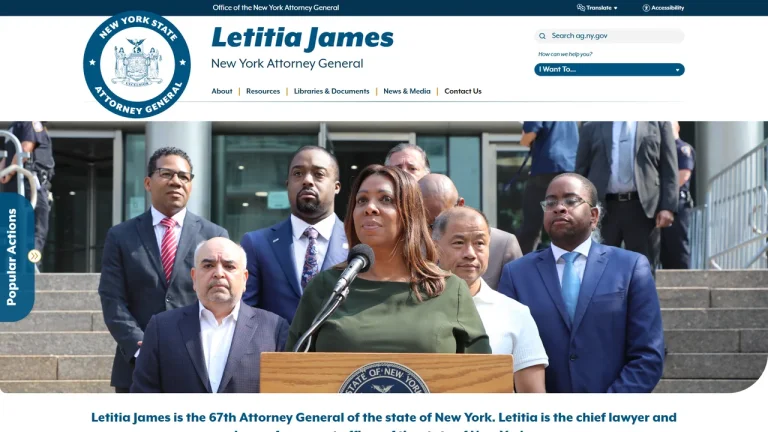


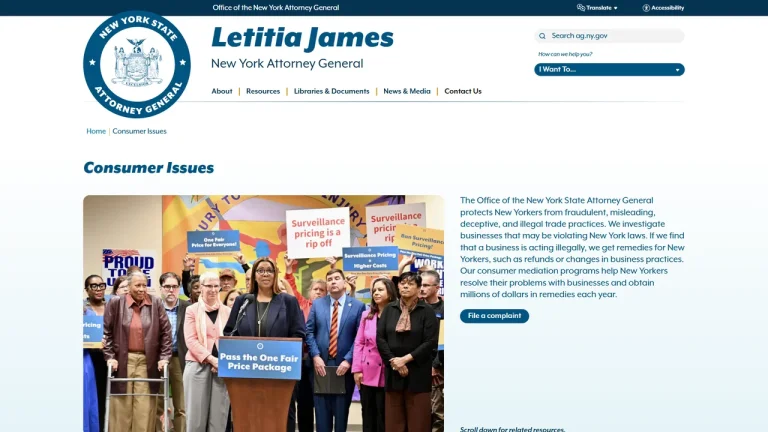


DMV Traffic Violations Bureau (TVB) Manhattan South - New York, NY
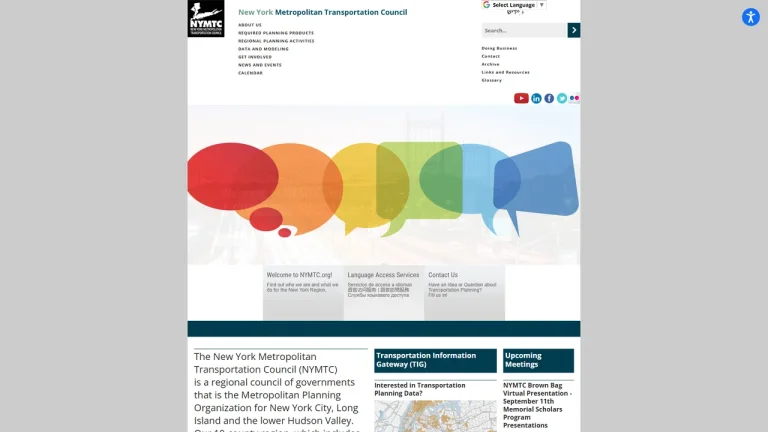
New York Metropolitan Transportation Council (NYMTC) - New York, NY
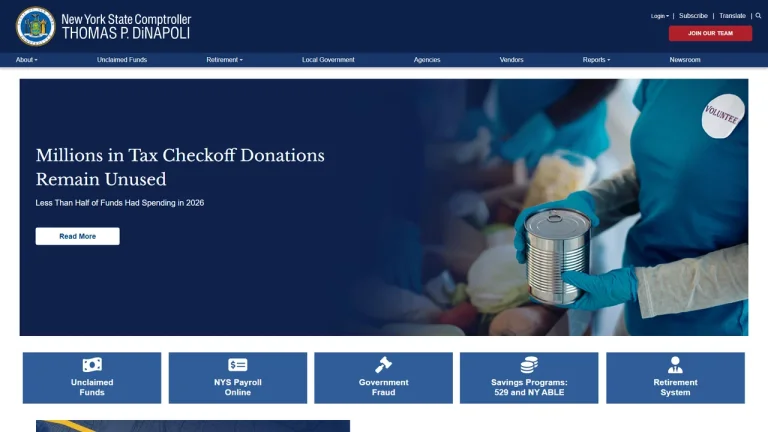

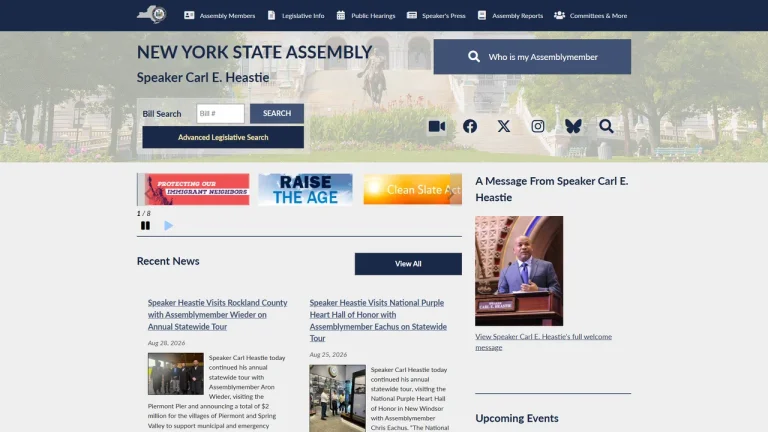


New York State Agency Jurisdiction and Public Access in New York City
New York State administrative agencies maintain major regional offices throughout New York City to enforce state regulations and serve millions of residents across New York, Kings, Queens, Bronx, and Richmond counties. From central executive offices in Lower Manhattan and Midtown to the Shirley A. Chisholm State Office Building in Brooklyn and regional hubs in Jamaica and Harlem, state bodies govern critical statutory protections.
Key state agencies-including the New York State Department of Labor, the Division of Human Rights, the Workers Compensation Board, and the Department of Taxation and Finance-operate under the New York State Administrative Procedure Act. These regulatory entities oversee professional and occupational licensing, adjudicate workplace discrimination claims, manage wage disputes, and enforce statutory tax compliance.
Whether you are submitting an administrative petition, requesting public records under the Freedom of Information Law, or defending against a state regulatory enforcement proceeding, knowing which regional office possesses supervisory jurisdiction over your borough is vital for avoiding administrative dismissals and preserving statutory appeal rights.
Common New York State Agency Services and Filing Procedures
| Service / Matter | Required Documents / Prerequisites | Statutory Fee (USD) | Processing Timeline |
|---|---|---|---|
| Freedom of Information Law (FOIL) Request | Written request identifying records, requester contact details, agency portal submission | $0 ($0.25 per paper copy page) | 5-day acknowledgment; 20-day determination |
| Division of Human Rights (DHR) Complaint | Verified complaint form, supporting evidence of unlawful discrimination, witness details | $0 (No filing fee) | 180-day preliminary investigation period |
| Department of Taxation Conciliation Conference | Form CMS-1, copy of statutory Notice of Deficiency or Assessment, power of attorney | $0 (No statutory fee) | 30 to 90 days for conference scheduling |
| Professional / Occupational License Filing (DOS) | Completed application, criminal background disclosures, qualifying examination verification | $40 - $150 (Statutory state fee) | 4 to 8 weeks for administrative processing |
Critical Legal Deadlines & Statutes in New York
Administrative actions involving New York State agencies are governed by rigid statutory timetables. Under N.Y. C.P.L.R. § 217, an Article 78 proceeding seeking judicial review of an adverse state agency determination must be initiated in the New York State Supreme Court within four months of the determination becoming final and binding.
Access to state government records is controlled by the New York Freedom of Information Law codified at N.Y. Pub. Off. Law § 89. Agencies must formally acknowledge receipt of a FOIL request within five business days, and any subsequent administrative appeal of a denial must be submitted within thirty calendar days.
Parties alleging unlawful discriminatory practices in housing, public accommodations, or employment must observe strict filing deadlines under N.Y. Exec. Law § 297, requiring administrative complaints to be submitted within one year of the incident, or within three years for employment sexual harassment claims. For state tax disputes, taxpayers receiving an assessment must file for a conciliation conference or petition the Division of Tax Appeals within ninety days pursuant to N.Y. Tax Law § 170.
Direct Agency Access vs. Legal Counsel
Citizens and corporate representatives routinely engage directly with New York State agencies for standard transactions. Filing a routine FOIL request, renewing an active occupational license through the Department of State, or submitting an initial unemployment insurance application can readily be handled pro se using state electronic portals.
However, when administrative proceedings advance to formal adjudications before an Administrative Law Judge (ALJ), retaining an administrative law attorney becomes critical. Evidentiary hearings before the Workers Compensation Board, formal professional disciplinary prosecutions by the Department of State, and tax controversies before the Tax Appeals Tribunal follow complex rules of evidence and statutory construction.
Moreover, challenging an agency ruling in the New York State Supreme Court requires the commencement of an Article 78 proceeding under the Civil Practice Law and Rules. Self-represented litigants frequently suffer summary dismissals due to failure to exhaust administrative remedies or miscalculating the non-extendable four-month limitation period.
Common Red Flags & Regulatory Warnings in New York City
- Deceptive Commercial Portals: Private websites that mimic official state government portals using misleading URLs to charge fees for free state forms, records requests, or agency appointments.
- Unlicensed Agency Representatives: Non-attorneys soliciting clients to represent them in administrative hearings or disciplinary reviews without verified statutory authorization or legal credentials.
- Forfeiting Article 78 Deadlines: Miscalculating the strict four-month statute of limitations under N.Y. C.P.L.R. § 217 while pursuing informal correspondence with agency personnel rather than filing timely legal petitions.
- Unauthorized Expediter Promises: Intermediaries promising guaranteed approvals, license reinstatements, or expedited audit relief from state regulators in exchange for illicit processing fees.
Frequently Asked Questions
Where are the primary New York State agency offices located in New York City?
Major New York State executive offices are concentrated in Lower Manhattan and Midtown Manhattan, as well as the Shirley A. Chisholm State Office Building at 55 Hanson Place in Brooklyn, with regional satellite facilities located in Jamaica, Queens, and the South Bronx.
What is an Article 78 proceeding in New York?
An Article 78 proceeding, governed by Article 78 of the New York Civil Practice Law and Rules, is the formal judicial mechanism used to appeal final decisions of state and local administrative bodies, challenge arbitrary and capricious agency rulings, or compel an agency officer to perform a statutory duty.
How do I submit a Freedom of Information Law request to a New York State agency?
Under N.Y. Pub. Off. Law § 89, you can submit a FOIL request in writing directly to the designated Records Access Officer of the specific state department or through the New York State online Open FOIL portal, providing a reasonably detailed description of the records sought.
What is the deadline to appeal an adverse New York State agency decision?
Internal administrative appeal deadlines vary by agency, typically ranging from fifteen to thirty days from the decision date. Once all administrative remedies are exhausted, an Article 78 petition must be filed in New York State Supreme Court within four months pursuant to N.Y. C.P.L.R. § 217.
Can an attorney represent me at a New York State administrative hearing?
Yes, individuals and business entities have the right under the New York State Administrative Procedure Act to be represented by licensed legal counsel in administrative hearings, disciplinary actions, license revocation proceedings, and appeals before state tribunals.