
State Agencies in Connecticut
Locate Connecticut state executive departments, public regulatory commissions, and administrative offices across the state. Interacting with state governmental bodies requires compliance with strict administrative codes and statutory procedural rules. Explore our directory below to find official contact information, operational hours, and public service resources.


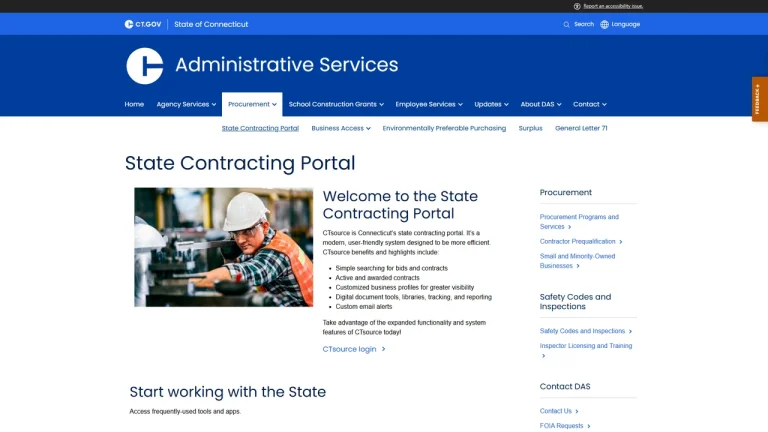
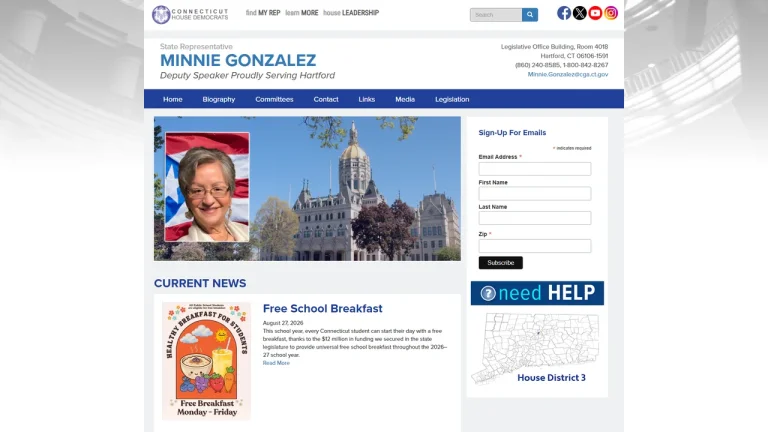
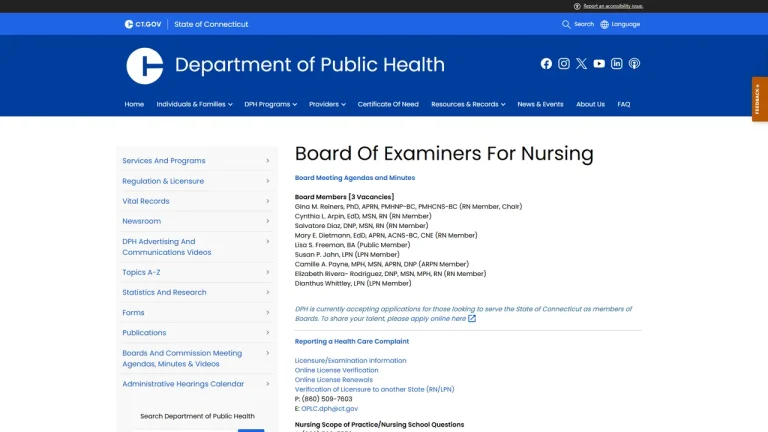
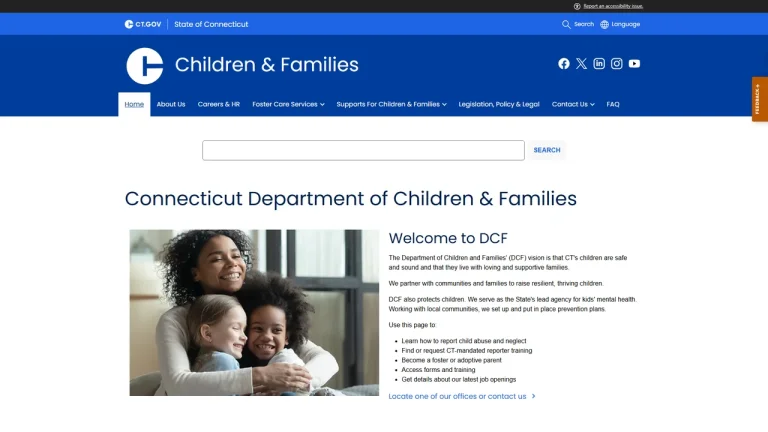
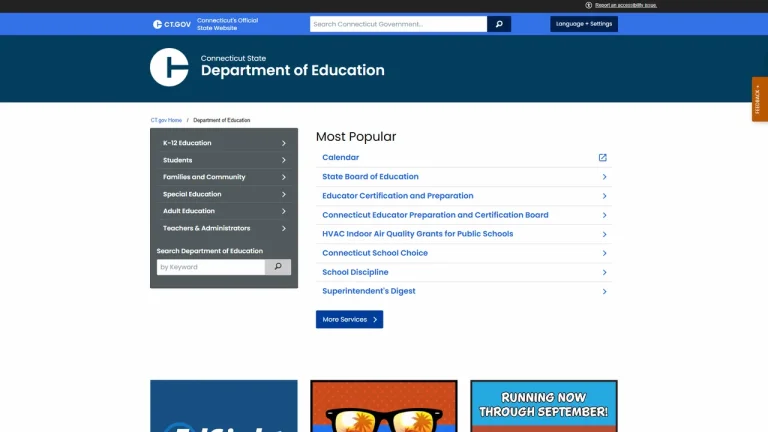
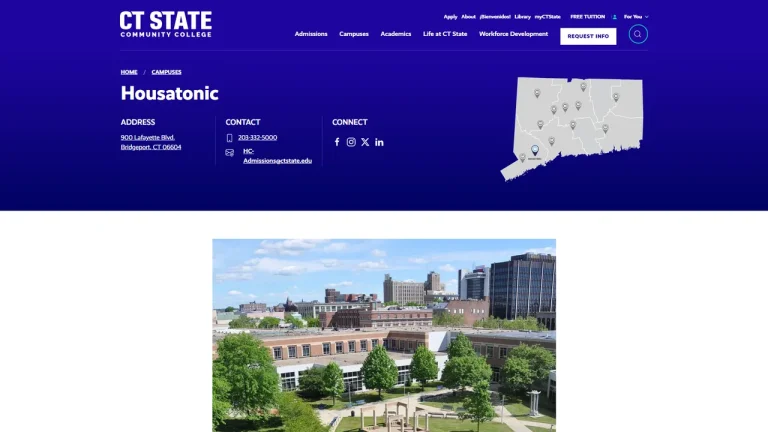
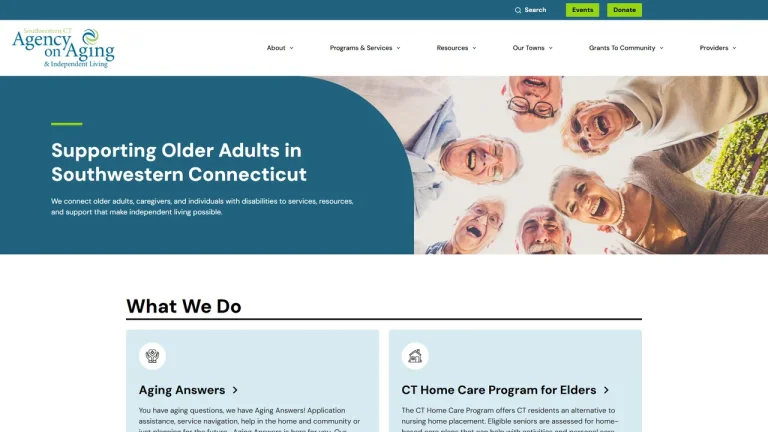

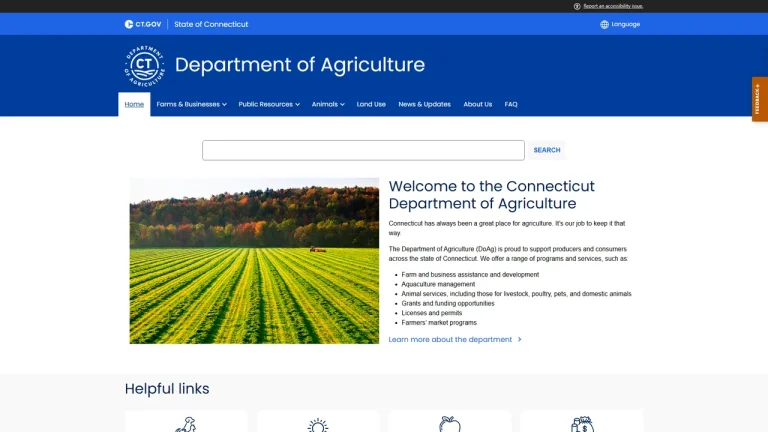
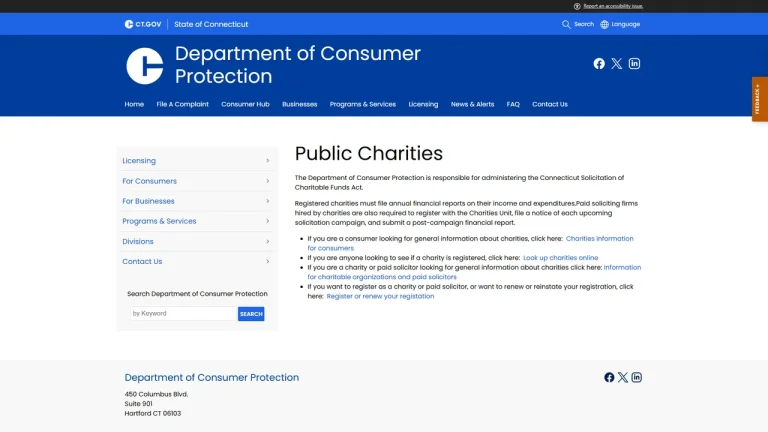
CT Dept of Agriculture - Bureau of Regulatory Services - Hartford, CT
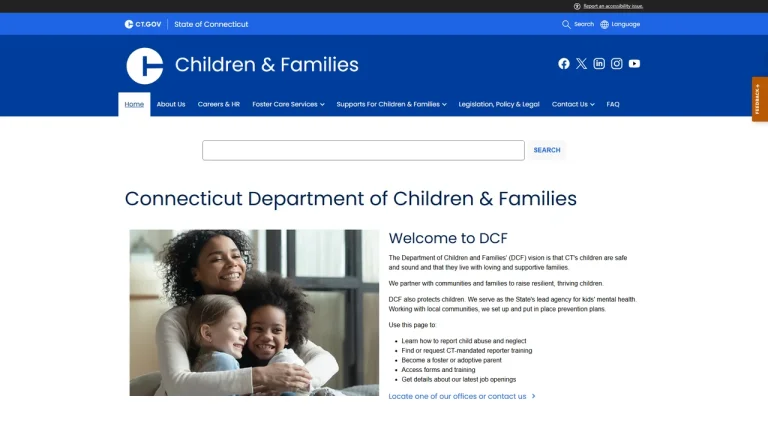



The Role and Jurisdiction of Connecticut State Agencies
Connecticut executive branch agencies carry out the statutory mandates established by the Connecticut General Assembly, regulating public health, environmental safety, taxation, commercial enterprises, and civil rights throughout the state. Most state administrative departments maintain their primary headquarters within the state capital of Hartford, with regional branch offices serving residents in New Haven, Bridgeport, Stamford, Waterbury, and Norwich.
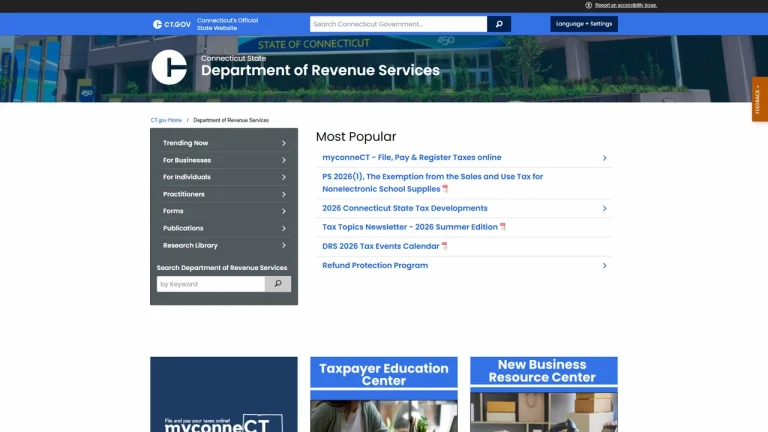
Key regulatory and operational bodies include the Department of Motor Vehicles (CT DMV) headquartered in Wethersfield, the Department of Revenue Services (DRS), the Department of Public Health (DPH), the Department of Energy and Environmental Protection (DEEP), and the Commission on Human Rights and Opportunities (CHRO). The Connecticut Judicial Branch provides integrated court administrative resources and case records through its Judicial Branch E-Services system, linking superior courts across all judicial districts.
Administrative decision-making across these departments is controlled by the Connecticut Uniform Administrative Procedure Act (UAPA). From applying for vital health certificates at the State Vital Records Office in Hartford to lodging commercial tax appeals through the DRS myconneCT portal, following designated administrative channels preserves vital legal rights and prevents statutory forfeitures.
Common Connecticut State Agency Services, Requirements, and Fees
| Service / Matter | Required Documents / Prerequisites | Statutory Fee (USD) | Processing Timeline |
|---|---|---|---|
| State Certified Vital Record (CT DPH) | Valid government-issued photo ID, proof of eligibility or direct lineage, and completed application form | $20 per certified copy (state office) | 4 to 6 weeks mail; expedited options available |
| Driver's License Renewal / REAL ID (CT DMV) | Current license, two proofs of Connecticut residency, identity verification, and Social Security documentation | $72 for standard 6-year renewal; $96 for 8-year | Same-day appointment; card mailed within 20 days |
| Administrative Tax Appeal (CT DRS) | Formal petition letter, notice of assessment, statement of grievances, and relevant financial audit schedules | $0 filing fee to DRS Appellate Division | 60 days statutory window to file; review varies |
| Notice of Claim Against the State | Notice of claim detailing concise statement of facts, alleged monetary damages, and statutory basis | $50 statutory filing fee to Claims Commissioner | 1 to 2 years for hearing and recommendation |
Critical Legal Deadlines & Statutes in Connecticut
Administrative processes across Connecticut state agencies are governed by rigid statutory time limits. Under the Connecticut Freedom of Information Act, codified at Conn. Gen. Stat. § 1-206, public agencies must respond to an inspection or copying request within 4 business days. If access is denied, an administrative appeal must be filed with the Connecticut Freedom of Information Commission within 30 calendar days of the denial notice.
Appealing an adverse final decision from an executive agency-such as DEEP or the Department of Public Health-is governed by the Connecticut Uniform Administrative Procedure Act. Under Conn. Gen. Stat. § 4-183, an aggrieved party must file an administrative appeal in the Connecticut Superior Court and serve all parties of record within 45 calendar days after the agency mails its final decision. Failure to satisfy this 45-day deadline deprives the Superior Court of subject-matter jurisdiction.
Monetary claims against the state government are restricted by sovereign immunity. Under Conn. Gen. Stat. § 4-142 and Conn. Gen. Stat. § 4-148, claimants seeking monetary recovery for torts or contract breaches must file a formal notice of claim with the Office of the Claims Commissioner within 1 year after the claim accrues. For workplace or housing discrimination grievances, a formal administrative complaint must be submitted to the Commission on Human Rights and Opportunities within 300 calendar days of the alleged discrimination pursuant to Conn. Gen. Stat. § 46a-82.
Self-Service Administrative Filings vs. Legal Representation
Connecticut citizens can resolve many routine agency procedures without an attorney. Processing vehicle registrations through the DMV, registering an LLC on the Secretary of the State's business services system, requesting vital statistics from the Department of Public Health, or filing standard unemployment claims through the Department of Labor are designed for direct public access via self-guided digital platforms.
In contrast, retaining experienced legal counsel becomes critical when facing contested administrative hearings or adverse agency enforcement actions. Professional license defense before Department of Public Health examining boards, complex corporate tax assessments contested before the DRS Appellate Division, formal permit appeals before DEEP hearing officers, or petitioning the Claims Commissioner under Conn. Gen. Stat. § 4-142 require rigorous statutory interpretation and formal evidence presentation. Retaining counsel ensures compliance with administrative procedure codes and properly preserves administrative trial records for subsequent review by the Connecticut Superior Court or Connecticut Supreme Court.
Red Flags and Verification Guidelines for State Agency Services
- Private commercial entities using deceptive domains that mimic the official ct.gov state portal to charge recurring membership fees or inflated surcharges for standard DMV appointments or state forms.
- Unsolicited text messages, phone calls, or emails claiming to represent the Connecticut Department of Revenue Services (DRS) demanding immediate wire payments to resolve fabricated delinquent tax liabilities.
- Third-party permit expeditors or consulting brokers claiming guaranteed approvals or insider influence before administrative agencies like DEEP or municipal health divisions without verified statutory filings.
- Requests for sensitive personal identifiers, bank routing numbers, or credit card details submitted outside of encrypted state portals such as CT Judicial Branch E-Services or DRS myconneCT.
Frequently Asked Questions
How do I submit a formal public records request to a Connecticut state department?
Under the Connecticut Freedom of Information Act, requests should be delivered in writing directly to the designated records officer or communications division of the specific state department. Under Conn. Gen. Stat. § 1-206, the agency must provide access or a response within 4 business days. Requesters can appeal denials to the Freedom of Information Commission in Hartford.
What is the process for appealing a final decision by a Connecticut state agency?
Under the Uniform Administrative Procedure Act codified at Conn. Gen. Stat. § 4-183, an appeal of a final administrative decision must be served upon the agency and filed with the Connecticut Superior Court within 45 days of the mailing date of the decision. Because the deadline is jurisdictional, failure to meet it leads to mandatory dismissal.
Can I file a direct lawsuit against a Connecticut state agency for monetary damages?
Generally, sovereign immunity prevents direct lawsuits against Connecticut state agencies for monetary damages unless the state has explicitly waived immunity. Under Conn. Gen. Stat. § 4-142, claimants must first present a notice of claim to the Office of the Claims Commissioner, which evaluates the claim or grants permission to sue in the Connecticut Superior Court.
Where can I verify the status of a professional license in Connecticut?
Professional licenses-including healthcare, legal, real estate, and trade licenses-can be verified online through the Connecticut eLicense portal operated by the Department of Public Health (DPH) and the Department of Consumer Protection (DCP). The database shows active license statuses, expiration dates, and any formal public disciplinary orders.
How can I confirm that a notice from a Connecticut state agency is legitimate?
Official communications from Connecticut state agencies originate from email addresses ending in ct.gov or arrive through standard mail with official agency letterhead, citing applicable provisions of the Connecticut General Statutes. You can verify validity by contacting the department directly using phone numbers listed on their verified ct.gov homepage.