
Public Records & Filing Offices in Massachusetts
Accessing public records and filing real property instruments in Massachusetts requires adherence to Commonwealth open records laws and regional registries of deeds. County recording districts, city clerk archives, and state repositories maintain essential documentation from Boston to the Berkshires. Browse our directory below to locate verified recording officials, municipal clerks, and public information officers.


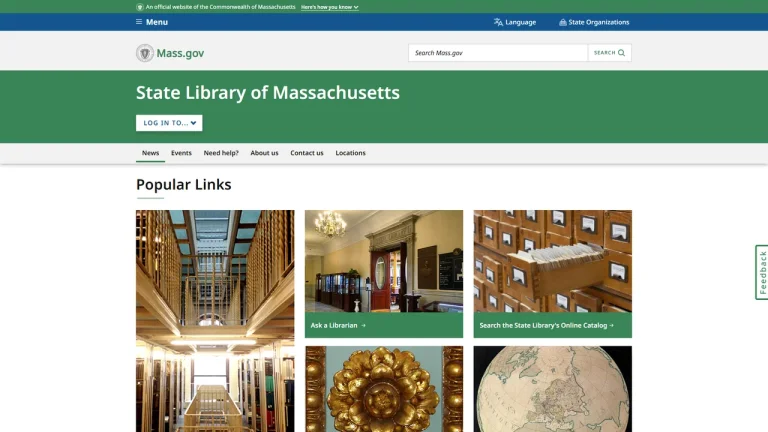

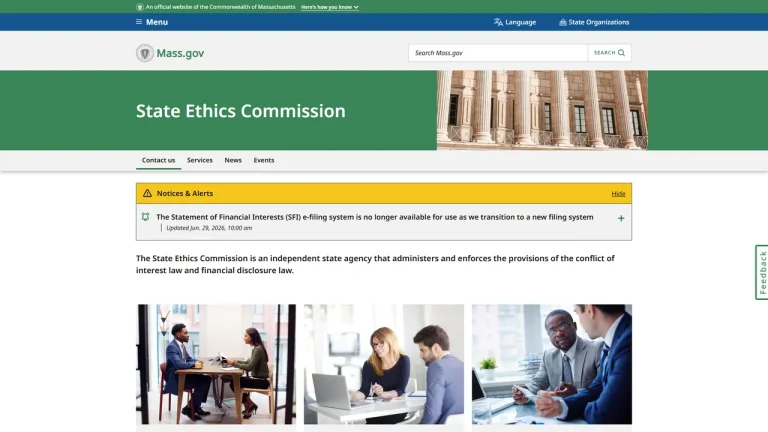
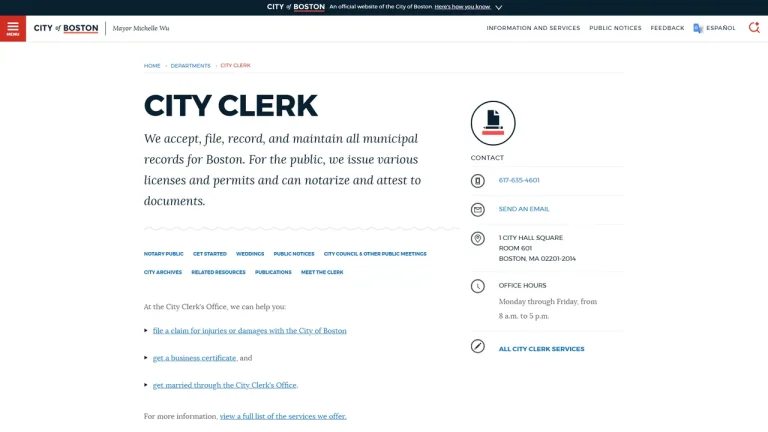
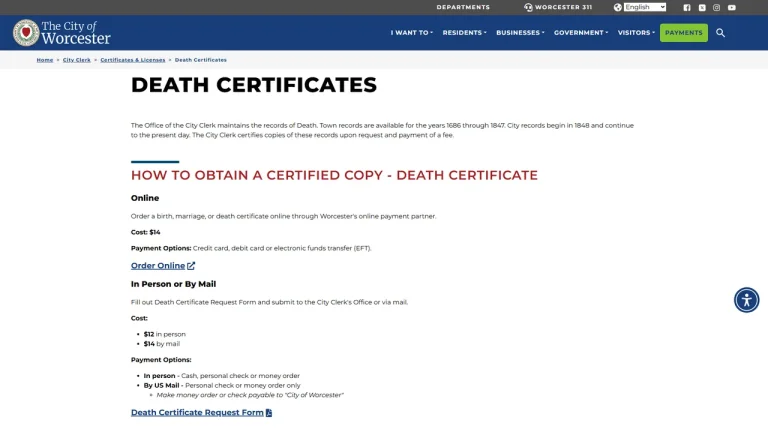



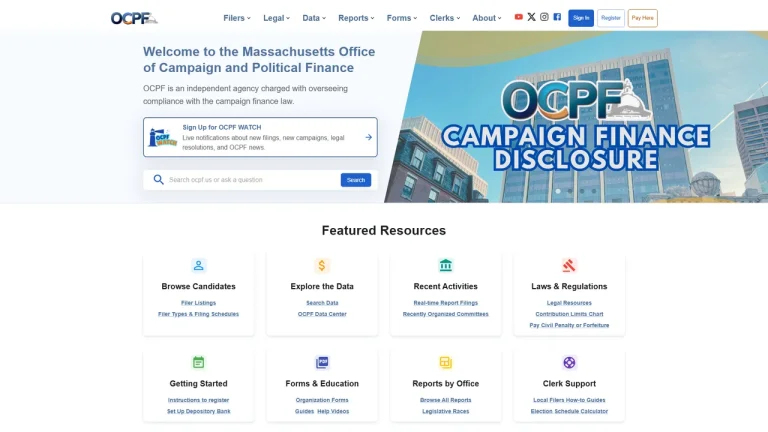
Massachusetts Office of Campaign and Political Finance - Boston, MA

Worcester Police Technical Services Division - Worcester, MA
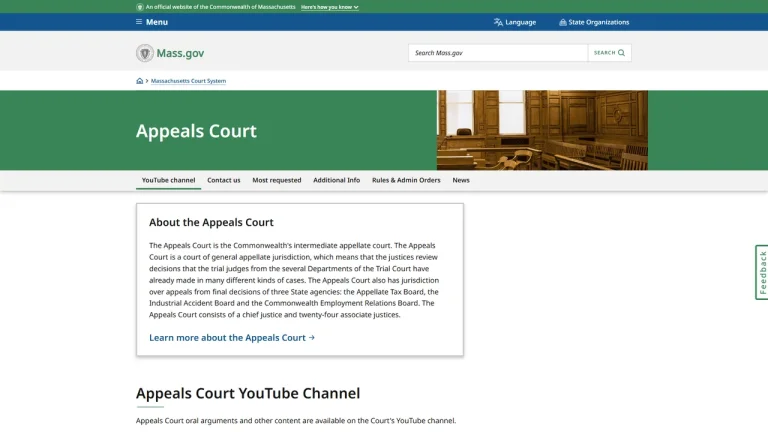
Massachusetts Appeals Court Clerk's Office - Boston, MA


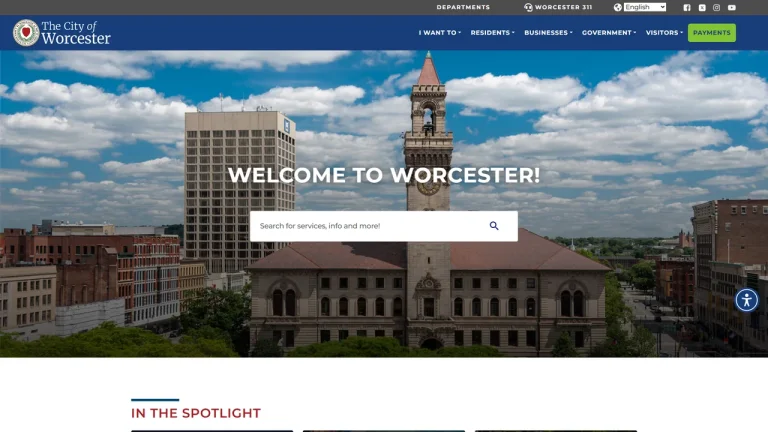
The Architecture of Massachusetts Public Records & Recording Offices
The Commonwealth of Massachusetts maintains a dual-track framework for managing public instruments, judicial dockets, vital statistics, and real property records. Unlike states with unified county governments, Massachusetts abolished several county governments in the late 1990s, transferring the administration of registries of deeds and county record repositories to the Secretary of the Commonwealth or the Commonwealth's executive branch. Real property recording is managed through 21 Registry of Deeds districts, including the Suffolk County Registry in Boston, the Middlesex South Registry in Cambridge, the Middlesex North Registry in Lowell, and the Essex Southern District Registry in Salem.
Vital records, including certificates of birth, marriage, and death, are cataloged at the local level by the city and town clerks across the Commonwealth's 351 municipalities, as well as centrally by the Massachusetts Registry of Vital Records and Statistics (RVRS) under the Department of Public Health. Corporate documentation, uniform commercial filings, and state trademarks are administered centrally through the Corporations Division of the Office of the Secretary of the Commonwealth.
Digital transparency and land title integrity are preserved through specialized public platforms, most notably MassLandrecords for registry filings and MassCourts for judicial dockets across District, Superior, and Housing Court departments. Understanding the appropriate district repository is necessary to secure certified copies, track titles, or submit valid public document requests.
Common Public Records Requests & Statutory Fee Schedule
| Service / Matter | Required Documents / Prerequisites | Statutory Fee (USD) | Processing Timeline |
|---|---|---|---|
| Certified Copy of Vital Record (Birth, Marriage, Death) | Valid Government Photo ID, Completed RVRS Form, Proof of Entitlement | $20 - $32 | 5 to 10 business days |
| Deed or Mortgage Recording (Recorded Land) | Original Document, Notary Acknowledgment, Property Address & Parcel ID | $155 - $205 | Same day to 48 hours |
| Public Records Request (State / Municipal Agency) | Written Description of Records, Requester Contact Details, RAO Designation | Free ($0.05/page copy fee) | Strictly within 10 business days |
| Certificate of Legal Existence / Good Standing | Corporate Entity Name, Identification Number, Online Application Form | $12 - $25 | Immediate to 3 business days |
Critical Legal Deadlines & Statutes in Massachusetts
The acquisition and filing of public instruments in Massachusetts are governed by strict statutory timelines. Under the Massachusetts Public Records Law, codified at Mass. Gen. Laws ch. 66, § 10, a designated Records Access Officer (RAO) must provide a formal response to a public records request within 10 business days of receipt, indicating compliance, estimated fees, or statutory exemptions.
If a custodian denies access or fails to respond within the mandated window, an administrative appeal may be filed with the Supervisor of Records pursuant to 950 CMR 32.08 within 90 calendar days. Failure to adhere to this administrative window can result in forfeiture of the administrative remedy prior to seeking relief in the Massachusetts Superior Court.
Real property transactions are governed by the Massachusetts recording statute, established at Mass. Gen. Laws ch. 183, § 4. Massachusetts operates as a race-notice jurisdiction, meaning an unrecorded deed, mortgage, or lease exceeding seven years is invalid against subsequent purchasers or attaching creditors who acquire rights without actual notice. Municipal lien certificates, which verify outstanding municipal taxes and utility fees, must be issued by the municipal tax collector within 10 days of written demand pursuant to Mass. Gen. Laws ch. 60, § 23.
Direct Agency Access vs. Legal Counsel for Document Filings
Many public record transactions can be completed directly by individuals without professional legal intervention. Requesting duplicate birth certificates from a municipal clerk, obtaining zoning maps, submitting FOIA requests to state agencies, or searching the MassLandrecords database for recorded instruments can be handled independently by following straightforward agency guidelines.
However, when a filing involves complex real property issues, judicial impoundments, or structural document defects, professional legal assistance is critical. Real estate conveyances involving Massachusetts Land Court registered land governed by Mass. Gen. Laws ch. 185, § 1 require court-certified documentation, technical plan compliance, and specific decree references that exceed standard recording procedures.
Additionally, if an agency unlawfully withholds critical documents under claimed statutory exemptions, retaining legal counsel allows citizens to file an enforcement action in the Superior Court to compel production under Mass. Gen. Laws ch. 66, § 10A, which authorizes the potential award of reasonable attorney fees and litigation costs against non-compliant agencies.
Red Flags & Consumer Protection Warnings
- Beware of deceptive direct-mail solicitations demanding $80 to $120 to provide a copy of your recorded property deed, which can be acquired directly from your regional Registry of Deeds for minimal copying fees.
- Avoid non-governmental websites that emulate the visual design of the Secretary of the Commonwealth or MassLandrecords to harvest personal details or assess unauthorized service markups.
- Do not pay third-party intermediaries for standard public records request forms, which are free and available directly through municipal and state Records Access Officers.
- Ensure that deeds and legal conveyances recorded with the Registry of Deeds comply with Massachusetts notary laws and correct county district boundary designations to avoid recording defects.
Frequently Asked Questions
What is the statutory response deadline for a public records request in Massachusetts?
Under Mass. Gen. Laws ch. 66, § 10, an agency or municipal Records Access Officer must respond within 10 business days of receiving the request, either by producing the records, offering an estimate of search and segregation fees, or asserting a specific statutory exemption.
What is the difference between recorded land and registered land in Massachusetts?
Recorded land constitutes the traditional recording system where documents are indexed by grantor and grantee. Registered land operates under the Land Court registration system pursuant to Mass. Gen. Laws ch. 185, § 1, where the Commonwealth guarantees title and issues an official Certificate of Title.
Where do I obtain certified copies of Massachusetts vital records?
Certified copies of birth, marriage, and death records can be obtained directly from the city or town clerk in the municipality where the event occurred or where the parties resided, or centrally through the Massachusetts Registry of Vital Records and Statistics in Boston.
What recourse exists if a Massachusetts agency denies access to public records?
If a request is denied or ignored, the requester can file an administrative appeal with the Supervisor of Records within 90 calendar days under 950 CMR 32.08. If the administrative ruling is unfavorable, the requester may commence a civil lawsuit in the Massachusetts Superior Court.
How do I search for property ownership records across Massachusetts?
Property ownership, deeds, easements, and mortgages can be researched through the official MassLandrecords online database, organized across the Commonwealth's 21 Registry of Deeds districts, searchable by owner name, property address, or book and page numbers.