
Business Filing & Licensing in Philadelphia
Securing commercial filing and regulatory licensing in Philadelphia requires compliance with city ordinances and Pennsylvania corporate statutes. Obtaining proper activity licenses, zoning approvals, and corporate registrations protects owners from costly enforcement actions. Review our directory below to locate municipal agencies, access eCLIPSE services, and connect with local authorities.
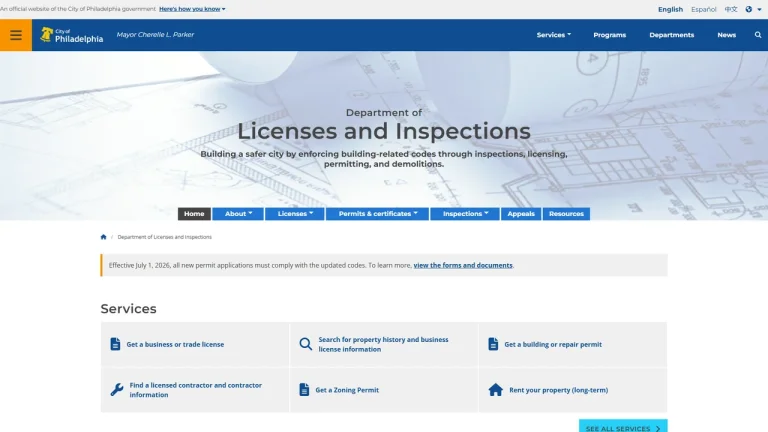
Department of Licenses and Inspections - South District Office - Philadelphia, PA

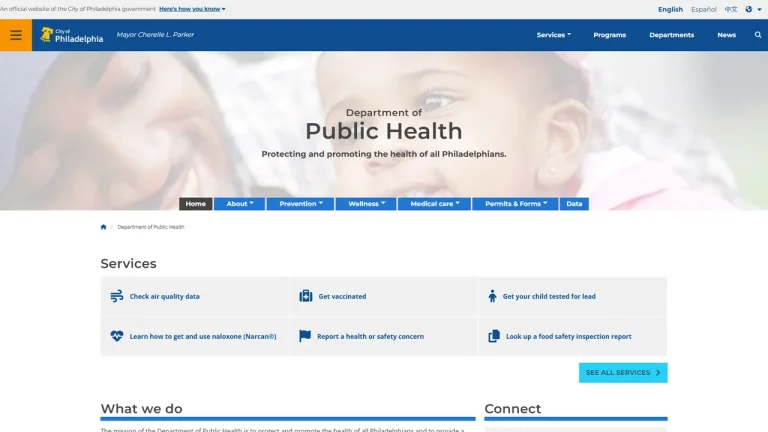
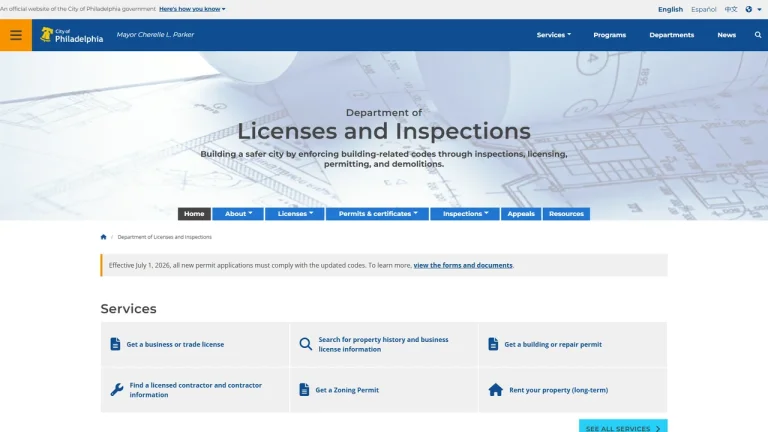
Department of Licenses and Inspections - Philadelphia, PA
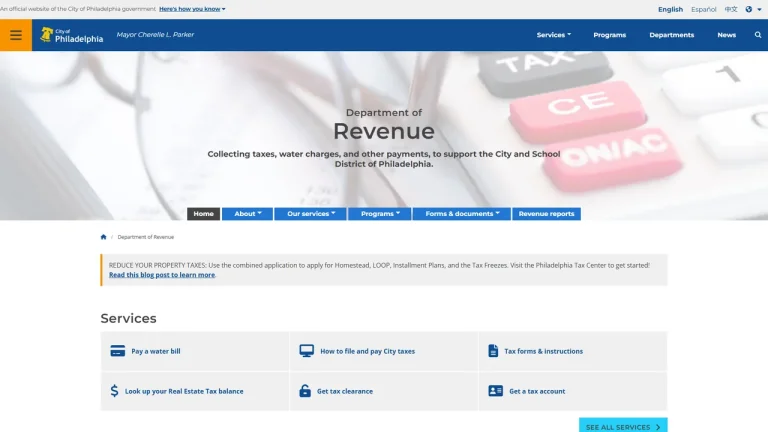
Philadelphia Department of Revenue-Center City Philadelphia

U.S. Army Corps of Engineers - Philadelphia District - Philadelphia, PA
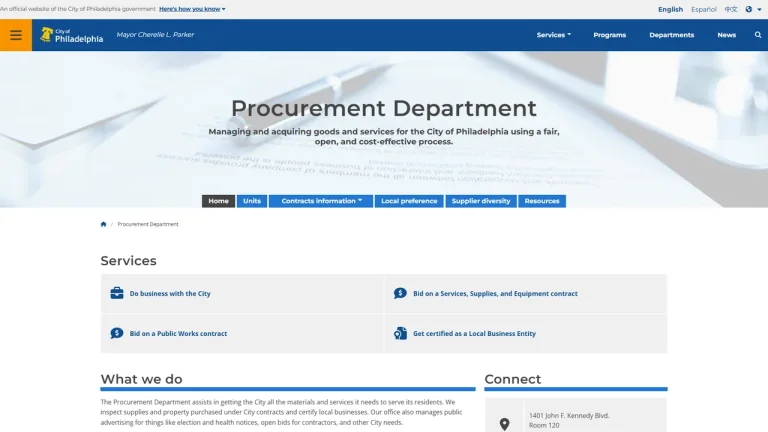
Philadelphia Procurement Division - Philadelphia, PA
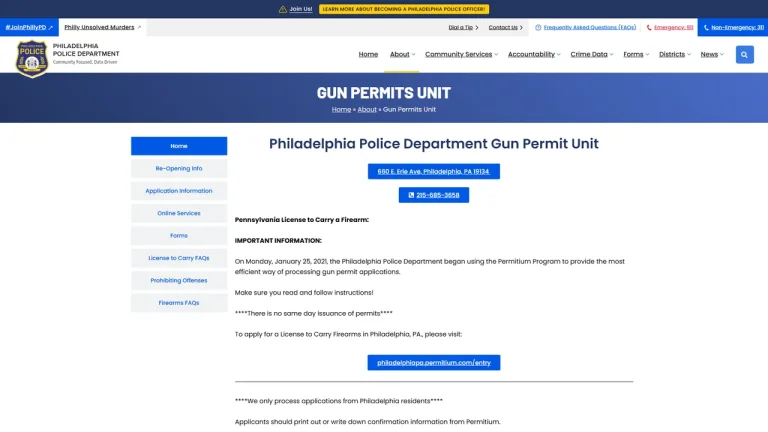
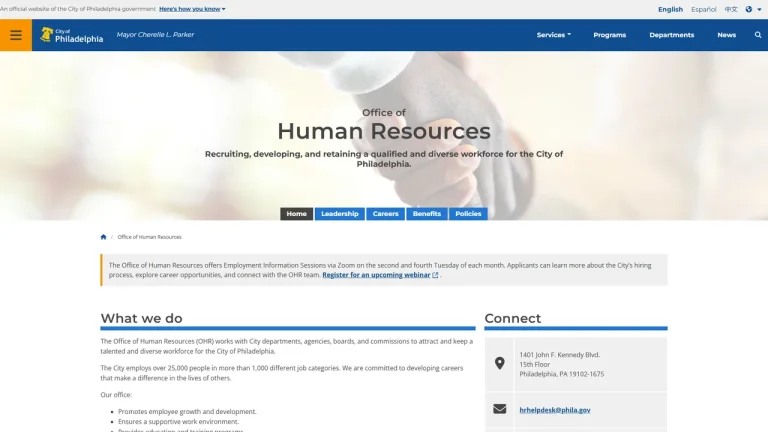
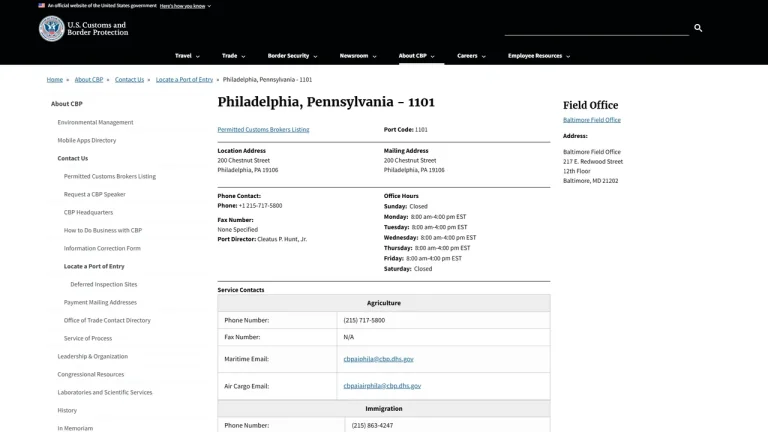
U.S. Customs and Border Protection - Philadelphia Service Port - Philadelphia, PA
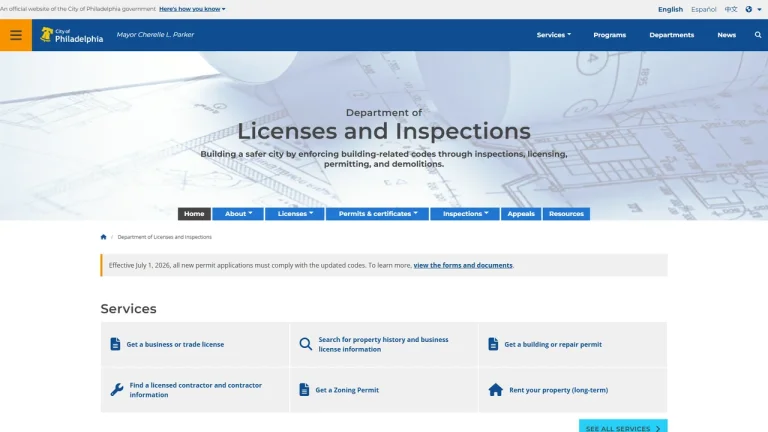
Philadelphia License & Inspection - Philadelphia, PA
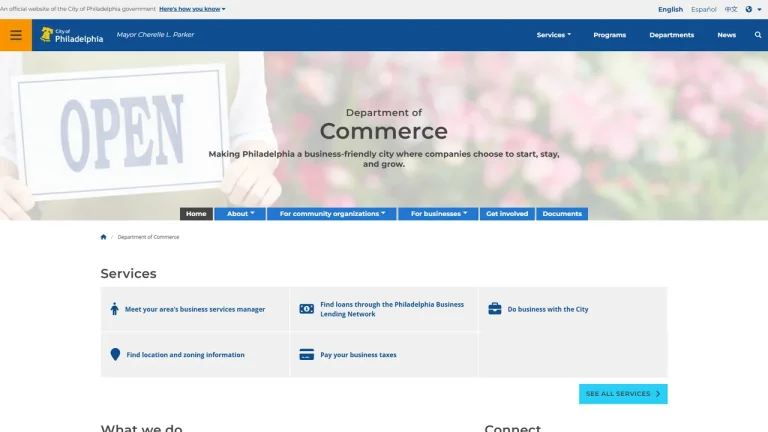
Municipal Licensing and Commercial Governance in Philadelphia
Operating a commercial enterprise in Philadelphia involves a dual-layered regulatory structure requiring compliance with both the Commonwealth of Pennsylvania and municipal regulatory authorities. At the municipal level, commercial activities are administered by the Philadelphia Department of Licenses and Inspections (L&I) and the Philadelphia Department of Revenue. Headquartered primarily within the Municipal Services Building (MSB) across from City Hall, these departments regulate everything from neighborhood retail establishments in Fishtown and South Philadelphia to corporate entities in Center City.
Before commencing business, every company must establish its foundational business entity with the Pennsylvania Department of State Bureau of Corporations and Charitable Organizations. Once state entity formation is finalized, the enterprise must register with the Philadelphia Department of Revenue to obtain a Philadelphia Tax Account Number and secure a Commercial Activity License (CAL). The Department of Licenses and Inspections regulates public safety, zoning conformance, and building code compliance through the online eCLIPSE platform, ensuring operations adhere strictly to municipal statutes.
Commercial Registration Fees and Municipal Permit Processing
| Service / Matter | Required Documents / Prerequisites | Statutory Fee (USD) | Processing Timeline |
|---|---|---|---|
| Commercial Activity License (CAL) | Philadelphia Tax Account Number, federal EIN, corporate officer details | $0.00 (statutory registration required) | Immediate online via eCLIPSE |
| Pennsylvania LLC Formation | Certificate of Organization (Form DSCB:15-8821), docketing statement | $125.00 state statutory fee | 1 to 3 business days (online) |
| Certificate of Occupancy | Approved zoning permit, building inspection sign-offs, architectural plans | Varies by square footage (minimum $150.00) | 2 to 6 weeks |
| Food Establishment Retail License | Office of Food Protection plan review, ServSafe certification, CAL | $255.00 to $330.00 annual fee | 15 to 30 business days |
Mandatory Compliance Deadlines and Pennsylvania Corporate Codes
Corporate organization in Philadelphia is governed by the Pennsylvania Uniform Limited Liability Company Act under 15 Pa. C.S. § 8821, which mandates the filing of a formal Certificate of Organization to establish limited liability protections for business owners. Operating without executing proper corporate filings exposes owners to personal liability for commercial contracts and tort obligations.
At the municipal level, commercial governance is mandated by Phila. Code § 19-2602, which dictates that every person conducting business within the City of Philadelphia must secure a Commercial Activity License and file annual returns for the Business Income and Receipts Tax (BIRT) and the Net Profits Tax (NPT). Specific business classifications must also comply with operational licensing renewals under Phila. Code § 9-100, requiring license renewals prior to established expiration dates to avoid immediate revocation and municipal stop-work enforcement.
Direct Portal Submissions vs. Commercial Legal Representation
Entrepreneurs can frequently manage entry-level administrative tasks independently through municipal online portals. Procuring a standard Commercial Activity License, obtaining an Employer Identification Number (EIN) from the IRS, or filing a single-member LLC formation directly through the Pennsylvania Department of State Business One-Stop Shop can be completed by self-represented applicants without substantial procedural friction.
Conversely, retaining a business attorney becomes necessary when transactions involve multi-member operating agreements, complex commercial leasing, or municipal zoning disputes. When an intended business use contradicts local zoning classifications, an applicant must secure a zoning variance from the Philadelphia Zoning Board of Adjustment (ZBA). Navigating ZBA hearings requires presenting legal evidence, interfacing with Registered Community Organizations (RCOs), and adhering to local administrative procedures. Furthermore, defending against formal violation notices from L&I or resolving municipal tax audits with the Department of Revenue demands formal commercial legal counsel.
Commercial Licensing Pitfalls and Entity Compliance Traps
- Do not assume that securing a Pennsylvania LLC charter entitles you to operate legally in Philadelphia without obtaining municipal tax IDs and a Commercial Activity License.
- Beware of commercial leases executed prior to verifying zoning classifications, as signing a binding lease for a non-permitted use can result in permit denials and major lease defaults.
- Avoid third-party corporate compliance solicitations demanding high fees for annual corporate minutes or certificates of good standing that can be obtained directly from state registries.
- Ensure all commercial alterations and tenant build-outs receive formal building permits from L&I to prevent the issuance of Cease Operations orders and administrative fines.
Frequently Asked Questions
What is a Commercial Activity License in Philadelphia?
A Commercial Activity License (CAL) is a mandatory license issued by the Philadelphia Department of Licenses and Inspections that permits an individual or company to conduct commercial business within the City of Philadelphia. There is no fee for the license itself, but the entity must hold a valid Philadelphia Tax Account Number.
What is the eCLIPSE portal and how is it used?
The eCLIPSE system is the online administrative management platform utilized by the Philadelphia Department of Licenses and Inspections. It allows business operators, contractors, and design professionals to submit permit applications, request inspections, renew trade licenses, and pay municipal fees electronically.
Does a home-based business in Philadelphia require a commercial license?
Yes, any entity generating revenue while operating within the municipal borders of Philadelphia is required to maintain a Commercial Activity License and register for municipal tax filings, regardless of whether operations occur in a commercial storefront or a residential property.
What happens if a business operates without proper L&I permits in Philadelphia?
Operating without required municipal permits or licenses subjects a business to violation notices, substantial daily financial fines, and Cease Operations or Stop Work orders enforced directly by the Department of Licenses and Inspections.
When should a Philadelphia business owner consult a commercial attorney?
Business owners should retain legal counsel when drafting corporate governance documents, negotiating commercial real estate leases, seeking zoning variances before the Zoning Board of Adjustment, or resolving tax disputes with the Philadelphia Department of Revenue.