
Government Agencies in Massachusetts
Accessing Massachusetts government agencies requires navigating Commonwealth administrative standards, designated secretariats, and regional service centers. Executive departments and regulatory commissions oversee licensing, civil rights enforcement, commercial oversight, and public benefits across all counties. Explore our verified statewide directory below to connect directly with official agency administrators and access statutory resources.


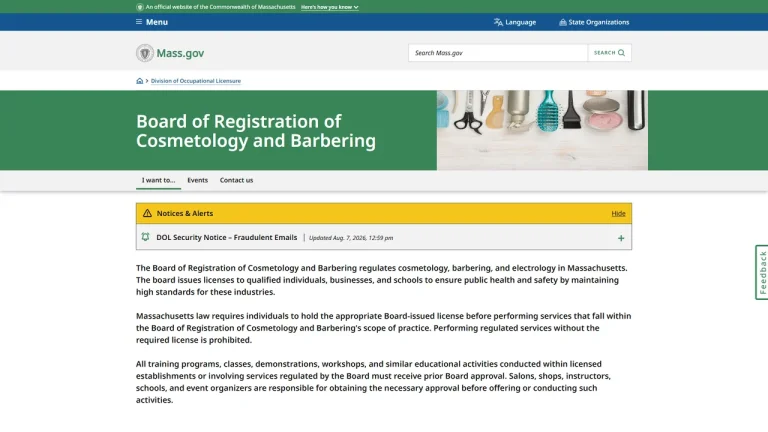


USDA Food and Nutrition Service (Northeast Regional Office) - Boston, MA

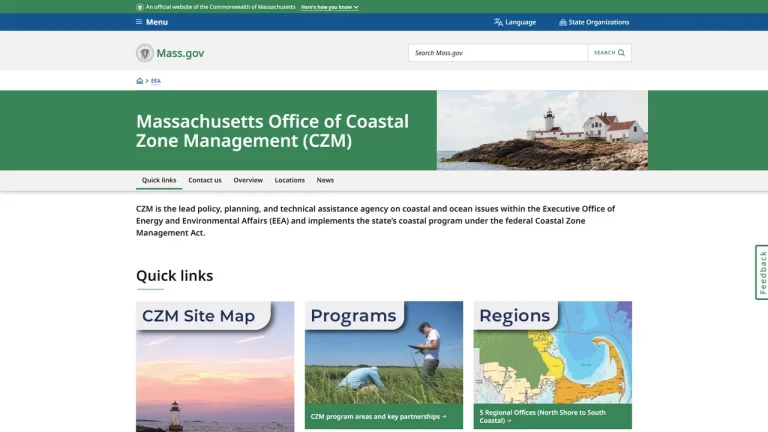
Massachusetts Office of Coastal Zone Management (CZM) - Boston, MA
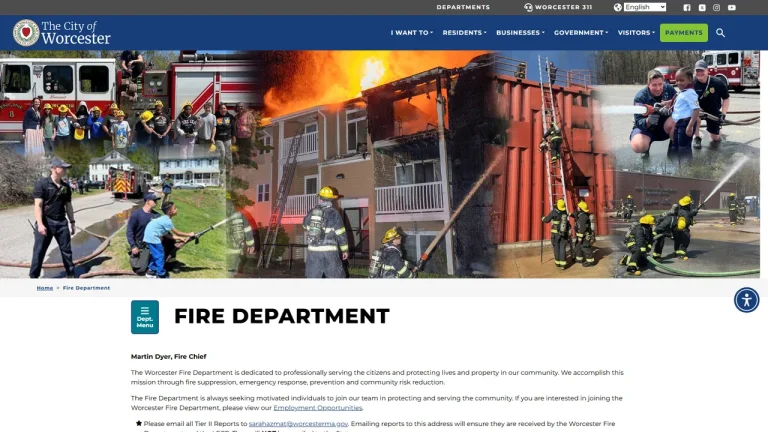

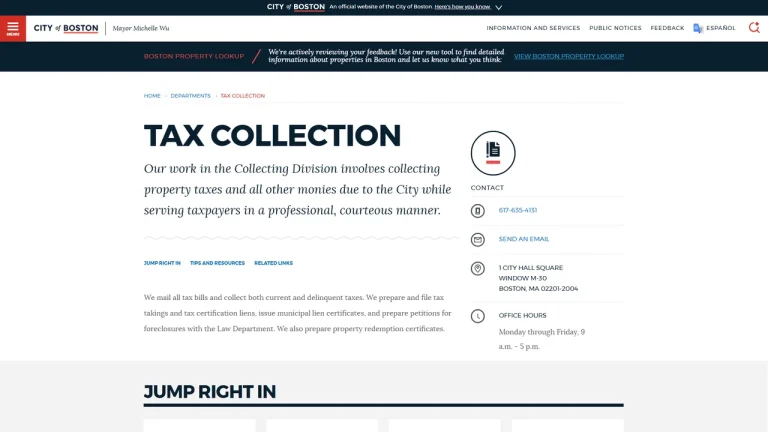

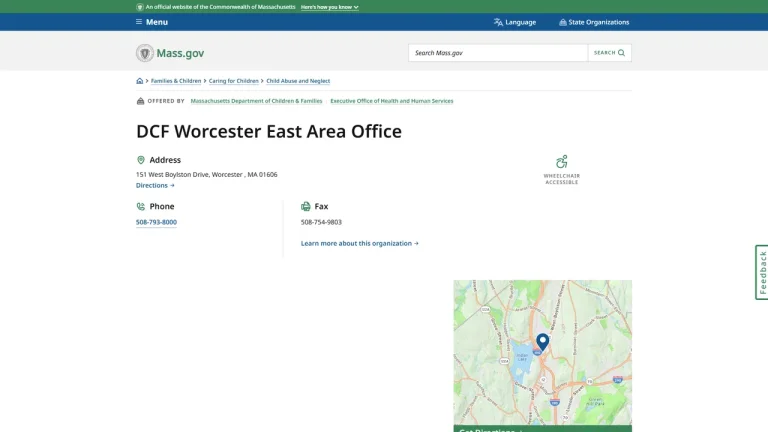
Department Of Children And Families (Worcester East) - Worcester, MA
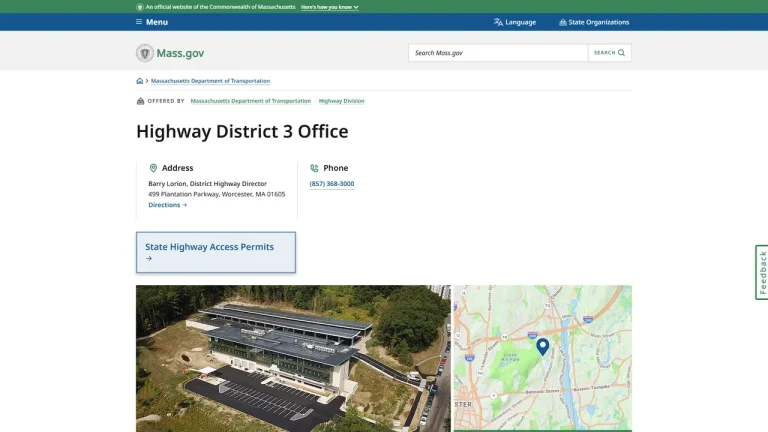
Navigating Massachusetts Administrative & Regulatory Agencies
The Commonwealth of Massachusetts administers executive and regulatory authority through a centralized cabinet system headquartered at the Massachusetts State House on Beacon Hill in Boston, supported by regional service centers across Greater Boston, Central Massachusetts, the Pioneer Valley, and the South Coast. State governance is organized under major secretariats, including the Executive Office of Administration and Finance, the Executive Office of Public Safety and Security, and the Executive Office of Energy and Environmental Affairs. These bodies oversee dozens of specialized agencies tasked with maintaining public welfare, commercial fairness, and environmental standards under state jurisdiction.
Key regulatory entities include the Division of Occupational Licensure, which regulates hundreds of professions and trades, the Massachusetts Department of Environmental Protection, the Massachusetts Commission Against Discrimination, and the Department of Public Health. Whether establishing an enterprise, petitioning for administrative relief, or responding to regulatory inquiries, individuals and corporate entities must engage with these agencies pursuant to standardized administrative protocols governed by statutory law.
Interacting with state departments requires adherence to procedural mandates, standardized petition forms, and strict filing protocols. Regional offices located in hubs such as Worcester, Springfield, New Bedford, and Lawrence facilitate local access, yet primary administrative adjudication and appellate reviews remain anchored in established statutory frameworks. Knowing which secretariat maintains primary jurisdiction over a specific matter prevents administrative delays and protects statutory rights.
Common Administrative Agency Services & Statutory Fee Schedule
| Service / Matter | Required Documents / Prerequisites | Statutory Fee (USD) | Processing Timeline |
|---|---|---|---|
| Professional License Application & Renewal | Form DOL-101, Proof of Education, Verified Work History, CORI Check | $50 - $250 | 2 to 6 weeks |
| Administrative Adjudicatory Hearing Petition | Formal Notice of Claim, Copy of Agency Determination, Statement of Grounds | Free - $100 | 30 to 90 days |
| Environmental Resource Permitting (Wetlands Protection) | MassDEP Notice of Intent (NOI), Certified Abutter Notification, Engineering Plan | $110 - $1,450 | 45 to 60 days |
| Corporate Entity Registration & Annual Reporting | Articles of Organization, Registered Agent Designation, State Filing Form | $500 Initial / $125 Annual | Immediate to 5 business days |
Critical Legal Deadlines & Statutes in Massachusetts
Administrative actions in the Commonwealth are governed by firm procedural timelines that dictate when petitions, notices, and appeals must be initiated. Under the Massachusetts Administrative Procedure Act, codified at Mass. Gen. Laws ch. 30A, § 14, any party seeking judicial review of a final agency determination in an adjudicatory proceeding must file a civil action in the Superior Court within 30 days after receipt of the agency's final notice.
For tort or property damage claims brought directly against Commonwealth agencies, claimants must comply with the Massachusetts Tort Claims Act under Mass. Gen. Laws ch. 258, § 4. This statute mandates that a formal written presentment of the claim be served upon the appropriate executive official within 2 years of the accrual of the cause of action before any civil lawsuit can be instituted.
Workplace or public accommodation discrimination claims filed through the Massachusetts Commission Against Discrimination must meet the rigid deadline defined in Mass. Gen. Laws ch. 151B, § 5, requiring complaints to be filed within 300 days of the alleged discriminatory occurrence. Public transparency disputes under the Open Meeting Law, governed by Mass. Gen. Laws ch. 30A, § 23, must be formally lodged with the relevant public body within 30 days of the alleged violation.
Direct Agency Access vs. Legal Counsel in Administrative Proceedings
Residents of Massachusetts routinely interact with state agencies on an individual basis without legal representation. Direct agency access is well-suited for standard administrative tasks, such as obtaining individual occupational licenses, submitting standard corporate filings through the Secretary of the Commonwealth, requesting copies of regulatory rulings, or addressing routine tax adjustments through the Massachusetts Department of Revenue online portal.
In contrast, retaining experienced legal counsel becomes necessary when an agency initiates formal enforcement, investigative, or disciplinary proceedings. Matters involving the threatened revocation of professional licenses by the Division of Occupational Licensure, contested environmental enforcement actions by the Department of Environmental Protection, or complex evidentiary hearings before administrative law judges demand formal legal advocacy. Navigating the Massachusetts Small Claims Court system, restricted to claims up to $7,000 pursuant to Mass. Gen. Laws ch. 218, § 21, operates under separate rules from administrative boards where monetary awards and civil penalties can significantly exceed municipal court limits.
Attorneys familiar with Massachusetts administrative rules ensure that critical evidentiary records are established during agency hearings, protecting the client's rights should the matter proceed to judicial review in the Massachusetts Superior Court or the Massachusetts Appeals Court.
Red Flags & Consumer Protection Warnings
- Avoid third-party commercial websites that charge processing fees for submitting standard state license applications or accessing public forms available for free on official Mass.gov portals.
- Be cautious of unsolicited telephone calls, text messages, or emails claiming to represent Commonwealth agencies demanding immediate wire transfers or digital payments to satisfy alleged fines or tax liabilities.
- Steer clear of unaccredited consultants or expediting services claiming private influence or guaranteed expedited outcomes before Massachusetts administrative boards or licensing panels.
- Verify that any individual offering formal representation in an administrative proceeding is a licensed attorney in good standing registered with the Massachusetts Board of Bar Overseers.
Frequently Asked Questions
How do I appeal an adverse decision made by a Massachusetts state agency?
Appealing an adverse agency decision begins by exhausting all available administrative remedies within the specific department, such as requesting a hearing before an administrative law judge. Once a final agency decision is rendered, an appeal may be filed in the Massachusetts Superior Court within 30 days under Mass. Gen. Laws ch. 30A, § 14.
What role does the Massachusetts Division of Occupational Licensure serve?
The Division of Occupational Licensure (DOL) oversees more than 50 boards of registration governing hundreds of trades and professions across Massachusetts. The division establishes licensing standards, investigates consumer complaints, and conducts disciplinary proceedings concerning regulated trades.
Is legal counsel required during an administrative adjudicatory hearing?
Individuals may represent themselves pro se in administrative adjudicatory proceedings, but corporations generally must be represented by an attorney. Retaining legal counsel is recommended due to formal rules of evidence, witness examination standards, and the binding nature of the administrative record.
How do I file a complaint against a public agency under the Massachusetts Open Meeting Law?
An Open Meeting Law complaint must be filed using the official form with the public body within 30 days of the alleged violation pursuant to Mass. Gen. Laws ch. 30A, § 23. The public body has 14 business days to respond and resolve the complaint before the matter can be escalated to the Office of the Attorney General.
What is the presentment requirement under the Massachusetts Tort Claims Act?
Under Mass. Gen. Laws ch. 258, § 4, a claimant must present a detailed, written notice of claim to the appropriate executive officer of the agency within 2 years of the incident. The agency has six months to respond before a civil lawsuit can be initiated in court.