
County & City Agencies in Pennsylvania
County and city agencies across Pennsylvania manage property records, court registries, municipal ordinances, and local public services in all 67 counties. Navigating county courthouses and municipal halls requires understanding local administrative workflows and jurisdictional divisions. Consult our statewide registry below to find authorized municipal clerks, county prothonotaries, and local administrative offices.

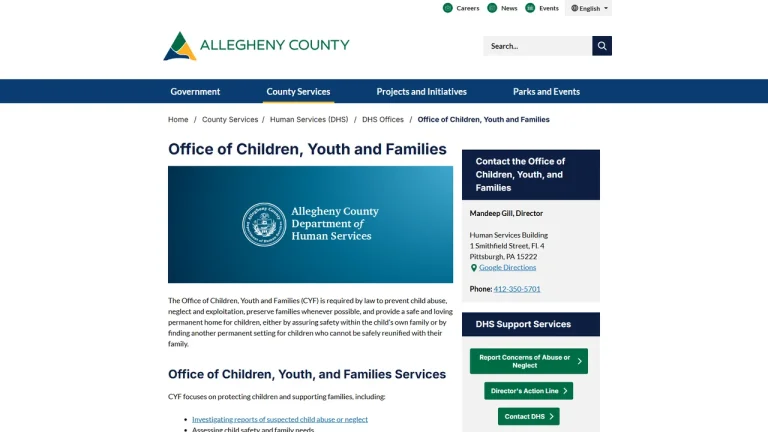
Allegheny County CYF Administrative Offices - Pittsburgh, PA
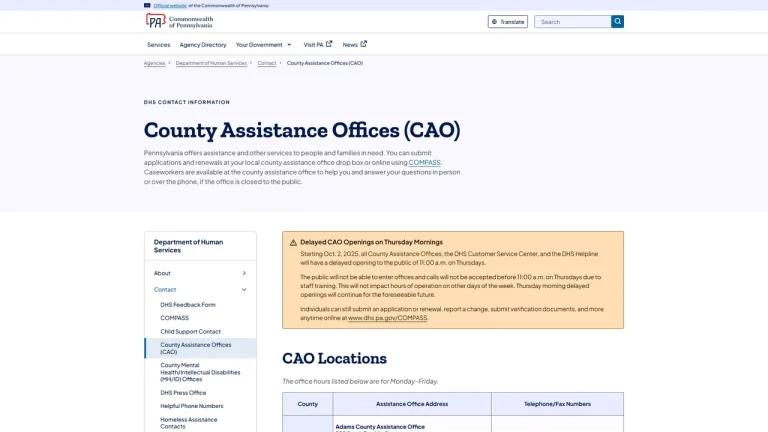
Philadelphia County Assistance Office - Headquarters - Philadelphia, PA

Allegheny County Children, Youth and Families South Regional Office - Pittsburgh, PA
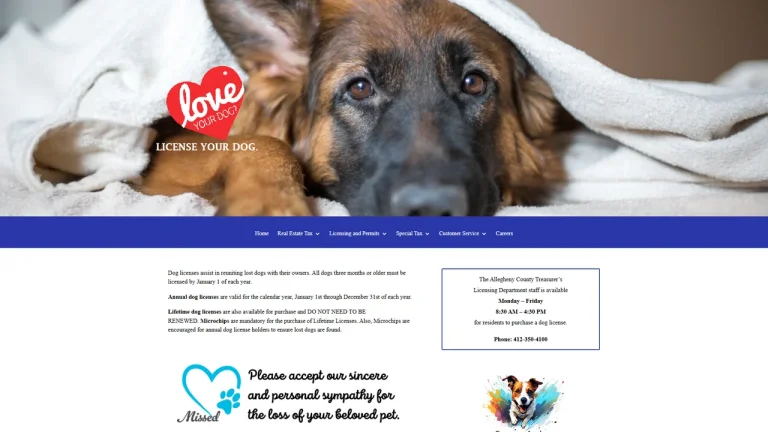
Allegheny County Treasurer's Office: Dog License Division - Pittsburgh, PA
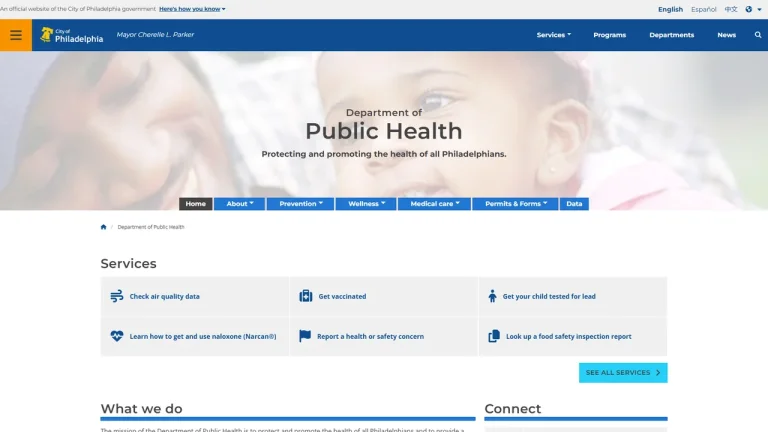
City of Philadelphia Department of Public Health Employee Medical Services - Philadelphia, PA


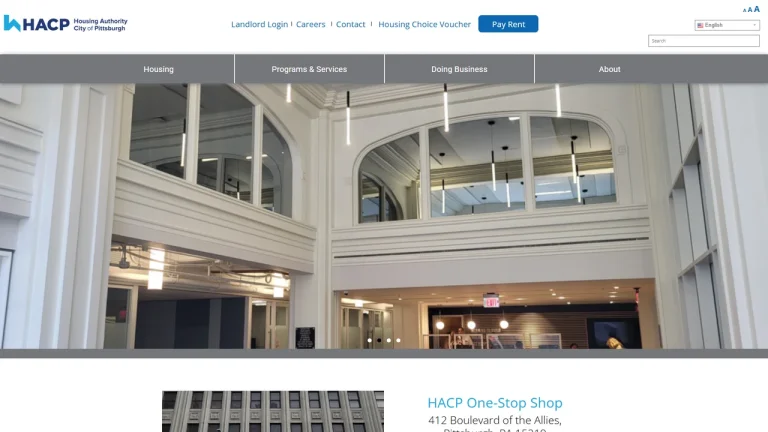
Housing Authority of the City of Pittsburgh (HACP) - Executive Office - Pittsburgh, PA
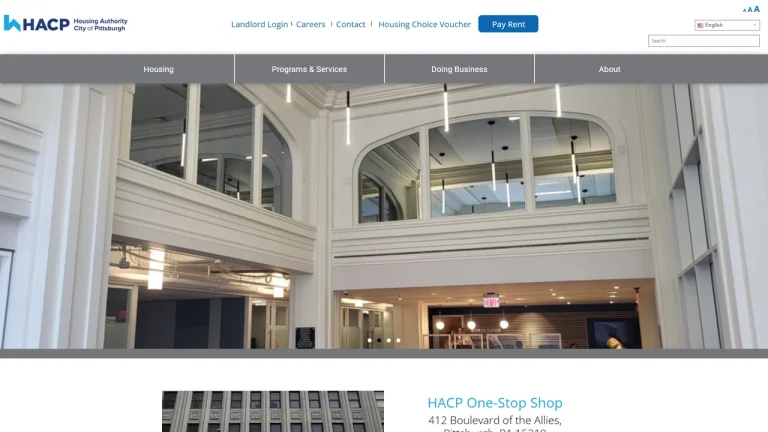
Housing Authority of the City of Pittsburgh - Headquarters - Pittsburgh, PA
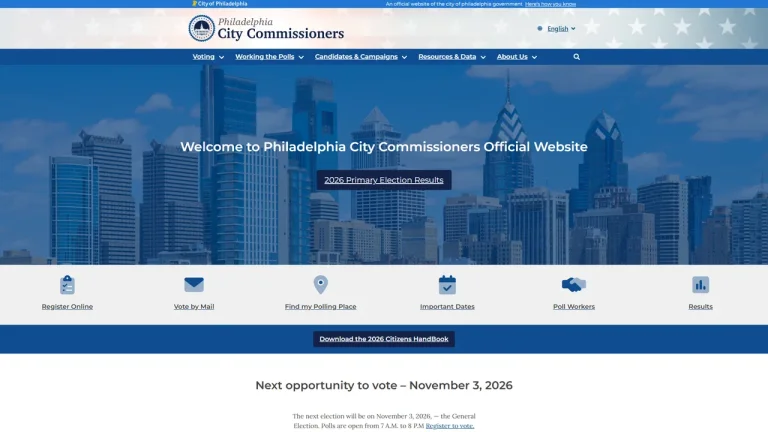
Philadelphia City Commissioners - Election Warehouse - Philadelphia, PA



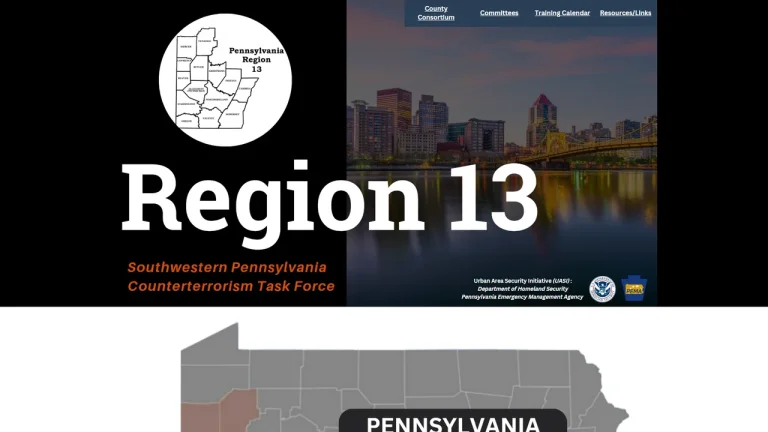
PA Region 13 Task Force (Southwestern PA Counter-Terrorism Task Force) - Pittsburgh, PA
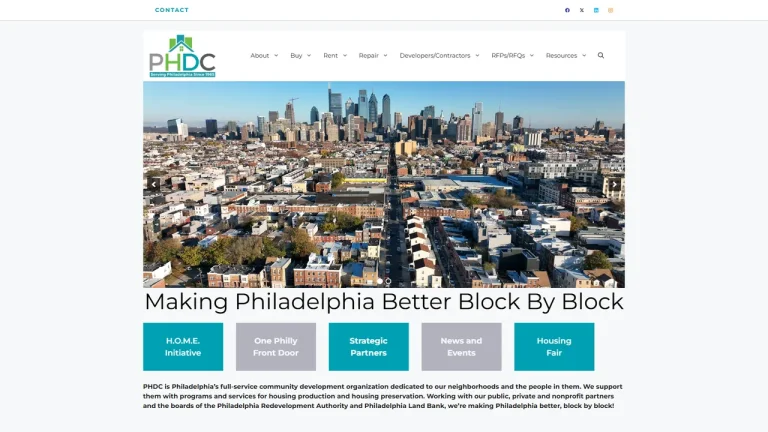
Philadelphia Redevelopment Authority - Philadelphia, PA
Structure and Legal Authority of Pennsylvania Local Government
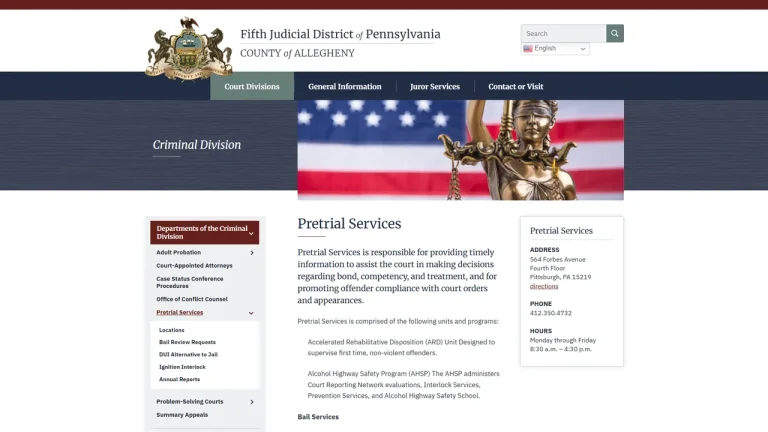
Local government in Pennsylvania operates through a multi-tiered administrative structure established across the Commonwealth's 67 counties. Under the Pennsylvania County Code and municipal home rule charters, local jurisdictions are classified into eight distinct classes, ranging from First Class counties like Philadelphia and Second Class counties like Allegheny (Pittsburgh) down to rural Eighth Class counties. Each county maintains independent offices responsible for property transfers, civil records, estate administration, and public safety.
The administrative center of each county is its county courthouse, led by an elected board of county commissioners or a county executive. Key constitutional county row officers manage vital legal functions: the Prothonotary maintains civil court records and judgments; the Clerk of Courts oversees criminal case dockets; the Register of Wills and Clerk of the Orphans' Court administers probate, estate matters, and marriage licenses; the Recorder of Deeds archives real property titles and mortgages; and the County Sheriff executes judicial warrants, enforces service of process, and conducts statutory sheriff sales.
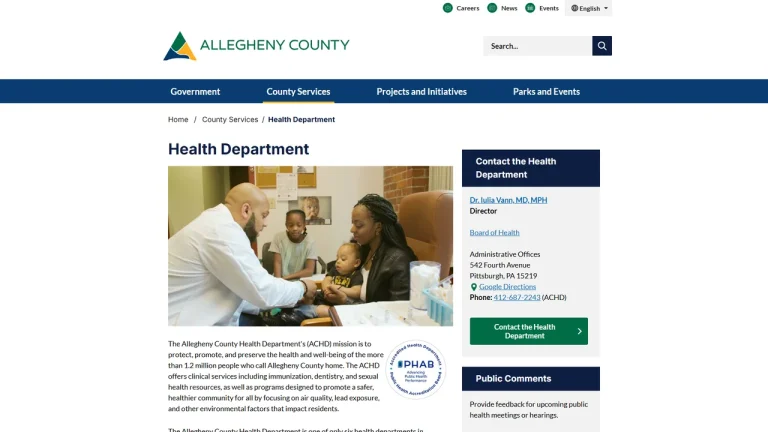
At the municipal level, cities, boroughs, and townships oversee daily local operations through municipal halls, such as Philadelphia City Hall, the Pittsburgh City-County Building, Allentown City Hall, and Erie City Hall. These municipal agencies enforce local zoning codes, issue building permits, assess municipal real estate millage, and regulate local health and housing ordinances.
Pennsylvania County and Municipal Services, Fees, and Timelines
| Service / Matter | Required Documents / Prerequisites | Statutory Fee (USD) | Processing Timeline |
|---|---|---|---|
| Recording Real Estate Deed | Executed original deed, Certificate of Residence, Statement of Value | $50 to $95 (Varies by county fee bill) | Same day to 5 business days |
| Marriage License Application | Valid government photo ID, birth records, divorce decrees if applicable | $50 to $90 (Varies by county) | 3-day statutory waiting period |
| Prothonotary Civil Docket Filing | Verified civil complaint or praecipe, civil cover sheet, filing fee | $100 to $325 (Local fee schedule) | Immediate electronic or counter docketing |
| Municipal Zoning Hearing Application | Completed variance application, boundary survey, notification list | $300 to $1,500 (Varies by municipality) | 45 to 60 days to public hearing |
Critical Legal Deadlines & Statutes in Pennsylvania
Engaging with county row offices and municipal boards requires strict adherence to statutory filing schedules and limitation periods. Under the Pennsylvania Municipalities Planning Code, codified at 53 P.S. § 11002-A, any party aggrieved by a municipal zoning hearing board decision or land development determination must file a land use appeal in the local County Court of Common Pleas within 30 days of the entry of the decision.
Marriage licenses issued by the county Register of Wills are subject to mandatory state time constraints under 23 Pa. C.S. § 1303, which enforces a mandatory three-day waiting period between application submission and license issuance. Pursuant to 23 Pa. C.S. § 1310, the marriage license remains legally valid for exactly 60 days from the issuance date, after which a new application and fee must be submitted.
In probate and estate matters, an appeal from the probate of a will or the grant of letters of administration by the Register of Wills must be taken to the Orphans' Court Division within one year of the decree, as established under 20 Pa. C.S. § 908. Municipalities filing statutory tax claims or municipal improvement liens against real property must file their claim with the county Prothonotary within six months of work completion pursuant to 53 P.S. § 7143.
Direct Citizen Access vs. Administrative Legal Counsel
Pennsylvania residents can execute many routine administrative tasks directly at county row offices and municipal service counters. Individuals can obtain certified copies of property deeds at the Recorder of Deeds, apply for marriage licenses through the Register of Wills, review public civil docket indices via the Pennsylvania Unified Judicial System (UJS) Web Portal, and pay local property taxes to county treasurers without legal representation.
Conversely, when interactions involve legal controversies, formal court petitions, or municipal land rights, retaining an attorney licensed in Pennsylvania is strongly recommended. Navigating contested probate caveats before the Register of Wills, appealing municipal property tax assessments before county assessment boards, prosecuting land use appeals before the Court of Common Pleas, or defending against a sheriff sale requires specialized legal expertise. Counsel ensures strict compliance with local county court rules, manages evidentiary discovery, and prevents procedural forfeitures.
Red Flags & Consumer Scams Involving County and City Services
- Reject misleading mail solicitations charging $80 to $120 to provide a certified copy of your property deed; official copies can be obtained directly from your county Recorder of Deeds for nominal copy fees.
- Beware of predatory consulting firms promising guaranteed property tax assessment reductions in exchange for large non-refundable upfront retainers.
- Never utilize unauthorized third-party websites that charge recurring monthly fees to access county civil dockets, which are searchable for free on the state judicial web portal.
- Ensure all estate administration and will filings are submitted directly to the official county Register of Wills office rather than through non-attorney document preparation services.
Frequently Asked Questions
What is the difference between a Prothonotary and a Clerk of Courts in Pennsylvania?
The Prothonotary is the elected clerk of the civil division of the Court of Common Pleas responsible for civil lawsuits, liens, and judgments, while the Clerk of Courts is responsible for criminal dockets and summary conviction records.
How do I appeal a municipal zoning board decision in Pennsylvania?
You must file a land use appeal with the Prothonotary of the County Court of Common Pleas in the county where the property is located within 30 days of the zoning hearing board written decision.
Where are real estate deeds and mortgages recorded in Pennsylvania?
All deeds, mortgages, and real property encumbrances are recorded and archived in the office of the Recorder of Deeds for the county in which the real property is physically located.
What is the statutory waiting period for a marriage license in Pennsylvania?
Pennsylvania law enforces a mandatory three-day waiting period from the date of application before the marriage license can be issued by the county Register of Wills office, though judicial waivers may be granted in emergencies.
How can I search county civil and criminal court dockets in Pennsylvania?
Most Pennsylvania county court dockets are accessible to the public online through the Unified Judicial System of Pennsylvania (UJS) Web Portal, which provides free docket searches for Common Pleas and Magisterial District courts.