
County & City Agencies in Philadelphia
Accessing municipal and county agencies in Philadelphia requires navigating consolidated city-county administration centered at City Hall and the Municipal Services Building. Public records, permits, and administrative filings are governed by Pennsylvania statutory standards and local regulatory procedures. Explore our comprehensive directory below to locate verified agency departments, schedule appointments, and connect with experienced administrative law attorneys.


Philadelphia County Assistance Office - Delancey District - Philadelphia, PA
The Philadelphia Parking Authority - Impound Lot 1 - Philadelphia, PA
Philadelphia Community Services Office - Philadelphia, PA

Philadelphia Personnel Department - Philadelphia, PA
Office of the Director of Finance - Philadelphia, PA
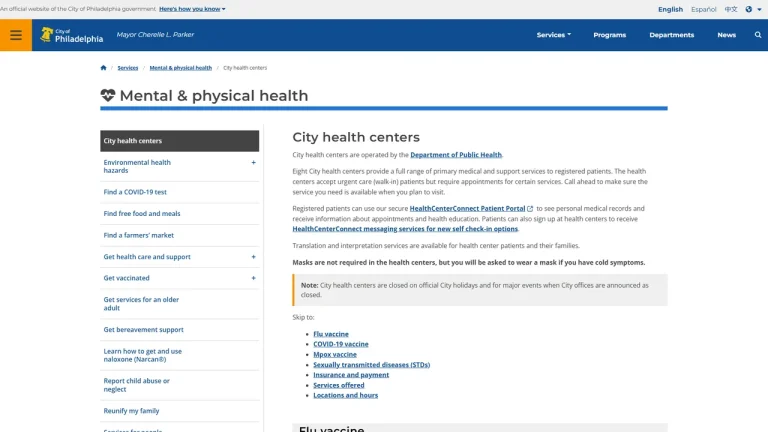
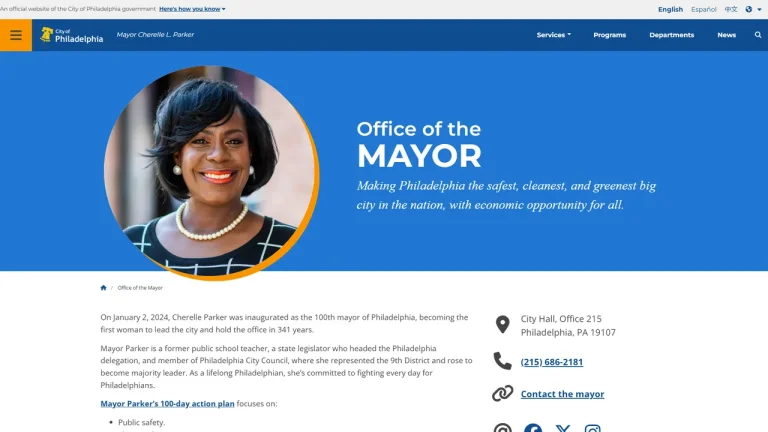
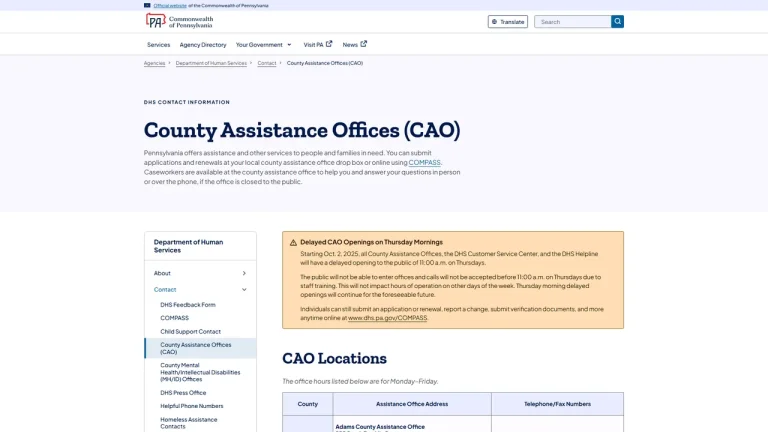
City of Philadelphia Department of Public Health Employee Medical Services - Philadelphia, PA
Philadelphia Procurement Division - Philadelphia, PA
Philadelphia County and Municipal Administrative Authority
Philadelphia operates under a unique consolidated city-county government established through the 1854 Act of Consolidation. Because county boundaries coincide identically with municipal borders, local governance combines municipal departments and county offices under the Philadelphia Home Rule Charter. Primary administrative operations are concentrated in Center City municipal landmarks, including historic Philadelphia City Hall and the Municipal Services Building (MSB) along John F. Kennedy Boulevard.
Administrative oversight spans critical local authorities, including the Philadelphia Department of Records, the Department of Licenses and Inspections (L&I), the Philadelphia Law Department, and the Office of Property Assessment (OPA). Residents across neighborhoods from Center City and South Philadelphia to Fishtown, West Philadelphia, and the Far Northeast interact with these bodies for property assessments, local licensing, and municipal regulatory compliance.
Judicial interface with city agencies is coordinated through the First Judicial District of Pennsylvania, comprising the Philadelphia Court of Common Pleas and Philadelphia Municipal Court. When agency determinations face administrative challenge, appeals proceed through specialized municipal bodies like the Board of License and Inspection Review or the Tax Review Board before advancing to civil appellate courts.
Key Administrative Services, Prerequisites, and Standard Timelines
| Service / Matter | Required Documents / Prerequisites | Statutory Fee (USD) | Processing Timeline |
|---|---|---|---|
| Commercial Activity License (CAL) | Philadelphia Tax ID (PIRT), Federal EIN, valid government photo identification | $0 (State tax compliance required) | Instant online; 2-5 business days via mail |
| Zoning / Building Permit (L&I) | Architectural plans, property deed, contractor tax clearance, zoning application | $50 - $1,500+ (Based on construction valuation) | 15 - 30 business days |
| Real Estate Property Deed Recording | Original executed deed, Philadelphia Realty Transfer Tax return, Certificate of Compliance | $256.75 base recording fee | 5 - 10 business days |
| Administrative Tax Assessment Appeal | OPA market valuation notice, appraisal report, proof of representative standing | $0 filing fee (Formal appeal to BRT) | 60 - 180 calendar days |
Critical Legal Deadlines & Statutes in Pennsylvania
Adhering to statutory filing windows is vital when interacting with Philadelphia municipal and county government entities. Under the Pennsylvania Right-to-Know Law, agencies must respond to formal public records requests within five business days pursuant to 65 P.S. § 67.901, with an allowable thirty-day extension upon proper written notice. Property owners contesting real estate valuations before the Philadelphia Board of Revision of Taxes must submit formal appeals by the statutory deadline of October 1st of each tax year.
Individuals asserting personal injury or property damage claims against municipal departments or city employees must serve formal written notice within six months of the underlying occurrence under 42 Pa. C.S. § 5522. Failure to serve this timely notice upon the City of Philadelphia Law Department frequently results in complete forfeiture of recovery rights under the Political Subdivision Tort Claims Act (42 Pa. C.S. § 8541). Final municipal administrative decisions must be appealed to the Philadelphia Court of Common Pleas within thirty days under 2 Pa. C.S. § 752 and 42 Pa. C.S. § 5571.
Direct Agency Interaction vs. Professional Legal Counsel
Routine civic errands across Philadelphia municipal offices can be processed directly by citizens without retaining legal counsel. Straightforward transactions-such as registering a Philadelphia Business Income and Receipts Tax (BIRT) account, submitting basic trade name registrations, obtaining property tax balance certificates, or acquiring certified deed copies-are structured for direct self-service via official municipal web platforms or service counters at the Municipal Services Building.
However, when administrative proceedings threaten substantial property value, commercial operating rights, or involve alleged regulatory non-compliance, legal representation becomes necessary. Complex zoning variance requests before the Zoning Board of Adjustment (ZBA), stop-work order contestations with the Department of Licenses and Inspections, municipal tax audits, and ethics inquiries involve rigorous evidentiary protocols. Administrative lawyers preserve client rights by creating comprehensive evidentiary records indispensable for any subsequent appellate review in the Court of Common Pleas.
Red Flags & Consumer Fraud Protection
When interacting with local public agencies across Philadelphia, residents and commercial operators should remain vigilant against unauthorized services and deceptive operations:
- Third-party websites charging inflated application fees for basic Philadelphia city permits, commercial activity licenses, or official forms accessible for free through official phila.gov channels.
- Unlicensed expediter services guaranteeing discretionary approvals or expedited variances from the Zoning Board of Adjustment or the Philadelphia Historical Commission.
- Deed monitoring solicitations offering to record or track property records for recurring monthly fees rather than utilizing the Department of Records free Deed Fraud Notification service.
- Deceptive communications demanding immediate payment of Philadelphia Real Estate Taxes, Water Revenue Bureau charges, or municipal violations through gift cards, digital payment apps, or wire transfers.
Frequently Asked Questions
Where are central administrative offices for Philadelphia city and county departments located?
Most primary municipal and county administrative offices are concentrated in Center City at Philadelphia City Hall (Broad and Market Streets) and the Municipal Services Building (MSB) at 1401 John F. Kennedy Boulevard. The Department of Records, Department of Licenses and Inspections, and the Revenue Department maintain public counters across these facilities.
How do I submit a formal public records request to a Philadelphia municipal agency?
Public records requests must be submitted to the designated Open Records Officer of the respective agency under the Pennsylvania Right-to-Know Law (65 P.S. § 67.502). Requests can be submitted via the City of Philadelphia electronic submission system, certified mail, or in person, and the agency must provide an initial response within five business days.
What is the relationship between Philadelphia city departments and county offices?
Under the 1854 Act of Consolidation, Philadelphia City and Philadelphia County share identical geographical boundaries and consolidated administrative governance. While county row offices like the Sheriff, Register of Wills, and District Attorney remain elected under the Pennsylvania Constitution, traditional county administrative and clerical duties are consolidated within municipal departments.
Can I appeal a code violation issued by the Department of Licenses and Inspections?
Yes. Violations issued by the Department of Licenses and Inspections may be formally appealed to the Philadelphia Board of License and Inspection Review within thirty calendar days of the violation date. If relief is denied by the administrative board, a statutory appeal may be filed with the Philadelphia Court of Common Pleas under 2 Pa. C.S. § 752.
Do commercial entities require legal counsel before the Philadelphia Zoning Board of Adjustment?
While individual owners may represent themselves, business corporations, LLCs, and formal partnerships are generally required under Pennsylvania law to be represented by an attorney licensed by the Supreme Court of Pennsylvania when presenting testimony and evidence before municipal boards like the Zoning Board of Adjustment.