
State Agencies in Boston
Access official Massachusetts state agencies and executive departments headquartered in Boston. Navigating Commonwealth administrative procedures at One Ashburton Place and Cambridge Street ensures timely handling of business filings, revenue appeals, and professional licenses. Explore our comprehensive directory below to locate verified agency contacts, public registries, and administrative filing centers.
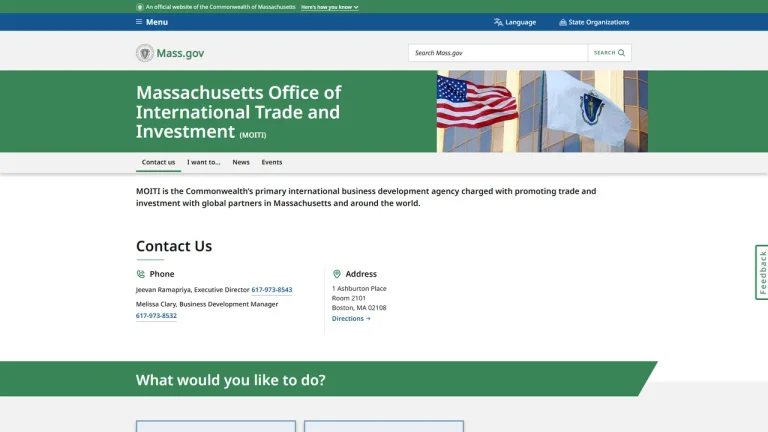
Massachusetts Office of International Trade and Investment - Boston, MA
Operational Services Division (Purchased Services) - Boston, MA
Board of Bar Overseers of the Supreme Judicial Court of Massachusetts - Boston, MA

Massachusetts Executive Office of Veterans' Services (EOVS) - Boston, MA
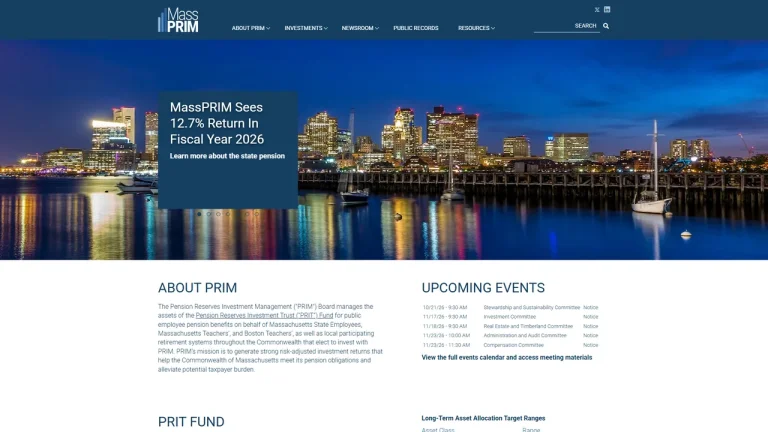
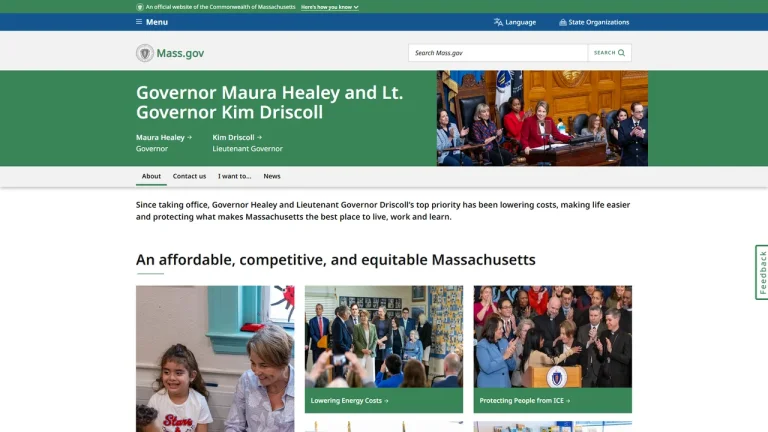
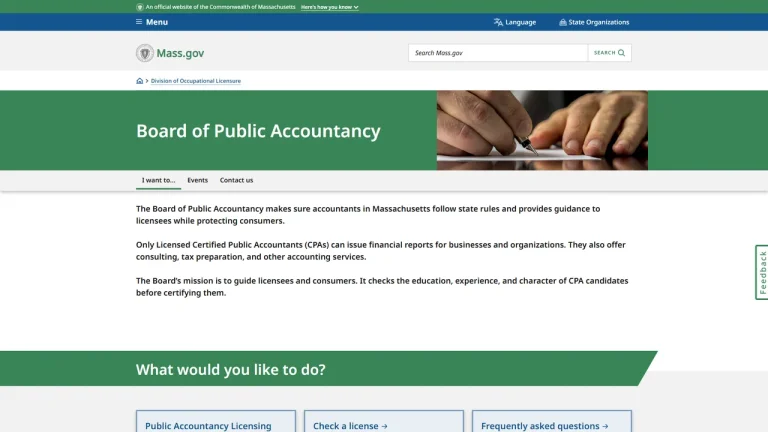
Executive Jurisdiction & Commonwealth Agencies in Boston
As the capital of Massachusetts, Boston serves as the central administrative, executive, and regulatory seat of the Commonwealth. Concentrated on Beacon Hill, Government Center, and surrounding downtown corridors, state departments administer statutory mandates, enforce statewide regulations, and manage public resources across all Massachusetts municipalities.
Key administrative operations are centered in major state office complexes, including the John W. McCormack State Office Building at One Ashburton Place and the Leverett Saltonstall Building at 100 Cambridge Street. The historic Massachusetts State House on Beacon Hill houses the Governor's Office and the Massachusetts General Court (state legislature).
Major departments headquartered in Boston include the Secretary of the Commonwealth at One Ashburton Place (overseeing the Corporations Division and Elections Division), the Massachusetts Department of Revenue (DOR) at 100 Cambridge Street, the Massachusetts Commission Against Discrimination (MCAD), the Division of Occupational Licensure (DOL), and the Executive Office of Energy and Environmental Affairs. Knowing the specific department responsible for your administrative matter ensures filings comply with statutory standards.
Massachusetts State Agency Filing Schedules & Statutory Fees
| Service / Matter | Required Documents / Prerequisites | Statutory Fee (USD) | Processing Timeline |
|---|---|---|---|
| Domestic LLC Certificate of Organization Filing | Form LLC-1, Resident Agent Consent, Organizer Signature, Online Filing | $500.00 statutory filing fee | 24 to 48 hours online / 3 to 5 business days |
| Massachusetts Public Records Request (RAO) | Written Request to Records Access Officer, Specific Document Description | $0.00 search up to 2 hours / $0.05 per page | 10 business days statutory response |
| MCAD Employment Discrimination Complaint | Formal Complaint Affidavit, Respondent Details, Protected Class Allegations | $0.00 filing fee | 300-day filing window / 6 to 18 months review |
| Massachusetts Tax Abatement / Dispute Petition | Form CA-6, Notice of Assessment, Detailed Legal & Financial Brief | $0.00 filing fee | 3 years from return or 2 years from assessment |
Critical Legal Deadlines & Statutes in Massachusetts
Administrative proceedings and appeals involving Massachusetts state departments are governed by strict statutory timetables established in the Massachusetts General Laws. Missing an administrative deadline can forfeit your rights to judicial review.
Appealing an adverse administrative ruling is regulated by the Massachusetts Administrative Procedure Act. Under Mass. Gen. Laws ch. 30A § 14, any party aggrieved by a final decision of an agency in an adjudicatory proceeding must institute judicial review in the Suffolk County Superior Court within 30 days after receipt of the agency's final decision notice.
Civil rights complaints must be initiated within strict timeframes. Under Mass. Gen. Laws ch. 151B § 5, a complaint alleging unlawful employment or housing discrimination must be filed with the MCAD within 300 days of the alleged discriminatory occurrence. Public records requests are regulated under Mass. Gen. Laws ch. 66 § 10, requiring the records access officer of any state agency to provide a formal response within 10 business days.
Parties pursuing monetary tort claims against the Commonwealth or its executive agencies must satisfy the presentment requirements of the Massachusetts Tort Claims Act. Under Mass. Gen. Laws ch. 258 § 4, a formal written claim must be presented to the executive officer within 2 years after the cause of action arose. Furthermore, tax disputes appealed to the Massachusetts Appellate Tax Board must be filed within 60 days of the Department of Revenue's notice of denial pursuant to Mass. Gen. Laws ch. 58A § 7.
Direct Public Access vs. Retaining Administrative Legal Counsel
Citizens and business entities can independently complete many routine regulatory procedures with Massachusetts state agencies. Registering an annual corporate report with the Secretary of the Commonwealth, renewing trade licenses via the state ePLACE online portal, submitting routine public records inquiries, and paying state income taxes through MassTaxConnect can be performed without legal counsel.
However, when administrative matters involve formal adjudications, license disciplinary hearings, or regulatory enforcement actions, retaining an experienced administrative law attorney is critical. Proceedings before the Division of Occupational Licensure, contested hearings before the MCAD, or audit examinations by the Department of Revenue follow formal administrative rules and require precise legal briefs.
Under Chapter 30A, the court's review of an agency decision is strictly confined to the administrative record created during the agency proceedings. Failure to introduce relevant evidence, object to improper agency procedures, or raise constitutional issues before the hearing officer prevents those issues from being raised on appeal in the Suffolk County Superior Court. Retaining counsel ensures that legal rights and business interests remain fully protected.
State Agency Red Flags & Compliance Warnings
- Deceptive mailings from private commercial entities charging excessive fees to file standard annual corporate reports that can be filed directly with the Secretary of the Commonwealth for statutory rates.
- Phishing text messages and emails claiming unpaid Massachusetts state taxes or toll infractions that direct individuals to unofficial payment portals.
- Missing the strict 300-day statutory filing deadline for discrimination claims before the Massachusetts Commission Against Discrimination under Chapter 151B.
- Failing to create a comprehensive evidentiary record during Chapter 30A administrative hearings, which severely undermines subsequent appeals in the Superior Court.
Frequently Asked Questions
Where are the main state government office buildings located in Boston?
Major state administrative agencies are housed inside the McCormack Building at One Ashburton Place, the Saltonstall Building at 100 Cambridge Street, and the State House on Beacon Hill.
How do I appeal a final decision made by a Massachusetts state agency?
Under Mass. Gen. Laws ch. 30A § 14, a complaint for judicial review must be filed in the Massachusetts Superior Court within 30 days of receiving notice of the agency's final decision.
What is the response deadline for a Massachusetts public records request?
Under Mass. Gen. Laws ch. 66 § 10, a state agency must provide a written response to a public records request within 10 business days of receiving the petition.
Where are corporate formation documents filed in Massachusetts?
Corporate charters, LLC certificates, and annual reports are filed with the Secretary of the Commonwealth Corporations Division, located at One Ashburton Place in Boston.
What is the statutory deadline to file a complaint with the MCAD?
Under Mass. Gen. Laws ch. 151B § 5, a complaint alleging unlawful discrimination must be filed with the Massachusetts Commission Against Discrimination within 300 days of the alleged incident.