
State Agencies in Massachusetts
Commonwealth of Massachusetts state agencies manage critical regulatory, licensing, public safety, and legal administrative services from Beacon Hill to regional county hubs. While many administrative filings, vital record requests, and routine credential verifications proceed through standardized self-service portals, formal administrative appeals demand strict statutory compliance. Review our curated state directory below to locate verified agency contacts, procedural requirements, and official office locations across the Commonwealth.
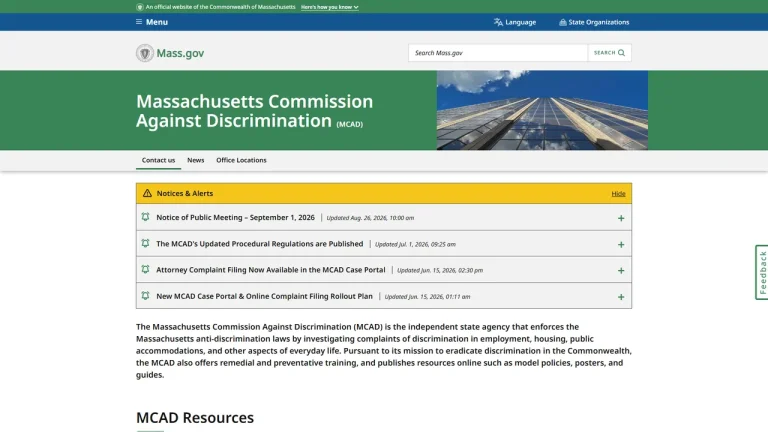
Massachusetts Commission Against Discrimination - Worcester, MA

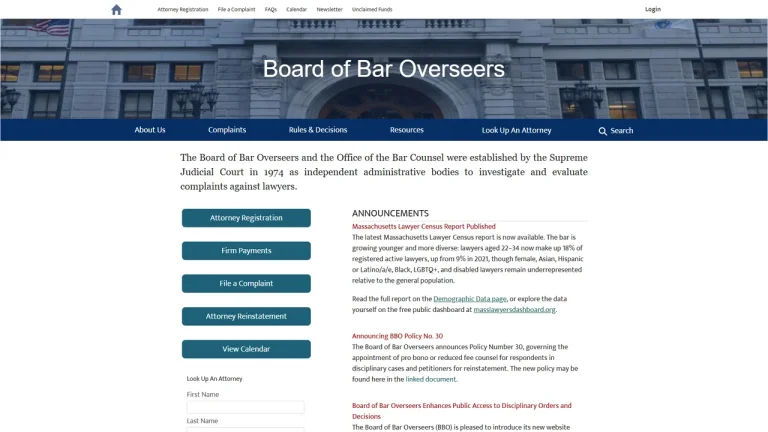
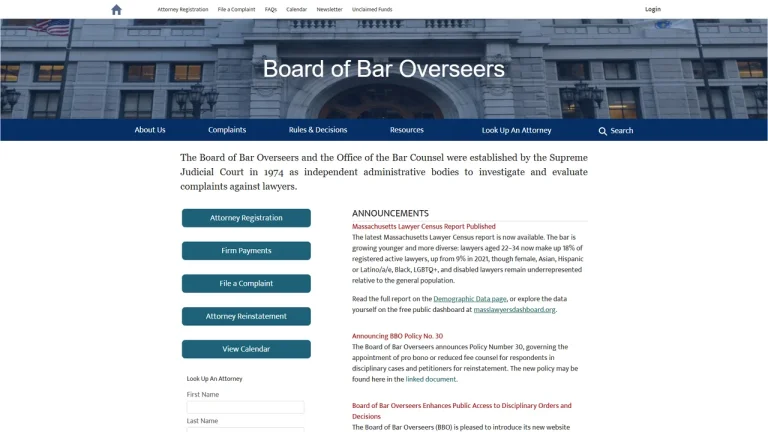
Board of Bar Overseers of the Supreme Judicial Court of Massachusetts - Boston, MA
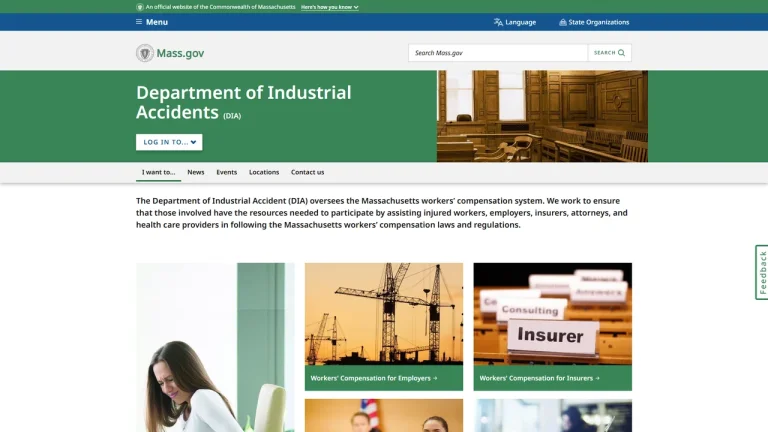
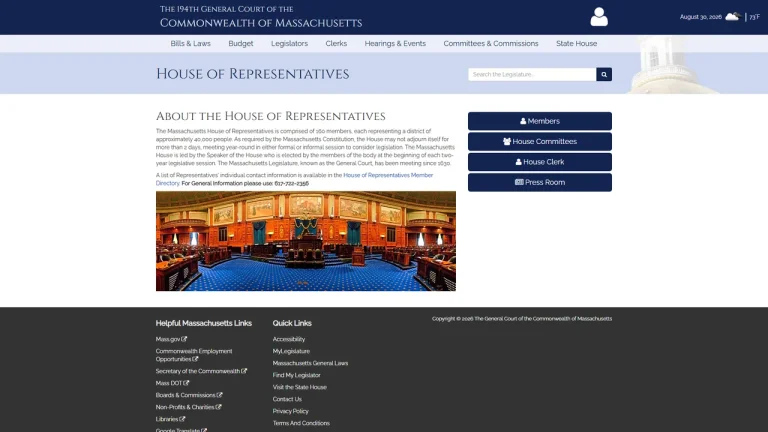
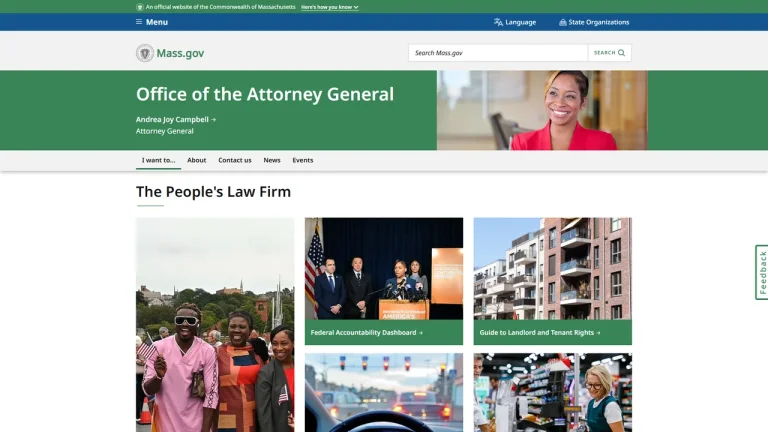

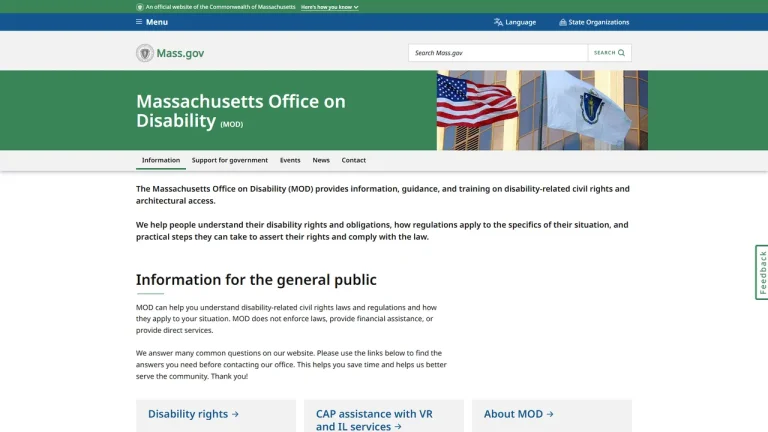
Regulatory Scope of Massachusetts State Agencies
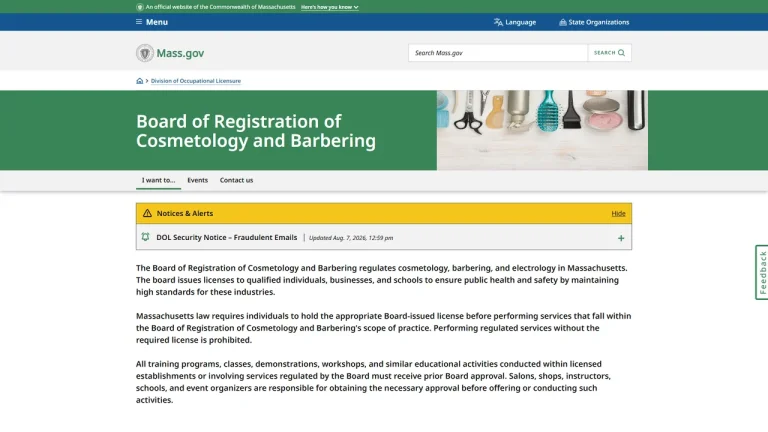
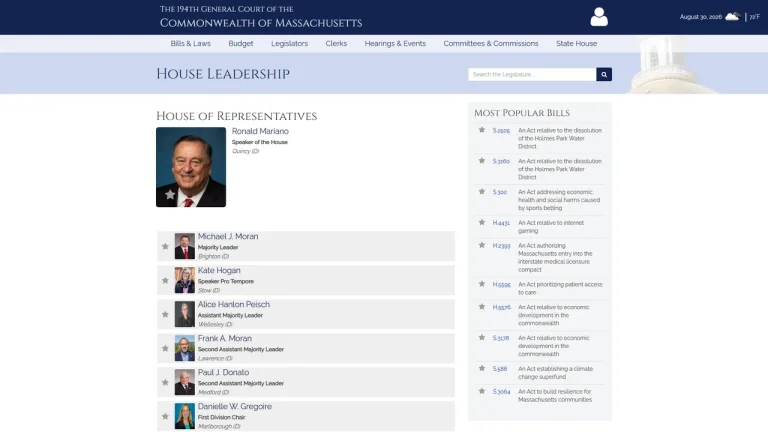
Executive and administrative governance across the Commonwealth of Massachusetts operates under secretariats, departments, and constitutional offices centered primarily on Beacon Hill and throughout Boston, with regional centers in Worcester, Springfield, New Bedford, and Lawrence. Primary regulatory authorities include the Massachusetts Department of Revenue (DOR), the Registry of Motor Vehicles (RMV) under the Massachusetts Department of Transportation (MassDOT), and the Executive Office of Public Safety and Security.
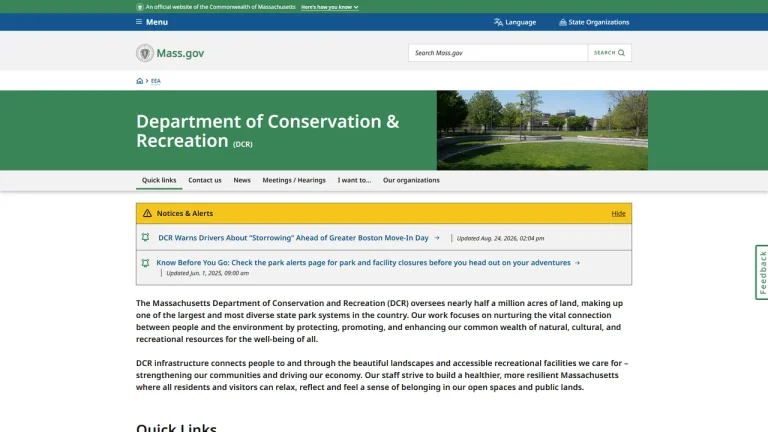
State agencies enforce the General Laws of Massachusetts, managing professional licensing, corporate governance, consumer protection, environmental oversight via the Massachusetts Department of Environmental Protection (MassDEP), and civil rights matters before the Massachusetts Commission Against Discrimination (MCAD). Correctional oversight and state-level custody operations fall under the jurisdiction of the Massachusetts Department of Correction (DOC).
Interacting with state departments requires compliance with uniform administrative codes. Members of the public, commercial enterprises, and legal representatives must navigate standardized agency determinations, formal adjudicatory hearings, and public records disclosures governed by Massachusetts statutes. Adhering to these administrative pathways ensures that rights are safeguarded during regulatory reviews.
Common State Agency Procedures & Statutory Fee Schedules
| Service / Matter | Required Documents / Prerequisites | Statutory Fee (USD) | Processing Timeline |
|---|---|---|---|
| Public Records Law Request | Written request describing identifiable records, contact information | $0 base; up to $25/hour search fee after statutory limits | 10 business days statutory response |
| RMV Suspension Appeal Hearing | Hearing application form, official suspension notice, driving record | $50 to $100 administrative hearing fee | 14 to 30 calendar days scheduling |
| MassDEP Adjudicatory Hearing Appeal | Notice of Claim, underlying department decision, aggrieved standing basis | $100 standard filing fee | 30 calendar days to file appeal |
| Certified State Vital Record Copy | Application form, government photo ID, proof of direct legal interest | $20 to $32 per certified document | 5 to 15 business days processing |
Critical Legal Deadlines & Statutes in Massachusetts
Administrative processes across Massachusetts operate under stringent statutory timelines. Access to government records is established under Mass. Gen. Laws ch. 66, § 10, requiring agency Records Access Officers to provide records or a written determination within 10 business days. For individuals pursuing administrative appeals of agency adjudications, Mass. Gen. Laws ch. 30A, § 14 establishes that judicial review must be commenced in Superior Court within 30 days of receiving the final agency determination.
When filing claims against the Commonwealth or its executive agencies for negligence, Mass. Gen. Laws ch. 258, § 4 mandates formal written presentment to the executive officer within 2 years of the cause of action, followed by a total filing limit governed by Mass. Gen. Laws ch. 260, § 2A. Civil rights or discrimination claims must be submitted to the MCAD pursuant to Mass. Gen. Laws ch. 151B, § 5 within 300 days of the alleged unlawful incident.
Direct Agency Filing vs. Legal Representation
Many routine transactions with Massachusetts state agencies can be resolved independently. Citizens regularly renew professional credentials through the Division of Occupational Licensure, purchase vital records from the Registry of Vital Records and Statistics, or register business entities with the Secretary of the Commonwealth without legal counsel. State self-service platforms provide clear instructions for standard documentation and submissions.
However, retaining an attorney licensed by the Board of Bar Overseers is essential whenever formal adversarial proceedings arise. Cases involving professional license revocations, formal tax assessments before the Appellate Tax Board, contested adjudicatory hearings handled by the Division of Administrative Law Appeals (DALA), or appeals of environmental enforcement orders require rigorous legal advocacy. Counsel ensures evidentiary compliance, cross-examines agency witnesses, and preserves grounds for judicial review before the Massachusetts Superior Court.
Red Flags & Administrative Pitfalls
- Third-Party Imposter Websites: Avoid independent commercial web platforms that imitate official Mass.gov portals to charge fees for standard forms, RMV appointment bookings, or corporate certificates of good standing.
- Defective Presentment Under Chapter 258: Mailing tort claims to the wrong state officer or submitting an informal letter instead of a compliant presentment document under statutory standards will result in claim dismissal.
- Premature Superior Court Appeals: Attempting to bypass internal administrative review channels before an agency issues a final decision under Chapter 30A forfeits the right to judicial relief.
- Ignoring DALA Scheduling Deadlines: Failing to adhere to procedural pre-hearing conferences or document exchange deadlines before administrative magistrates can result in immediate default orders.
Frequently Asked Questions
How do I submit an official public records request to a Massachusetts state agency?
Public records requests should be delivered in writing, via email or physical mail, to the designated Records Access Officer (RAO) of the specific department. Under state law, the agency must respond within 10 business days detailing whether the records are available, invoking any statutory exemptions, or providing a reasonable fee estimate.
What is the Division of Administrative Law Appeals (DALA)?
DALA is an independent Massachusetts agency that conducts formal adjudicatory hearings for various state bodies, including licensing boards, public retirement systems, and civil service authorities. Administrative magistrates at DALA hear testimony, evaluate evidence, and issue formal decisions or recommended findings.
How can I appeal a driver's license suspension by the Massachusetts RMV?
License suspensions must first be challenged through an administrative hearing before an RMV hearings officer. If the suspension is upheld, an appeal can be filed with the Board of Appeal on Motor Vehicle Liability Policies and Bonds, and subsequent adverse determinations can be appealed to the Massachusetts Superior Court.
Where can I verify the professional license of a Massachusetts service provider?
Professional licenses across trades, healthcare professions, and commercial services are verified online through the Massachusetts Division of Occupational Licensure (DOL) public verification database, which details credential status, expiration dates, and any public disciplinary history.
Can a corporate entity represent itself in Massachusetts administrative hearings?
While individuals may represent themselves pro se in state administrative hearings, corporations, limited liability companies, and formal business entities are generally required under Massachusetts law to be represented by an actively licensed attorney in formal adjudicatory matters.