
Government Agencies in Pennsylvania
Accessing Pennsylvania government agencies requires following established statutory procedures for administrative filings, public records, and professional licensing. Our directory connects you with official Commonwealth departments, regulatory commissions, and administrative boards in Harrisburg and regional hubs. Explore the verified listings below to locate direct contact details, agency guidelines, and service portals.
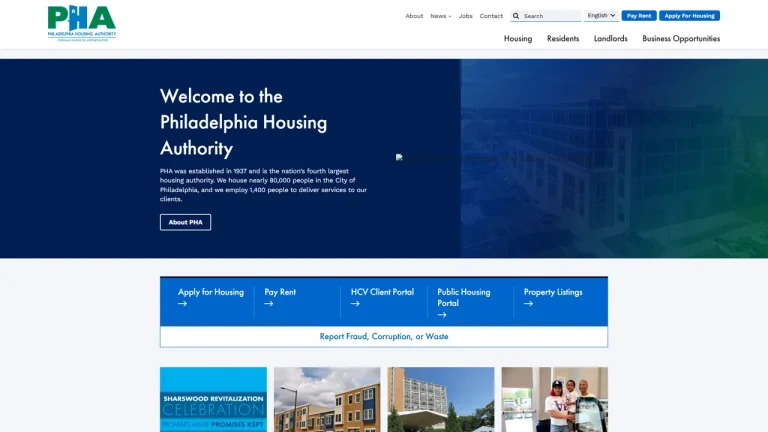
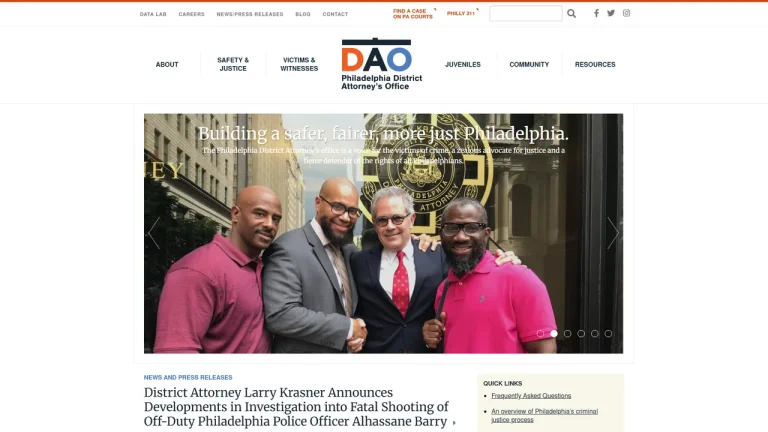
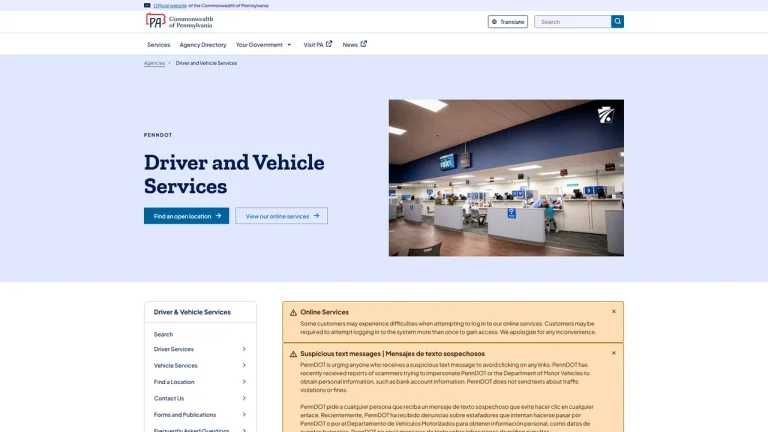
Pennsylvania Department of Transportation - Driver's License Center, Arch Street - Philadelphia, PA
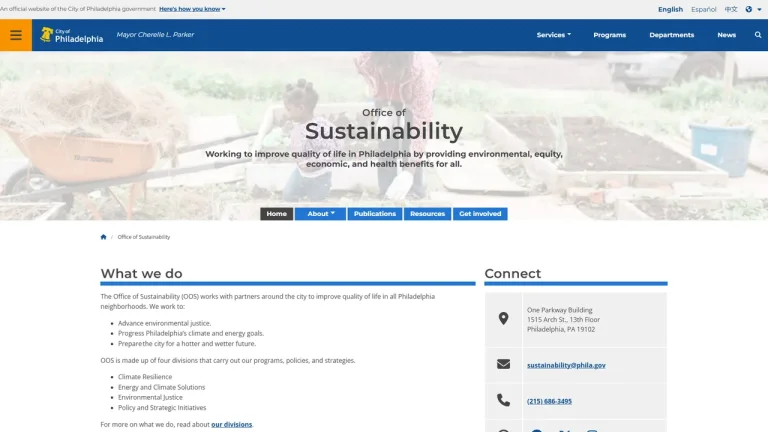
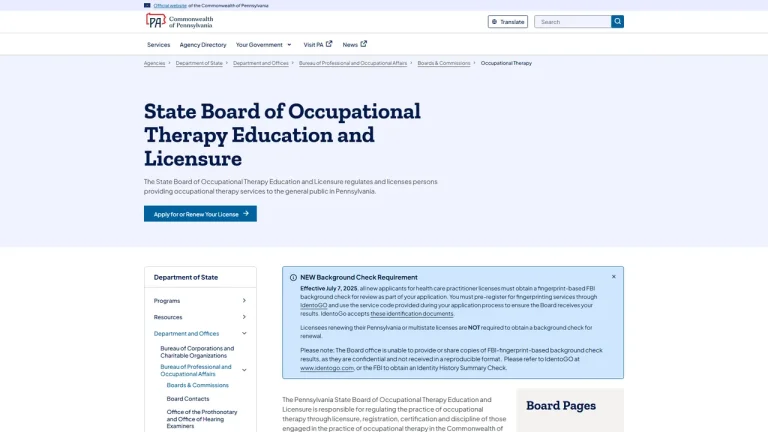
PA State Board of Occupational Therapy Education and Licensure - Harrisburg, PA
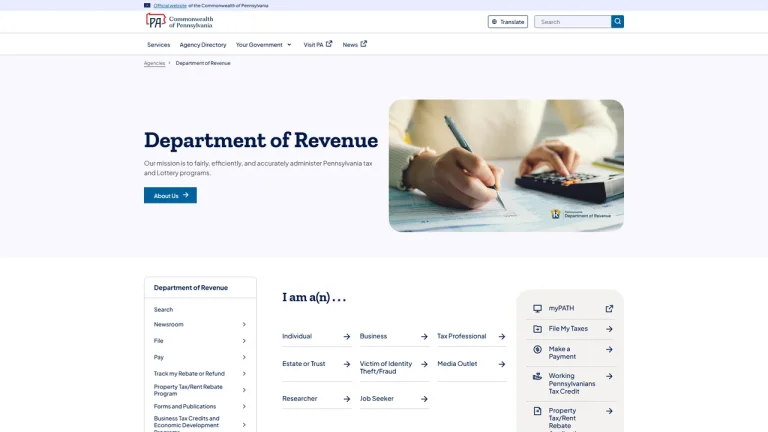
Pennsylvania Department of Revenue - Press Office - Harrisburg, PA
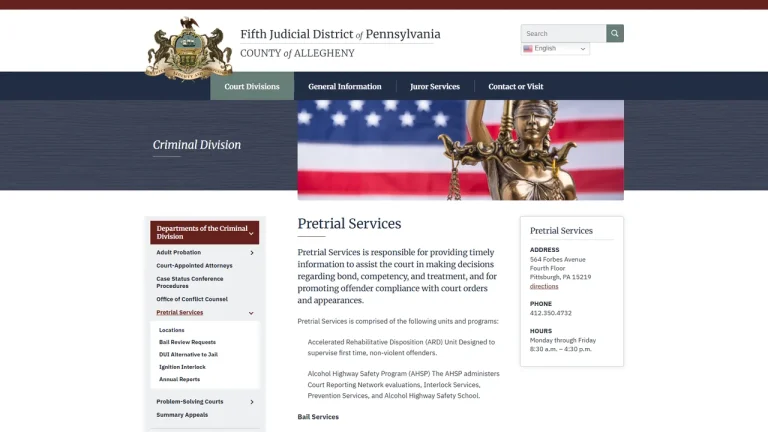

Department of Court Records - Liened Taxes Division - Pittsburgh, PA
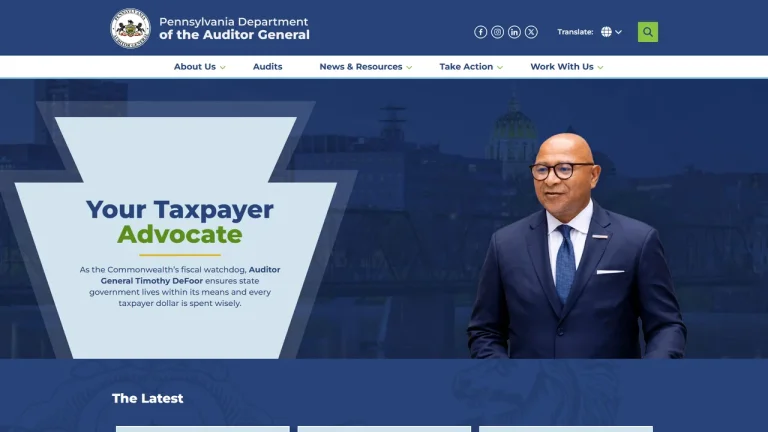
Pennsylvania Department of the Auditor General - Harrisburg, PA
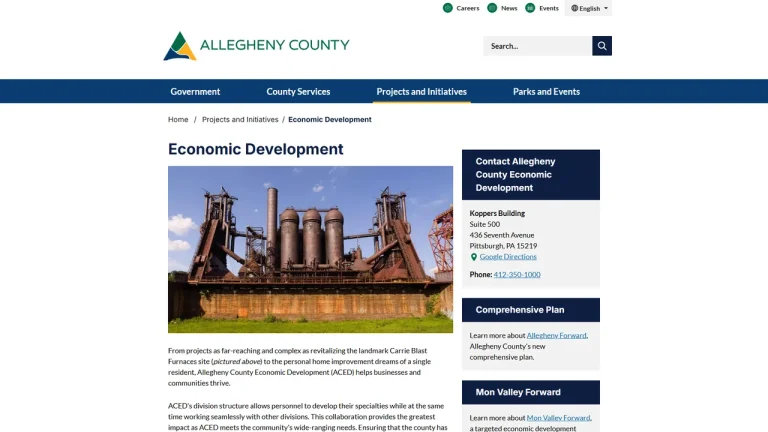
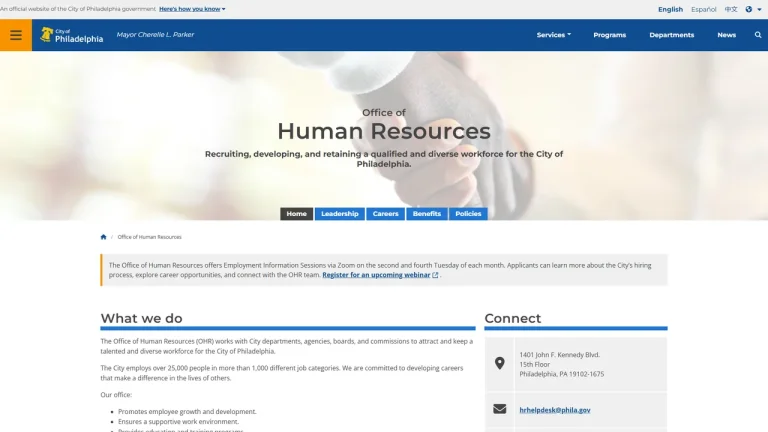
Philadelphia Personnel Department - Philadelphia, PA
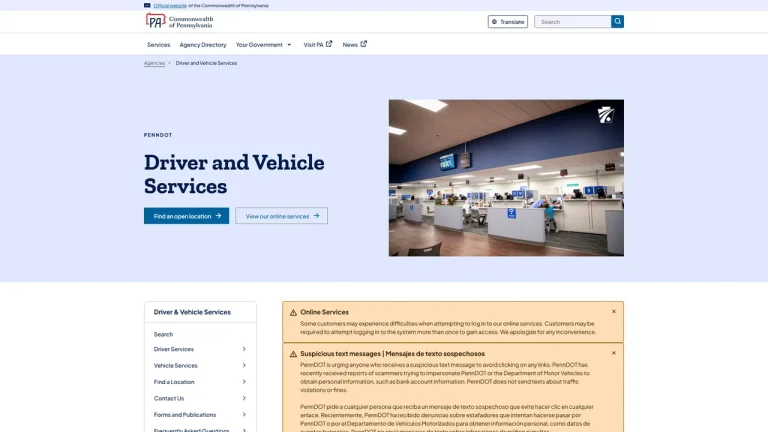
Pennsylvania Department of Transportation - Driver License Center, West Oak Lane - Philadelphia, PA
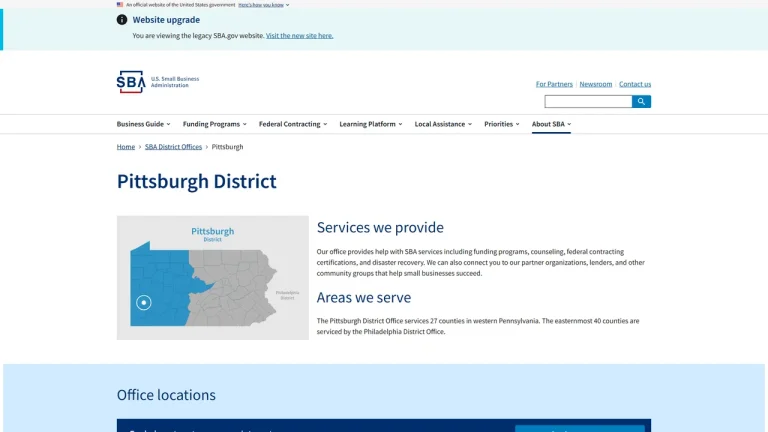
U.S. Small Business Administration - Pittsburgh District Office - Pittsburgh, PA
Allegheny County Department of Human Services (Headquarters) - Pittsburgh, PA

United States Citizenship and Immigration Services - Philadelphia, PA

The Executive Branch and Regulatory Agencies in Pennsylvania
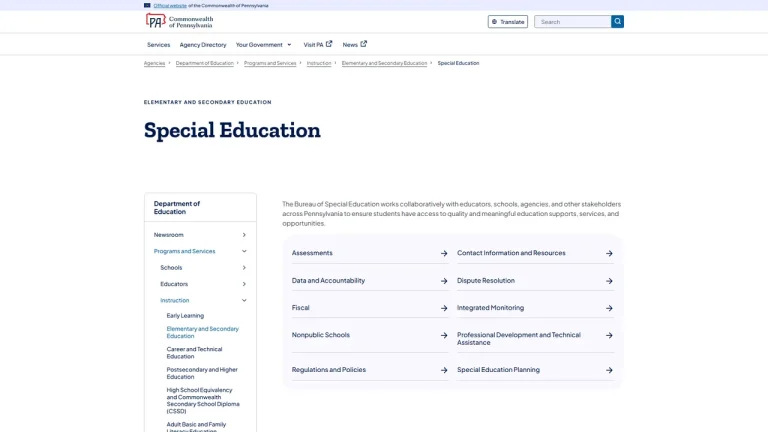
The executive branch of the Commonwealth of Pennsylvania is headed by the Governor of Pennsylvania, with administrative headquarters centralized within the Pennsylvania State Capitol Complex in Harrisburg. Commonwealth administrative agencies are empowered under the Commonwealth Documents Law and the Pennsylvania Code to enact regulations, issue professional credentials, collect state revenues, and enforce public health, environmental, and consumer protection mandates across all 67 counties.
Key regulatory departments oversee specific administrative sectors statewide. The Pennsylvania Department of State manages corporate entity formations, charitable registrations, and 29 professional licensing boards through the Bureau of Professional and Occupational Affairs (BPOA). The Pennsylvania Department of Transportation (PennDOT) regulates highway safety, driver licensing, and vehicle registrations. The Pennsylvania Department of Health maintains vital health statistics, while the Pennsylvania Office of Attorney General (OAG) enforces consumer protection and antitrust laws.
Interacting with state departments requires adhering to uniform administrative guidelines. Whether you are submitting an open records request to the Pennsylvania Office of Open Records, filing corporate annual reports, or responding to administrative disciplinary inquiries, utilizing certified agency directories guarantees direct communication with designated agency officers and compliance divisions.
Key Pennsylvania State Agency Services and Statutory Fees
| Service / Matter | Required Documents / Prerequisites | Statutory Fee (USD) | Processing Timeline |
|---|---|---|---|
| Professional License Application (BPOA / Department of State) | Educational transcripts, background clearance verification, PALS online application | $45 - $225 (set by specific licensing board) | 4 - 8 weeks standard board review |
| Pennsylvania Business Entity Filing (Articles / Certificate) | Completed Department of State business registration forms, docketing statement | $125 statutory entity formation fee | 1 - 3 business days via online portal |
| PennDOT Certified Driver History Record | Driver license number, date of birth, completed Form DL-503 or online request | $14 statutory fee ($48 for unredacted 10-year record) | Instant online access or 10 business days by mail |
| Right-to-Know Law (RTKL) Public Information Request | Standard Pennsylvania RTKL request form identifying specific agency records | Free inspection ($0.25 per copy page) | 5 business days mandatory statutory determination |
Critical Legal Deadlines & Statutes in Pennsylvania
Administrative interactions with Pennsylvania agencies are subject to statutory compliance deadlines. The Pennsylvania Right-to-Know Law, codified at 65 P.S. § 67.901, mandates that an agency open records officer respond to a formal public records request within 5 business days of receipt. If an extension is invoked under 65 P.S. § 67.902, the agency must provide formal notice detailing the statutory grounds and providing an anticipated response date within 30 calendar days.
When an agency denies a Right-to-Know request in whole or in part, strict appeal timelines apply. Under 65 P.S. § 67.1101, the requester has exactly 15 business days from the mailing date of the agency denial to file an appeal with the Pennsylvania Office of Open Records (OOR). Failing to file within 15 business days closes the administrative appeal window.
Final adjudications issued by Commonwealth agencies are subject to the Pennsylvania Administrative Agency Law under 2 Pa. C.S. § 702. Under 42 Pa. C.S. § 5571, an aggrieved party must file a petition for review in the Commonwealth Court of Pennsylvania within 30 days of the mailing date of the agency final determination. Furthermore, tort claims against Commonwealth entities require formal notice within 6 months under 42 Pa. C.S. § 5522 pursuant to the Sovereign Immunity provisions of 42 Pa. C.S. § 8522.
Direct Agency Interaction vs. Administrative Legal Counsel
Citizens and corporate representatives routinely interact with Pennsylvania state agencies without legal counsel. Routine procedures such as renewing professional licenses through the Pennsylvania Licensing System (PALS), submitting motor vehicle title documentation with PennDOT, registering trade names with the Department of State, or requesting public datasets through agency Right-to-Know officers are designed for straightforward public handling.
However, when administrative disputes escalate into formal enforcement proceedings, retaining an administrative law attorney becomes critical. If a state licensing board (such as the State Board of Nursing or State Board of Accountancy) files an order to show cause or initiates license revocation hearings, formal administrative hearing rules apply. Legal counsel manages evidentiary objections, presents mitigating testimony before administrative law judges, and creates a clean administrative record essential for appeal to the Commonwealth Court.
Red Flags & Public Resource Protections
- Deceptive Corporate Compliance Invoices: Be alert to private mailings that mimic official Pennsylvania Department of State correspondence, demanding high fees for annual corporate minutes or certificates of existence. Official notices originate exclusively from '.pa.gov' domains.
- Unaccredited Professional Licensing Expeditors: Avoid third-party services charging steep fees with claims of accelerating board reviews. All licensing applications must proceed directly through the Pennsylvania Licensing System (pals.pa.gov).
- Third-Party Right-to-Know Fee Resellers: Steer clear of commercial vendors charging fees to file public records requests. Any citizen can submit a Right-to-Know request directly to an agency Open Records Officer at no charge.
- Unauthorized Tax Resolution Consultants: Be cautious of unregulated entities promising to settle Pennsylvania Department of Revenue tax liens without licensed legal or CPA credentials recognized under Pennsylvania law.
Frequently Asked Questions
What is the role of the Pennsylvania Department of State?
The Pennsylvania Department of State oversees elections, regulates charitable organizations, administers corporate entity formations, and manages 29 professional and occupational licensing boards through the Bureau of Professional and Occupational Affairs (BPOA) from its headquarters in Harrisburg.
How do I submit a Right-to-Know request to a Pennsylvania state agency?
To request public records, complete the standard Right-to-Know Request Form provided by the Pennsylvania Office of Open Records (OOR) and submit it by email, mail, or in person to the designated Open Records Officer of the specific state department that holds the records.
What is the PALS portal used for in Pennsylvania?
The Pennsylvania Licensing System (PALS) at pals.pa.gov is the official state electronic portal for applying for, renewing, and verifying professional licenses administered by the Bureau of Professional and Occupational Affairs, covering professions such as nursing, real estate, cosmetology, and engineering.
How does sovereign immunity affect claims against Pennsylvania agencies?
Under Pennsylvania law, the Commonwealth possesses sovereign immunity against civil lawsuits, subject only to nine specific statutory exceptions under 42 Pa. C.S. § 8522, including vehicle liability, medical-professional liability, and dangerous conditions of Commonwealth real estate. Written notice must be served within six months of the injury.
Where do I appeal a final ruling from a Pennsylvania state agency?
Final administrative determinations issued by Commonwealth agencies are appealed by filing a petition for review with the Commonwealth Court of Pennsylvania within 30 days of the mailing date of the agency final decision.